The 18th Amendment to the United States Constitution prohibited the manufacture, sale, and transportation of intoxicating liquors nationwide, effective January 16, 1920. It was ratified by the states in 1919 and marked the beginning of the national prohibition era.
Enacted during a period of social reform and progressive activism, the amendment reflected widespread concern over alcohol-related crime, domestic violence, and public health issues. It was supported by religious groups, women's suffrage advocates, and temperance organizations who saw alcohol as a root cause of societal decay. The law did not ban personal consumption or private possession, but it outlawed commercial alcohol production and distribution.
Prohibition lasted 13 years. By 1933, it had failed to eliminate drinking, fueled organized crime, and caused massive enforcement challenges. The amendment was repealed by the 21st Amendment, which took effect in December 1933. This remains the only constitutional amendment ever repealed.
The amendment itself was brief: "After one year from the ratification of this article, the manufacture, sale, or transportation of intoxicating liquors within, the importation thereof into, or the exportation thereof from the United States and all territories subject to the jurisdiction thereof for beverage purposes is hereby prohibited."
It granted Congress authority to enforce the ban through legislation. The Volstead Act, passed in 1919, defined "intoxicating liquors" as those with more than 0.5% alcohol by volume and established penalties for violations. Federal agents, local police, and customs officials were tasked with enforcing the law.
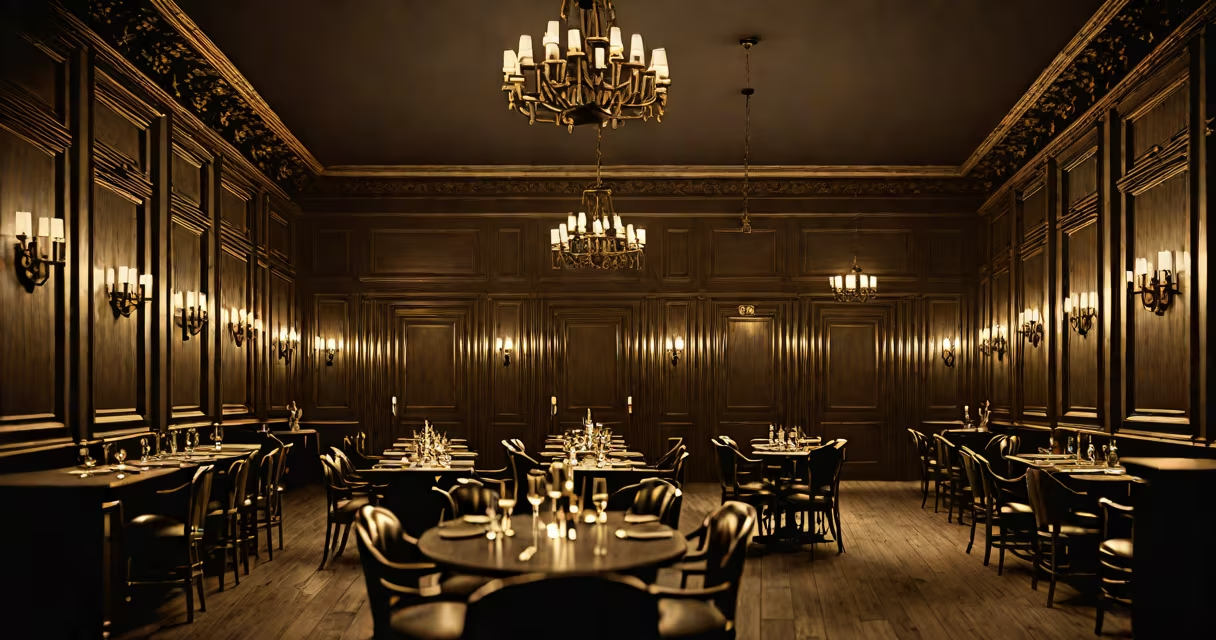
Despite strict laws, compliance collapsed under pressure. Bootlegging networks emerged, smuggling alcohol from Canada, the Caribbean, and Mexico. Speakeasies-illegal bars-flourished in cities like Chicago, New York, and San Francisco. By 1925, the FBI estimated that over 100,000 illegal stills operated in the U.S., producing millions of gallons of moonshine annually.
Prohibition relied on three enforcement layers: federal law, state cooperation, and local policing. The Bureau of Prohibition, created in 1927, coordinated efforts across 400 field offices. Agents conducted raids, seized shipments, and prosecuted offenders.
However, the system was overwhelmed. Corruption was rampant. In New York City, 10% of police officers were reported to accept bribes from bootleggers. In Chicago, Al Capone's gang controlled over 1,500 speakeasies and generated $60 million annually in illicit profits-equivalent to over $1 billion today.
| Enforcement Level | Primary Agency | Key Challenge |
|---|---|---|
| Federal | Bureau of Prohibition (1927-1933) | Limited resources, political interference |
| State | State police and liquor boards | Varied enforcement standards across states |
| Local | City police departments | High levels of corruption and bribery |
A non-obvious fact: Prohibition did not stop alcohol consumption-it shifted it. Studies from the National Bureau of Economic Research show that per capita alcohol consumption dropped by only 30% during Prohibition, and rates rebounded sharply after repeal. The law disproportionately affected poor communities, while wealthier individuals accessed alcohol through legal loopholes or private networks.
Many assume Prohibition eliminated drinking. It did not. The law banned production and distribution, but people continued consuming alcohol through underground channels. The idea that Americans stopped drinking altogether is a myth perpetuated by nostalgic narratives.
Another misconception is that Prohibition was universally supported. In reality, opposition grew rapidly. Urban centers, immigrant communities, and Southern states resisted enforcement. In 1928, presidential candidate Herbert Hoover campaigned against Prohibition, calling it "a failure." His election in 1928 signaled growing public fatigue.
Prohibition is often confused with the 21st Amendment, which ended it. The 18th Amendment created the ban; the 21st Amendment repealed it. The 21st Amendment also gave states the power to regulate alcohol independently-a shift that continues today. For example, current state laws on marijuana legalization draw parallels to the post-Prohibition model of state-level control.
During Prohibition, federal spending on enforcement rose from $1.5 million in 1920 to $18 million by 1930. Despite this, the government seized only 12% of known illegal shipments. The cost of enforcement exceeded the revenue from fines and asset seizures.
One fully worked example: In 1923, the U.S. Coast Guard intercepted the SS *Narrows*, a ship carrying 20,000 gallons of Canadian whiskey. The vessel was seized and later sold at auction. The cargo netted $250,000-enough to cover the cost of 100 Coast Guard cutters. This illustrates how enforcement became a financial drain while criminal enterprises profited.
I once visited the National Museum of American History in Washington, D.C., and stood in front of a display showing a 1920s-era bathtub gin still. The label read: "Made from plumbing parts, used in basement kitchens." That single artifact captured the ingenuity and desperation behind home brewing. It wasn't just about drinking-it was about survival, defiance, and adaptation.
Prohibition also reshaped American culture. Jazz clubs thrived in speakeasies. The term "bootleg" entered mainstream vocabulary. Gang wars over territory led to over 1,000 deaths in Chicago alone between 1920 and 1930. These outcomes were not predicted by reformers who believed moral behavior would follow legal restriction.
The 18th Amendment was part of a broader wave of constitutional reforms. It followed the 17th Amendment, which established direct election of senators, and preceded the 19th Amendment, granting women the right to vote. Together, they reflect a Progressive Era push for democratic expansion and social regulation.
Today, the legacy of the 18th Amendment lives in debates over drug policy, public health laws, and federal versus state authority. The failure of Prohibition is frequently cited in discussions about cannabis legalization. States like Colorado and California have modeled their cannabis frameworks on the post-Prohibition model of regulated commerce and state oversight.
The 18th Amendment to the Constitution stands as a cautionary tale: laws cannot force morality. When enforcement exceeds public support, resistance grows. The repeal of Prohibition through the 21st Amendment proved that democratic systems can correct course. The amendment's short life and dramatic fall show a core principle: lasting change requires both legal structure and cultural acceptance.