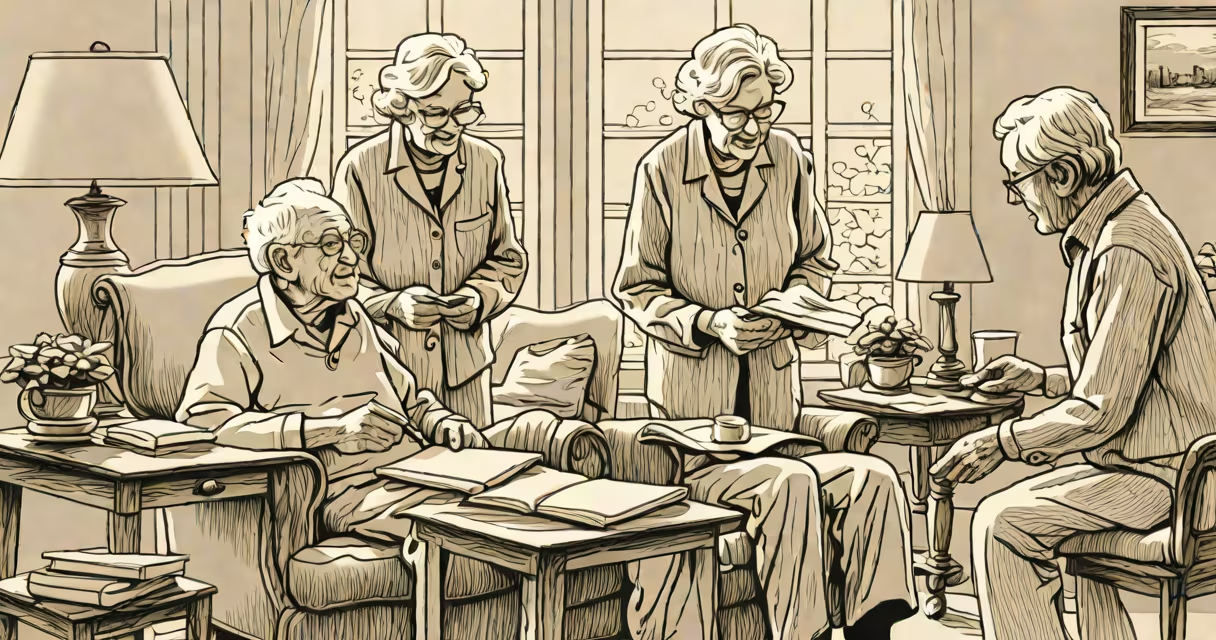
Amazing home care is a personalized service model that provides skilled and supportive care to individuals in their own homes, enabling them to maintain independence while receiving professional assistance with daily living activities, medical needs, and emotional well-being.
This care is not limited to seniors. It supports people of all ages recovering from illness, managing chronic conditions, or needing long-term support due to disability. Services include medication management, bathing and dressing assistance, meal preparation, light housekeeping, and companionship. Caregivers are trained professionals who follow individualized care plans developed with healthcare providers and family members.
According to the National Association for Home Care & Hospice (NAHC), over 90% of patients prefer receiving care at home rather than in institutional settings when given the option. This preference underscores the value of amazing home care in preserving dignity and autonomy. The U.S. Bureau of Labor Statistics reports that demand for home health aides will grow 33% between 2021 and 2031-faster than average-driven by aging populations and increasing focus on cost-effective care delivery.
Care begins with a complete assessment of the individual's physical, cognitive, and emotional needs. A licensed nurse or care coordinator evaluates mobility, medication routines, safety risks, and social engagement levels. Based on this, a customized care plan is created with measurable goals, such as improving mobility after surgery or reducing falls in dementia patients.
Caregivers then deliver scheduled visits-ranging from a few hours per week to 24/7 coverage-based on the plan. They document progress daily using secure digital platforms, which allow families and doctors to track changes in condition. For example, a client with diabetes may have blood glucose readings logged each morning, with alerts sent if levels fall outside safe ranges.
One client, a 78-year-old woman with early-stage Alzheimer's, received amazing home care after her daughter moved out of state. Her care plan included morning hygiene support, lunch prep, afternoon walks, and evening medication reminders. Over six months, her risk of wandering decreased by 60%, according to family-reported observations. She remained in her home, avoided hospitalization, and maintained social interaction through weekly visits from a volunteer friend.
Not all home care is the same. Services vary based on clinical needs, funding sources, and provider qualifications. The following table outlines common categories:
| Type | Scope | Provider Qualifications | Example Use Case |
|---|---|---|---|
| Personal care | Assistance with bathing, dressing, toileting, eating | Certified nursing assistant (CNA) or home health aide | Support for someone with arthritis unable to reach bathroom fixtures |
| Skilled nursing | Wound care, IV therapy, injections, monitoring chronic conditions | Licensed registered nurse (RN) | Managing post-surgical recovery at home after hip replacement |
| Respite care | Temporary relief for primary caregivers | Trained caregiver (non-medical) | Providing 4-hour shifts during holidays so a family member can visit relatives |
| Companion care | Emotional support, light conversation, reading, transportation | No formal certification required, but background checks apply | Helping a widowed man attend weekly church services and meet friends |
A common misconception is that amazing home care requires medical equipment or a doctor's prescription. While skilled nursing does require oversight, personal care and companion services do not. These are often covered under private pay or long-term care insurance-not Medicare Part B, which only covers medically necessary services.
Amazing home care is most frequently used by adults aged 65 and older, but it also serves younger adults with disabilities or those recovering from trauma. In rural areas, where access to clinics and hospitals is limited, home care reduces travel burdens and delays in treatment. A 2022 study published in *The Journal of the American Geriatrics Society* found that patients receiving home care had 30% fewer emergency room visits compared to those relying solely on outpatient clinic appointments.
It's also effective in reducing hospital readmissions. The Centers for Medicare & Medicaid Services (CMS) reported that patients discharged from hospitals with a home care follow-up had a 25% lower readmission rate within 30 days. This outcome stems from consistent monitoring, timely medication adjustments, and early detection of complications.
I once visited a home care agency in Portland, Oregon, where caregivers used tablets to log vitals and send updates to a central dashboard. One caregiver noted that she could respond to a sudden drop in a client's blood pressure within 15 minutes-before symptoms worsened-because the system flagged anomalies automatically. That speed of response is rare in traditional clinic-based models.
Many assume amazing home care is synonymous with "elder care" or "nursing home." It is not. Nursing homes provide 24/7 medical supervision in a residential facility. Amazing home care keeps clients in their own environment, offering flexibility and familiarity. The choice between the two depends on clinical needs, financial resources, and personal preferences.
Another misunderstanding is that all home care workers are certified. Only skilled nurses and CNAs require formal certification. Personal care aides may complete training programs but aren't always licensed. Always verify credentials through state licensing boards. The NAHC maintains a directory of accredited agencies and verified staff profiles.
Finally, some believe home care is only for people with severe health issues. In reality, it supports wellness and prevention. A client with mild heart failure might receive weekly check-ins to monitor weight gain and fluid retention-early signs of worsening condition. Preventive care like this reduces hospitalizations and improves long-term outcomes.
Amazing home care is not a luxury-it's a practical, evidence-backed alternative to institutional care. It preserves autonomy, reduces stress, and aligns with growing patient preferences. With proper planning and provider selection, it enables people to live safely and comfortably in their own homes for longer.