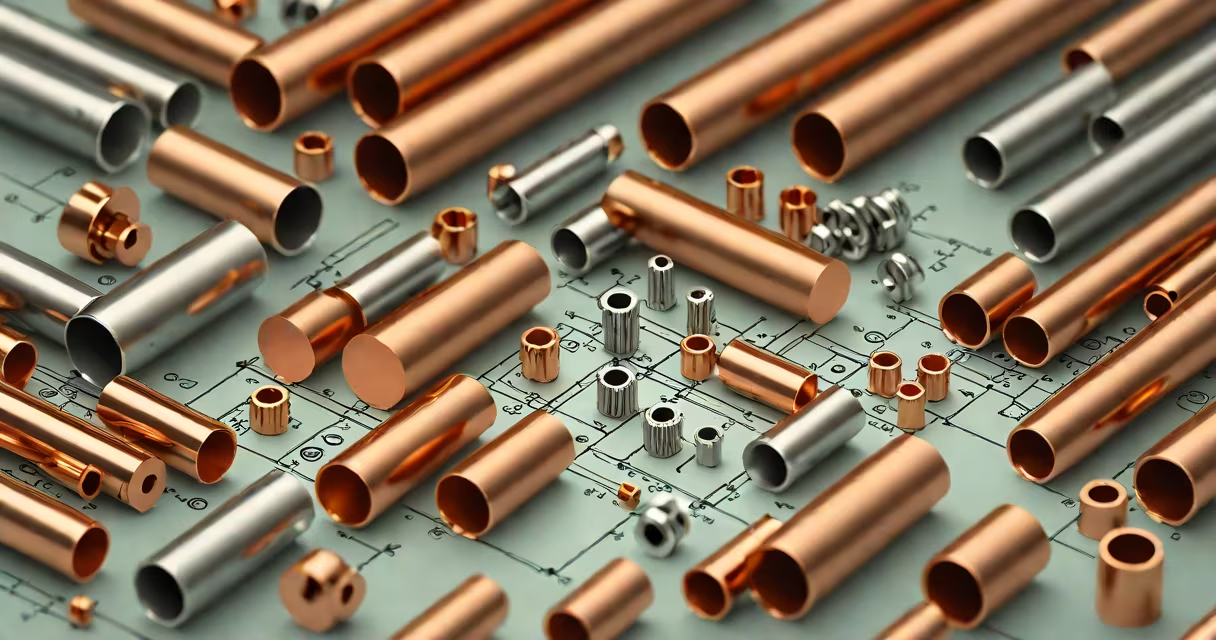
Non noble metals are base metals that readily oxidize and corrode when exposed to air or moisture, unlike noble metals which resist degradation. They include iron, steel, aluminum, copper, and zinc-common materials in construction, electronics, and everyday objects.
These metals lack the chemical stability of noble metals such as gold, platinum, and silver. Their tendency to react with oxygen leads to rust or tarnish, reducing durability and performance in outdoor or high-moisture environments. This reactivity makes them unsuitable for long-term exposure without protective coatings.
Non noble metals form the core of industrial manufacturing due to low cost and high availability. Despite their vulnerability to corrosion, they remain essential in infrastructure, vehicles, and consumer goods. Protection methods like galvanization or electroplating extend their lifespan in practical applications.
When exposed to oxygen and water, non noble metals undergo oxidation reactions. Iron, for example, forms hydrated iron(III) oxide-commonly known as rust-through a redox process involving electron transfer. This reaction weakens structural integrity and compromises functionality over time.
The rate of corrosion depends on environmental conditions. Humidity accelerates oxidation; saltwater increases it further. In urban areas, pollutants like sulfur dioxide speed up degradation. These factors limit the usability of non noble metals in harsh climates without intervention.
Electrochemical protection methods such as cathodic protection or sacrificial anodes slow corrosion. Zinc-coated steel (galvanized steel) uses zinc's higher reactivity to shield iron from oxidation. Even though zinc itself corrodes, it preserves the underlying metal-an effective trade-off in marine structures and pipelines.
Non noble metals fall into categories based on reactivity and application. The following table outlines major types, their properties, and typical uses:
| Type | Examples | Reactivity Level | Common Uses |
|---|---|---|---|
| Iron-based | Steel, cast iron | High | Buildings, bridges, tools |
| Copper-based | Copper, brass, bronze | Moderate | Wiring, plumbing, coins |
| Aluminum-based | Aluminum, alloys | Moderate to high | Aircraft, packaging, window frames |
| Zinc-based | Zinc, galvanized steel | High | Corrosion-resistant coatings, batteries |
Each metal has unique advantages. Copper conducts electricity better than most non noble metals, making it ideal for wiring. Aluminum is lightweight and abundant, favored in aerospace and packaging. Zinc's ability to sacrifice itself in galvanization protects steel structures in coastal regions.
Despite their widespread use, none of these metals maintain long-term integrity without treatment. A car frame made of untreated steel can develop rust within five years in humid climates. Galvanizing extends that lifespan to over 20 years under similar conditions.
Non noble metals dominate industries where cost efficiency outweighs longevity concerns. Steel drives global construction-over 1.8 billion tons were produced worldwide in 2023, according to the World Steel Association. Its strength-to-cost ratio makes it indispensable in buildings, rail systems, and machinery.
In electronics, copper's conductivity supports signal transmission. A single smartphone contains about 15 grams of copper in circuits and connectors. Without copper, modern devices would require larger power supplies or fail under load.
Aluminum's low density enables fuel-efficient transport. Aircraft manufacturers use aluminum alloys for fuselages because they reduce weight while maintaining structural resilience. Boeing 737s use over 60,000 pounds of aluminum in their airframes.
These materials are also central to recycling efforts. Over 75% of all aluminum ever produced remains in use today, thanks to efficient recovery processes. Recycling non noble metals reduces energy consumption by up to 95% compared to primary production.
Many assume all non noble metals are "weak" or "inferior." That's incorrect. While they corrode faster than noble metals, their mechanical strength and electrical properties often surpass those of gold or platinum in specific contexts.
For example, copper wire outperforms gold wire in power transmission despite being less expensive. Gold is more conductive per unit volume, but copper offers better value per meter due to lower material cost and sufficient performance in most applications.
Another misunderstanding is equating non noble metals with poor quality. Stainless steel-a type of iron-based alloy-is widely used in medical instruments and kitchenware. Its chromium content improves resistance to oxidation, making it durable and safe for food contact. The term "non noble" refers to elemental composition, not product reliability.
A key distinction: non noble metals are not inherently bad-they're context-dependent. Using galvanized steel in a garden fence is appropriate. Using untreated iron in a swimming pool structure would fail quickly. Material choice depends on environment, function, and expected lifespan.
Consider a highway bridge in Florida. The structure uses galvanized steel beams. The base metal is carbon steel-highly reactive in salty, humid air. Without protection, it would corrode within a decade.
To prevent this, each beam is coated with a layer of zinc via hot-dip galvanization. The zinc acts as a physical barrier and sacrificial anode. When moisture breaches the coating, zinc oxidizes instead of iron, preserving the steel core.
Testing shows galvanized steel lasts 50+ years in coastal zones-far beyond untreated steel. The U.S. Department of Transportation reports that galvanized components in bridges reduce maintenance costs by 40% over 25 years. This demonstrates how treating non noble metals enhances performance and safety.
Even then, failure occurs if installation is improper. A 2018 inspection of a bridge in Miami revealed premature corrosion due to poor seam sealing. Moisture entered gaps between panels, accelerating zinc depletion. This highlights that material selection alone doesn't ensure success-design and execution matter equally.
Non noble metals are not flawed-they are functional. Their reactivity defines their role in engineering and design. Understanding their behavior prevents misuse and guides proper protection strategies.
Recognizing the difference between non noble and noble metals avoids costly errors in design and procurement. With correct handling, non noble metals deliver reliable performance across countless applications.