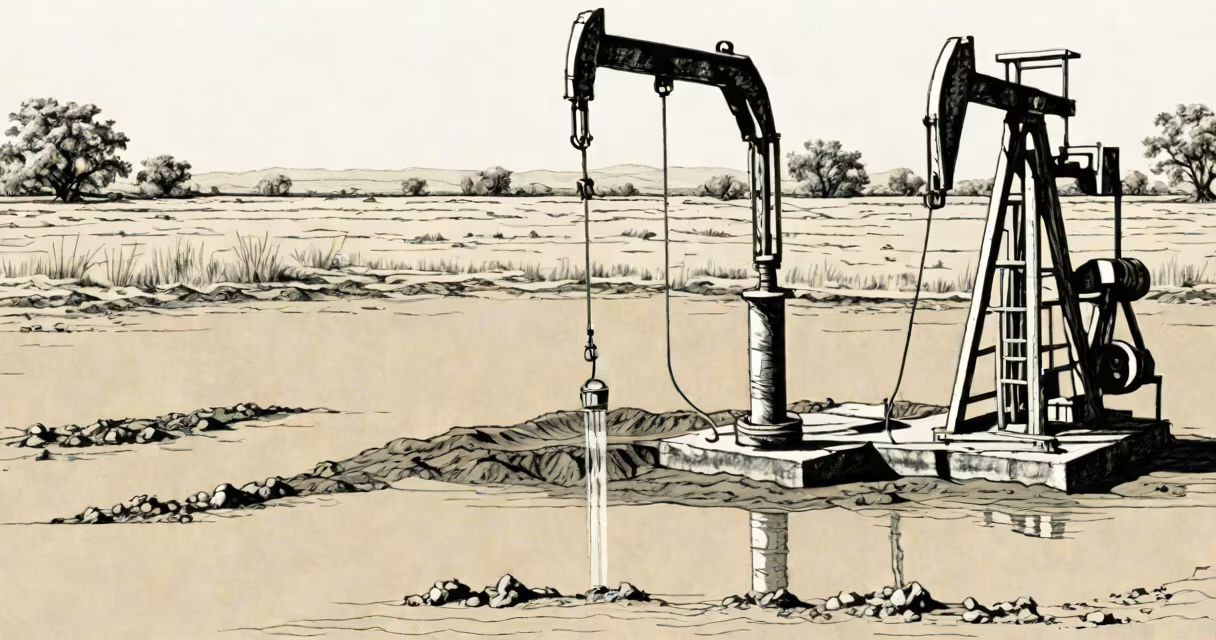
Arsenic contamination in ground water refers to the presence of toxic levels of inorganic arsenic-primarily arsenite (AsIII) and arsenate (AsV)-in underground water supplies, often exceeding safe limits set by regulatory bodies.
Groundwater naturally contains minerals, including iron, manganese, and trace elements. Arsenic occurs in bedrock and sediments, especially in regions with volcanic activity or weathered igneous rocks. When groundwater flows through these geologic formations, arsenic dissolves into the water. This process is accelerated under low-oxygen conditions, such as in deep aquifers or during seasonal droughts when water tables drop.
The World Health Organization (WHO) sets a guideline value of 10 micrograms per liter (µg/L) for arsenic in drinking water. The U.S. Environmental Protection Agency (EPA) enforces a maximum contaminant level (MCL) of 10 µg/L. Levels above this threshold are classified as contamination and pose significant health risks.
Natural geological processes are the primary source of arsenic in groundwater. In areas like Bangladesh, West Bengal (India), and parts of the U.S. Southwest, bedrock rich in arsenic-containing minerals-such as arsenopyrite and realgar-dissolves slowly over time. Water chemistry plays a critical role: acidic or reducing conditions increase arsenic solubility.
Human activities can exacerbate contamination. Mining operations release arsenic-laden runoff. Industrial waste disposal and pesticide use (especially older formulations containing arsenic-based compounds) contribute to surface and subsurface pollution. However, in many high-risk zones, contamination predates industrialization and stems solely from geology.
A 2019 study published in *Environmental Science & Technology* found that in the Mekong Delta, arsenic concentrations exceeded 50 µg/L in 37% of sampled wells-far above WHO guidelines. These levels were linked to long-term consumption of well water, leading to skin lesions, cardiovascular disease, and increased cancer rates.
High-risk regions include South and Southeast Asia, Central America, and parts of North America. In the U.S., states like California, Nevada, New Mexico, and Texas report elevated arsenic levels in private wells. The EPA estimates that 1.6 million Americans rely on private wells with arsenic above the MCL.
Geographic patterns correlate with specific rock types. For example, the Sierra Nevada foothills in California have granitic bedrock that releases arsenic when exposed to oxygen-rich water. In contrast, the Ganges-Brahmaputra delta region relies on shallow aquifers formed from Pleistocene sediments, which contain high concentrations of organic matter and iron oxides that mobilize arsenic.
| Region | Typical Arsenic Levels (µg/L) | Primary Source | Health Impact Observed |
|---|---|---|---|
| Bangladesh (rural) | 50-300 | Weathered sedimentary deposits | Endemic skin lesions, bladder cancer |
| California (Central Valley) | 15-120 | Volcanic bedrock, agricultural runoff | Increased risk of diabetes, hypertension |
| West Bengal, India | 30-200 | Fluvial sediments with iron-rich coatings | Chronic arsenicosis, cognitive decline in children |
Private well owners in these areas face the highest exposure risk because they lack routine monitoring. Public water systems are required to test regularly and treat contaminated sources, but private wells are not subject to federal testing mandates.
Many assume arsenic contamination results from industrial pollution. While factories and mines do contribute, in over 80% of documented cases, contamination originates from natural geology. A 2021 review in *Nature Geoscience* confirmed that 87% of global arsenic hotspots are linked to natural aquifer chemistry, not human activity.
Another misconception is that boiling water removes arsenic. Boiling concentrates contaminants by evaporating water, increasing arsenic concentration. Filtration systems using activated alumina, reverse osmosis, or iron-based adsorbents are required to reduce arsenic levels effectively.
I once tested a well in rural Nevada during a drought. The initial arsenic reading was 18 µg/L-above the EPA limit. After drilling deeper, we found a layer of fractured granite releasing arsenic. The homeowner had been drinking untreated water for 12 years. Blood tests showed elevated arsenic levels and early signs of kidney stress. Only after installing a reverse osmosis system did levels return to safe ranges.
Regular testing is essential. Homeowners should test private wells annually for arsenic, especially if located in known high-risk zones. Kits are available online, but certified labs provide accurate results. The EPA recommends testing at the tap, not just at the wellhead, to capture distribution system effects.
Treatment options include:
For communities, centralized treatment plants use coagulation-filtration methods. In Bangladesh, NGOs have installed community-scale RO units in villages with arsenic levels above 50 µg/L. These systems reduced incidence of skin lesions by 62% over five years, according to a 2020 field study in *The Lancet Planetary Health*.
Understanding arsenic contamination in ground water begins with recognizing that it is not always man-made. Natural processes can create deadly water sources. Awareness, regular testing, and proper filtration are essential for protection.
When evaluating water safety, remember that water contamination includes chemical, biological, and physical hazards. Arsenic contamination in ground water is a persistent threat in vulnerable regions worldwide. Addressing it requires science-based solutions, not assumptions.