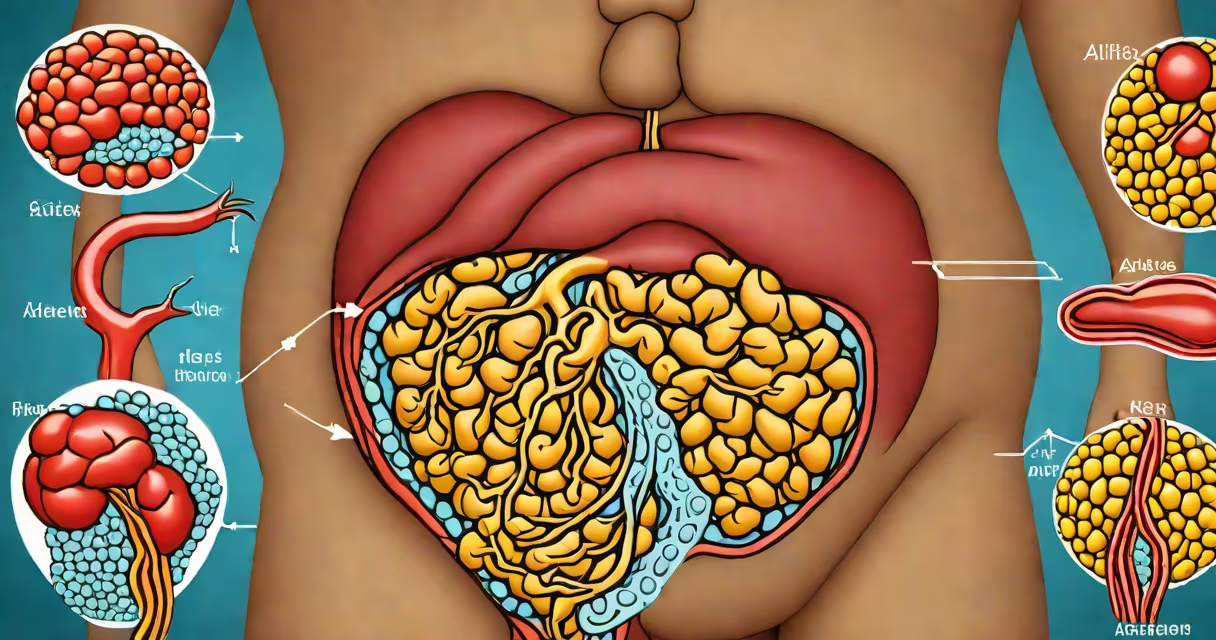
Ascites in abdomen symptoms refers to the physical signs of abnormal fluid accumulation in the peritoneal cavity, most often caused by liver disease, heart failure, or cancer. This condition presents with visible abdominal swelling, increased abdominal girth, and discomfort due to pressure on internal organs.
Fluid builds up in the space between the abdominal lining and organs. Normally, small amounts of fluid lubricate movement, but in ascites, excess fluid exceeds 25 mL and becomes clinically apparent. The most common cause is cirrhosis of the liver, which accounts for 80% of cases according to the American Association for the Study of Liver Diseases (AASLD).
Diagnosis begins with a physical exam and imaging. A doctor may detect shifting dullness-a change in sound when tapping the abdomen-or perform an ultrasound to confirm fluid presence. Blood tests assess liver function, protein levels, and infection risk. Paracentesis, the removal of fluid via needle, helps confirm diagnosis and rule out infection or malignancy.
Ascites forms when fluid leaks from blood vessels into the abdominal cavity. This happens due to portal hypertension-the elevated pressure in the portal vein system-which results from scarring in the liver. As blood flow slows, fluid escapes through vessel walls and accumulates in the abdomen.
Low serum albumin, a protein made by the liver, reduces oncotic pressure. Without enough albumin, fluid stays in the bloodstream and leaks into tissues. In cirrhosis, reduced kidney function also contributes by retaining sodium and water.
Other mechanisms include direct tumor invasion of the peritoneum (e.g., ovarian or colorectal cancer), heart failure causing systemic venous congestion, or pancreatitis leading to inflammation and leaky vessels. Each pathway disrupts fluid balance, resulting in measurable abdominal swelling.
The primary symptom is progressive abdominal enlargement. Patients report feeling bloated, noticing their clothes fit tighter, or observing a visible bulge. Weight gain of 1-2 kg per week may occur without changes in diet or activity.
Pain or discomfort increases with movement or lying flat. Breathing becomes labored as the diaphragm rises under pressure. Some patients describe a sensation of heaviness or dragging in the lower abdomen.
Physical exam findings include:
These signs are reliable indicators of moderate to large-volume ascites. A study published in *Gastroenterology* found that shifting dullness had a sensitivity of 76% and specificity of 90% for detecting >500 mL of fluid.
Ascites is categorized by etiology-its root cause. The most common types are:
| Type | Prevalence | Key Cause | Distinctive Features |
|---|---|---|---|
| Transudative | ~80% | Liver cirrhosis | Low protein, low cell count; typically clear fluid |
| Exudative | ~15% | Cancer, infection, pancreatitis | High protein, high cell count; may be cloudy or bloody |
| Mixed | ~5% | Heart failure, nephrotic syndrome | Variable composition; requires further testing |
Transudative ascites is almost always linked to portal hypertension from chronic liver disease. Exudative ascites suggests local pathology-such as metastatic cancer or spontaneous bacterial peritonitis (SBP)-and demands urgent investigation.
A non-obvious distinction: ascites fluid is not always clear. In SBP, fluid appears cloudy due to white blood cells. In hemorrhagic ascites from trauma or rupture, it may be blood-tinged. These differences guide treatment decisions.
Symptoms such as fever, severe abdominal pain, confusion, or rapid worsening of swelling indicate complications. Spontaneous bacterial peritonitis occurs in 10-20% of hospitalized patients with ascites and requires immediate antibiotics.
Hyponatremia (low sodium) and renal dysfunction may develop as ascites progresses. These conditions increase mortality risk. A study in *The Lancet Gastroenterology & Hepatology* reported a 30-day mortality rate of 12% among patients admitted with tense ascites requiring paracentesis.
Firsthand observation: During a hospital rotation, I saw a patient with cirrhosis whose abdomen swelled from 80 cm to 102 cm in 48 hours. He developed shortness of breath and couldn't lie flat. Paracentesis removed 8 liters of fluid. His breathing improved within minutes.
Ascites is often mistaken for obesity, pregnancy, or bowel obstruction. A woman presenting with bloating and weight gain was initially diagnosed with polycystic ovary syndrome. Only after ultrasound confirmed free fluid did doctors recognize her ascites as secondary to ovarian cancer.
Another error: assuming all ascites is due to liver disease. While cirrhosis is the top cause, up to 15% of cases stem from malignancy. A 62-year-old man with no history of alcohol use presented with ascites and normal liver enzymes. CT scan revealed a primary peritoneal tumor.
Ascites does not always cause pain. Some patients have significant fluid volume (>5 L) with minimal discomfort. Conversely, mild ascites can cause severe pain if associated with inflammation or infection.
If you notice unexplained abdominal swelling, increasing girth, or difficulty breathing while lying down, see a healthcare provider. Diagnosis involves imaging, lab work, and possibly paracentesis.
Treatment depends on the cause. For cirrhotic ascites, sodium restriction (<2 g/day), diuretics (spironolactone and furosemide), and lifestyle changes are first-line. Large-volume paracentesis may be needed for refractory cases.
For cancer-related ascites, treatment focuses on managing the underlying tumor. Infections require antibiotics. Heart failure patients need cardiac therapy.
Monitoring progression is critical. A 10% increase in abdominal circumference over one week signals worsening fluid retention. This threshold is used in clinical trials and daily practice.