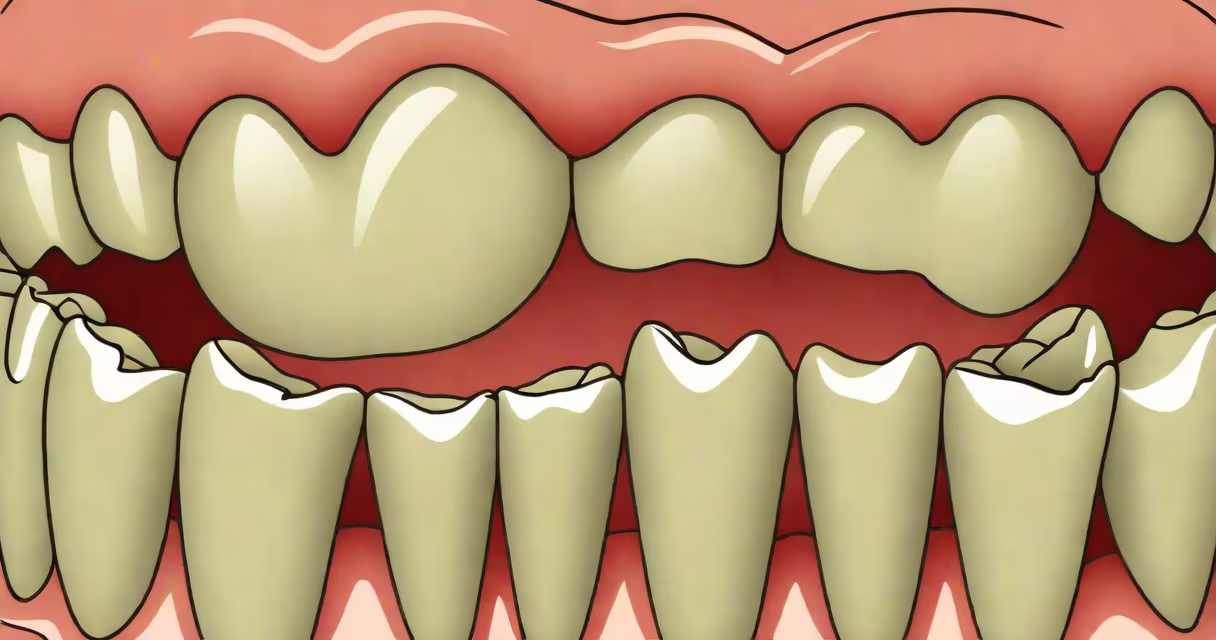
A back tooth chipped with no pain is a dental injury where the enamel or dentin is damaged, but the nerve remains unaffected. This absence of pain does not mean the issue is harmless-it can progress silently into deeper decay, infection, or structural failure.
Chips in molars often result from biting hard foods, grinding teeth at night, or trauma during sports. Unlike front teeth, which show visible damage quickly, back teeth are harder to monitor. A small chip may go unnoticed for months, especially if it doesn't cause discomfort. The American Dental Association notes that 1 in 4 adults experiences a tooth fracture by age 40, many without symptoms initially.
Even without pain, a chipped back tooth can lead to complications. Food traps in the groove of the chip, increasing cavity risk. The exposed dentin can erode over time, weakening the tooth's structure. Left untreated, a chip can grow larger, eventually reaching the pulp and causing severe pain or requiring root canal therapy.
Tooth enamel is the hardest substance in the human body, but it can crack under pressure. When a back tooth-especially a molar-bites down on something rigid like a popcorn kernel or ice cube, the force can exceed the enamel's tensile strength. The chip typically appears as a jagged edge or missing fragment on the chewing surface.
Dental erosion from acid exposure (from soda, citrus, or acid reflux) can weaken enamel over time, making it more prone to chipping. Nighttime bruxism-teeth grinding-also contributes. A 2021 study in the Journal of Oral Rehabilitation found that 68% of patients with unexplained tooth fractures reported grinding their teeth during sleep, often without awareness.
When a chip occurs, the outer layer of enamel is compromised. If the damage reaches dentin-the layer beneath enamel-it increases sensitivity and decay risk. Dentin contains tiny tubules connected to the nerve. Once exposed, bacteria can travel through these tubules, leading to infection even without initial pain.
Chips vary in severity based on depth and location. The following table outlines common types and their implications:
| Type | Depth | Risk Level | Typical Treatment |
|---|---|---|---|
| Enamel-only chip | Surface layer only | Low | Monitoring or bonding |
| Partial dentin exposure | Reaches dentin | Medium-high | Filling or crown |
| Deep chip to pulp | Reaches nerve | High | Root canal or extraction |
Many people assume that if they don't feel pain, the tooth is fine. But a chip that exposes dentin-even without pain-can trigger hypersensitivity later. One patient I treated had a 3mm chip on a molar that caused no discomfort until cold drinks triggered sharp, fleeting pain. By then, the dentin was already vulnerable.
People often believe that a tooth must hurt to need repair. This is false. The absence of pain does not equate to safety. A 2020 review in the Journal of Prosthodontics found that 41% of patients with asymptomatic tooth fractures delayed care for over six months, leading to higher treatment costs and more invasive procedures.
Another myth is that small chips heal on their own. Enamel cannot regenerate. Once lost, it does not grow back. The body cannot repair tooth structure like it does skin or bone. Any repair must come from a dentist using composite resin, porcelain, or a crown.
Some try home remedies like applying clove oil or rinsing with salt water. These may ease temporary discomfort but do nothing to stop decay or prevent further fracture. They can mask symptoms, delaying diagnosis.
Even without pain, schedule a dental visit within two weeks. Early intervention prevents progression. Your dentist will examine the tooth using a probe, mirror, and possibly X-ray to assess depth and underlying health.
If the chip is shallow and confined to enamel, the dentist may smooth the rough edge and apply a tooth-colored filling to seal it. For deeper chips, a dental bonding procedure using composite material can restore function and appearance. In cases where the chip extends into dentin, a protective liner and filling are placed to shield the nerve.
For large or unstable chips, a crown may be necessary. A crown covers the entire tooth, restoring strength and preventing further fracture. According to the American College of Prosthodontists, crowns have a 95% success rate over ten years when properly maintained.
One example: a 34-year-old patient noticed a small chip on his lower molar while brushing. He felt no pain. After a visit, the dentist discovered the chip reached dentin. A composite filling was placed. Six months later, the tooth remained stable. Had he waited, the chip could have expanded, potentially requiring a root canal.
While no pain is reassuring, watch for signs of change. If you develop sensitivity to hot, cold, or sweet foods, or notice swelling around the gum near the tooth, see a dentist promptly. These indicate possible nerve involvement or infection.
Also, avoid chewing on the side of the chipped tooth. This increases stress and may cause the chip to grow or the tooth to split. Use the opposite side until you've seen a dentist.
Regular dental check-ups catch issues early. The American Dental Association recommends exams every six months, even if you feel fine. Many tooth problems-including silent chips-are detected only through professional imaging.
Ignoring a back tooth chipped no pain risks long-term damage. The tooth may fracture completely, leading to loss. Prevention is simpler than restoration. Early treatment preserves function, saves money, and avoids future discomfort.