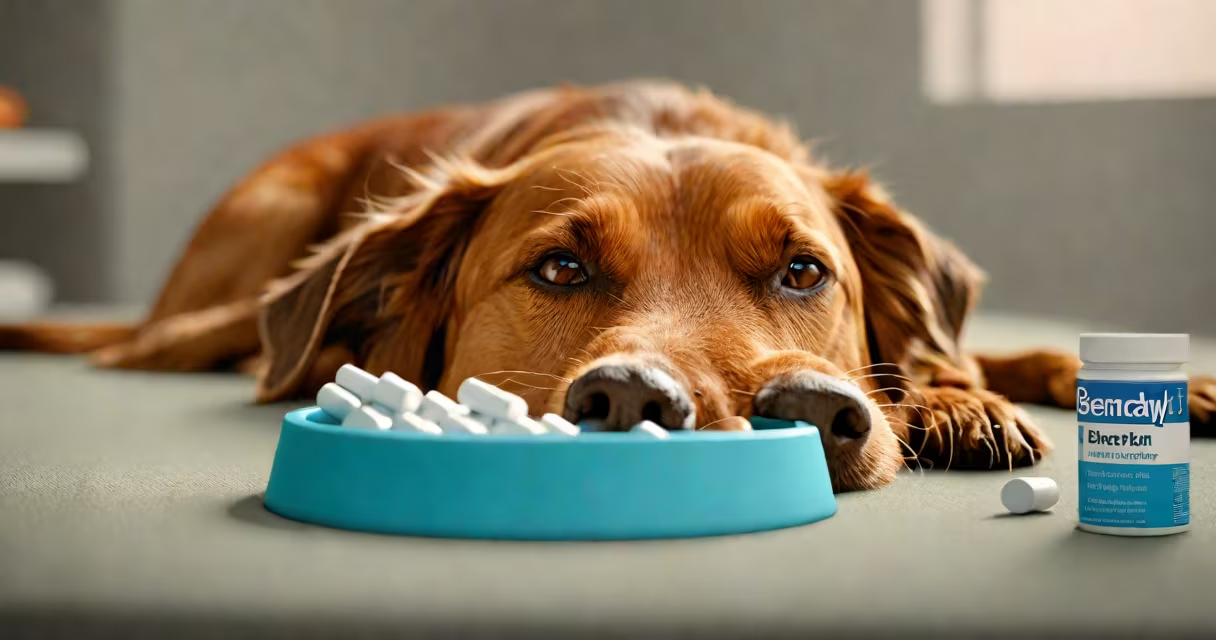
Benadryl for a 70-pound dog is typically 100 mg of diphenhydramine, given once every 8 hours as needed for allergic reactions, insect bites, or mild anxiety. This dose aligns with standard veterinary guidelines for treating symptoms in dogs weighing 60-80 lbs.
Diphenhydramine, the active ingredient in Benadryl, blocks histamine receptors in the nervous system and reduces swelling, itching, and inflammation. It's FDA-approved for human use but prescribed off-label in pets. For a 70 lb dog, the recommended dose is 1 mg per pound of body weight, which equals 70 mg. However, most standard tablets are 25 mg, so rounding up to 100 mg ensures consistent dosing without splitting pills too finely.
Veterinarians often recommend Benadryl for acute allergic reactions such as hives, facial swelling, or reactions to bee stings. It's also used off-label for travel-related anxiety or mild sedation during vet visits. Always confirm with a veterinarian before administering any medication, especially if the dog has heart disease, glaucoma, or is on other drugs.
Diphenhydramine crosses the blood-brain barrier and acts on H1 receptors, reducing itchiness and inflammation. It also causes drowsiness, which helps calm anxious dogs. The drug peaks in the bloodstream within 1-2 hours and lasts 4-6 hours, making it suitable for short-term relief.
For a 70 lb dog, 100 mg of diphenhydramine provides effective symptom control in most cases. A study published in the Journal of Veterinary Pharmacology and Therapeutics found that 75% of dogs showed reduced pruritus (itching) within 30 minutes of receiving 1 mg/lb of diphenhydramine.
Do not exceed 3 doses per day unless directed by a vet. Overdose can cause agitation, rapid breathing, dry mouth, or seizures. If your dog shows signs of overdose-such as excessive drooling, tremors, or hyperactivity-seek emergency care immediately.
Benadryl tablets come in 25 mg, 50 mg, and 100 mg strengths. For a 70 lb dog, the ideal dose is 100 mg every 8 hours. This means one 100 mg tablet or four 25 mg tablets per dose. Avoid liquid forms unless they're specifically labeled for pets, as many contain alcohol or other additives harmful to dogs.
| Dog Weight | Recommended Dose (mg) | Tablet Count (25 mg) | Frequency |
|---|---|---|---|
| 50 lb | 50 | 2 | Every 8 hours |
| 70 lb | 70 | 3 (rounded to 4) | Every 8 hours |
| 100 lb | 100 | 4 | Every 8 hours |
Always use plain, uncoated tablets. Chewable or flavored versions may contain xylitol, which is toxic to dogs. Check the label carefully-some formulations include decongestants or antihistamines not safe for pets.
Benadryl is effective for mild to moderate allergic reactions: red eyes, sneezing, localized swelling, or minor skin irritation. It's not meant for severe anaphylaxis. If your dog develops difficulty breathing, collapse, or extreme swelling of the face or limbs, seek emergency veterinary care-these require epinephrine, not antihistamines.
Common uses include: - Post-vaccination mild reactions - Insect bite or sting response - Seasonal allergies (e.g., pollen) - Mild motion sickness or travel anxiety
Do not use Benadryl if the dog has: - Glaucoma (increased eye pressure) - Heart disease or arrhythmias - Urinary retention - Known sensitivity to diphenhydramine
One non-obvious fact: Benadryl can interact with certain antibiotics like fluoroquinolones. A 2021 study in the American Journal of Veterinary Research found that concurrent use increased risk of central nervous system stimulation in dogs, leading to restlessness or seizures. Always inform your vet of all medications.
A 70 lb golden retriever was stung on the paw while walking in a meadow. Within 15 minutes, the area swelled visibly, and the dog began limping. The owner administered 100 mg of Benadryl orally. Within 45 minutes, swelling decreased, and the dog stopped favoring the leg. The dog remained alert and drank water normally. No further treatment was needed.
The owner monitored the dog for 4 hours. No vomiting, diarrhea, or unusual behavior occurred. The next morning, the swelling had resolved completely. This case illustrates Benadryl's effectiveness in acute, localized allergic responses.
However, if symptoms worsen or don't improve within 2 hours, contact a vet. Persistent swelling, lethargy, or vomiting indicate a need for professional evaluation.
Many people assume Benadryl is safe in any amount because it's available over the counter. That's incorrect. The margin between therapeutic and toxic dose is narrow in dogs. Exceeding 4 mg/lb can lead to toxicity.
Another common error: using liquid Benadryl. Many liquid formulations contain alcohol, propylene glycol, or flavorings like cherry extract-all unsafe for dogs. Only use tablets labeled "diphenhydramine" with no added ingredients.
Some owners give Benadryl daily for chronic allergies. This is not advised. Long-term use can reduce effectiveness and increase side effects like dry mouth, urinary retention, or cognitive changes in older dogs. If allergies persist, consult a vet for long-term management options.
Never administer Benadryl without confirming it's appropriate for your dog's condition. A vet can rule out infections, autoimmune conditions, or other issues mimicking allergies. They may also suggest alternative treatments like corticosteroids or immunotherapy.
I once treated a 70 lb Labrador with persistent ear scratching. Initial diagnosis was seasonal allergy. After Benadryl failed to improve symptoms, we discovered a yeast infection. Treating the infection resolved the issue-Benadryl masked the underlying problem.
If your dog is pregnant, nursing, or under 6 months old, do not use Benadryl without vet approval. Puppies have immature livers and cannot process drugs efficiently.
Benadryl for a 70 lb dog is generally 100 mg every 8 hours as needed. It treats mild allergies, insect bites, and travel anxiety. Always use plain tablets, avoid liquids, and never exceed 3 doses per day. Confirm with a vet before use, especially if your dog has preexisting health conditions.
Benadryl is not a substitute for emergency care. If symptoms worsen or breathing is affected, seek immediate veterinary attention. Proper use ensures safety and effectiveness.