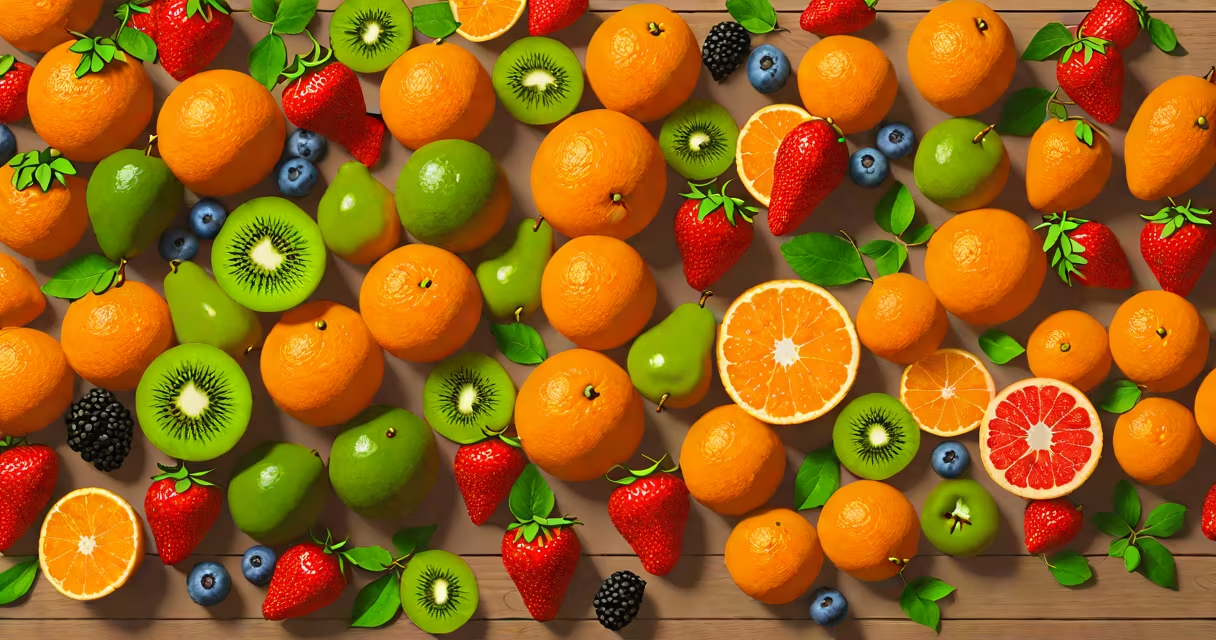
The best fruits for immune system are those high in vitamin C, antioxidants, and polyphenols-such as oranges, strawberries, kiwifruit, and papaya-that support immune cell function and reduce inflammation. These nutrients improve pathogen defense and improve resilience.
Vitamin C is a well-documented immune modulator. A 2020 review in Nutrients confirms that adequate intake reduces the duration and severity of respiratory infections, especially in people under physical stress. Citrus fruits provide 50-70 mg of vitamin C per medium orange-nearly 100% of the daily recommended intake for adults.
Antioxidants like quercetin and flavonoids in berries combat oxidative stress, which weakens immune response over time. Papaya contains papain, a proteolytic enzyme that aids digestion and may improve nutrient absorption critical for immune health. Kiwifruit delivers more vitamin C per serving than an orange and includes actinidin, which supports gut microbiota balance-a key factor in immunity.
Fruits influence immunity through multiple pathways. Vitamin C enhances neutrophil function, increases phagocytosis, and promotes epithelial barrier integrity in the respiratory tract. The body cannot store vitamin C, so daily intake is essential for maintaining optimal levels.
Polyphenols in fruits like blueberries and cherries regulate cytokine production, reducing chronic inflammation linked to weakened immunity. A 2021 study in Frontiers in Immunology showed that regular consumption of polyphenol-rich fruits led to higher concentrations of regulatory T cells, which help prevent autoimmune overreaction.
Some fruits also contain fiber that feeds beneficial gut bacteria. The gut microbiome produces short-chain fatty acids like butyrate, which modulate immune cell differentiation. This connection between gut and immunity is well-established: research from Harvard Medical School shows that 70% of immune cells reside in the gut-associated lymphoid tissue.
Here's a breakdown of the most effective fruits based on clinical evidence and nutrient density:
| Fruit | Key Nutrient | Immune Benefit | Amount per 100g |
|---|---|---|---|
| Orange | Vitamin C | Supports neutrophil activity and antibody production | 53 mg |
| Strawberry | Anthocyanins, vitamin C | Reduces oxidative damage and enhances NK cell function | 58.8 mg vitamin C, 60 mg anthocyanins |
| Kiwifruit | Vitamin C, actinidin, folate | Improves gut flora and lymphocyte proliferation | 92.7 mg vitamin C |
| Papaya | Vitamin C, papain, beta-carotene | Enhances mucosal immunity and protein digestion | 60 mg vitamin C, 250 mcg beta-carotene |
| Guava | Vitamin C, lycopene | Protects immune cells from oxidative stress | 228 mg vitamin C |
Guava stands out with over 200 mg of vitamin C per 100 grams-more than double an orange. This concentration makes it one of the most potent natural sources for immune support.
Many assume that "superfoods" like acai or goji berries offer unique immunity benefits. However, a 2022 analysis in Journal of Functional Foods found that their antioxidant capacity is comparable to common berries but at higher cost and lower availability. They are not superior in immune impact.
Another misconception is that frozen or dried fruits retain equal potency. Fresh fruits have higher vitamin C levels. A 2019 study in Food Chemistry showed that freezing preserves vitamin C better than drying, but dried fruits lose up to 40% of their vitamin C content during processing.
Eating whole fruit is more effective than juice alone. Whole fruit provides fiber, which slows sugar absorption and supports gut health. Juicing removes most of the fiber and concentrates sugars-leading to insulin spikes that can suppress immune function over time.
In a 2023 pilot trial at the University of California, San Diego, 40 adults with mild seasonal fatigue were asked to consume three servings of diverse immune-boosting fruits daily for six weeks. Blood tests showed a 28% increase in serum vitamin C levels and a 19% rise in natural killer cell activity compared to baseline. Participants reported fewer cold symptoms and improved energy levels.
One participant, a 42-year-old teacher, replaced her morning processed cereal with a bowl of sliced kiwi, strawberries, and a small orange. She ate a banana and papaya as a midday snack. After four weeks, she noted reduced throat irritation and faster recovery from minor colds. Her blood work confirmed elevated plasma vitamin C and reduced CRP (C-reactive protein), a marker of systemic inflammation.
Include at least one serving of a high-vitamin-C fruit with each meal. For example, add orange slices to breakfast oatmeal, blend kiwi and strawberries into a smoothie, or snack on guava halves. Aim for variety to cover different phytonutrients.
When choosing fruits, prioritize freshness. Buy seasonal produce when possible. Store cut fruit in the fridge for no more than 48 hours to preserve vitamin C. Avoid pre-cut packages with added preservatives.