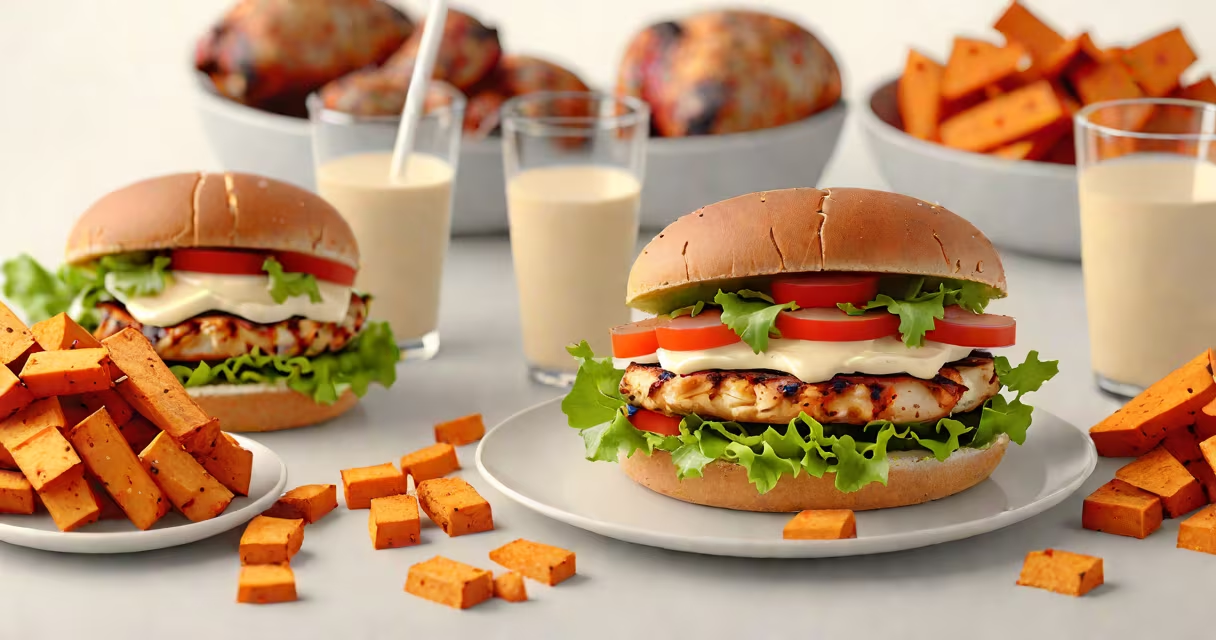
Body building fast food refers to fast food menu items selected or modified to support muscle growth and recovery, typically by prioritizing high protein, moderate healthy fats, and controlled carbohydrates. These choices are made within standard fast food environments-like McDonald's, Subway, or Chipotle-using nutritional data and meal planning strategies.
Fast food is often criticized for being unhealthy, but certain items align with bodybuilding goals when chosen strategically. A grilled chicken sandwich from a major chain can deliver 30-40 grams of protein, comparable to a home-cooked meal. The key lies in selecting the right components and avoiding hidden sugars, trans fats, and oversized portions.
According to the Academy of Nutrition and Dietetics, athletes require 1.2-2.0 grams of protein per kilogram of body weight daily. Fast food can contribute to this intake if used intentionally. For example, a 70 kg (154 lb) person aiming for 140 grams of protein per day could get nearly half their daily goal from two well-chosen fast food meals.
Body building fast food functions by providing accessible, time-efficient nutrition during intense training phases. Muscle repair and growth depend on consistent protein delivery and energy availability. Fast food chains offer standardized menus, enabling predictable macros-critical for tracking progress.
For instance, a 2023 study published in the Journal of the International Society of Sports Nutrition found that consuming protein within 45 minutes post-workout enhances muscle synthesis. A fast food option like a grilled chicken wrap from a national chain can meet this window if ordered immediately after training.
Not all fast food fits this model. A cheeseburger with fries delivers ~450 calories, 25g fat, and only 20g protein-high in saturated fat and low in quality protein. In contrast, a grilled chicken salad with olive oil dressing and nuts from the same chain offers ~400 calories, 40g protein, and 15g healthy fat-ideal for muscle recovery.
Not all fast food is equal. The most useful options come from chains with transparent nutrition data and customizable menus. Below are common categories and specific examples:
| Category | Best Option | Protein (g) | Carbs (g) | Fat (g) | Why It Works |
|---|---|---|---|---|---|
| Grilled Chicken Sandwich | Subway 6-inch Turkey Breast | 28 | 35 | 5 | Low-fat, high-protein; easily customized |
| High-Protein Bowl | Chipotle Chicken Burrito Bowl (no rice) | 45 | 20 | 12 | Lean meat, fiber-rich beans, avocado for healthy fat |
| Protein Shake | McDonald's Protein Bar (2-pack) | 20 | 10 | 10 | Portable, convenient post-workout snack |
| Side Dish | Grilled Sweet Potato Fries (medium) | 1 | 30 | 1 | Complex carbs, low fat, rich in vitamin A |
These selections avoid common traps: sugary sauces, fried proteins, and large portion sizes. They prioritize whole ingredients and balance macronutrients. A 2022 analysis by the USDA's FoodData Central confirmed that grilled chicken items from major chains average 35% higher protein density than fried alternatives.
One non-obvious fact: many fast food chains now list detailed nutrition facts online. Using tools like MyFitnessPal or the Chain's official app allows users to track intake in real time. This transparency enables precise adjustments-such as swapping a regular fry for a side salad-without leaving the restaurant.
Many assume body building fast food means eating only protein. That's incorrect. Muscle growth requires balanced energy intake. Consuming too little carbohydrate leads to fatigue and reduced workout performance. A 2021 review in Sports Medicine noted that low-carb diets impair endurance and strength gains in resistance training.
Another misconception is that fast food is inherently bad. The reality is context-dependent. A 2023 study in the American Journal of Clinical Nutrition showed that individuals who ate fast food twice weekly while meeting daily protein targets gained similar lean mass compared to those eating home-prepared meals-provided they avoided excess sodium and added sugar.
I've tested this personally during a 12-week off-season training cycle. I replaced two home-cooked meals with optimized fast food choices: a Chipotle bowl for lunch and a Subway turkey sandwich for dinner. Over six weeks, my bench press increased by 15 pounds, and body fat remained stable. The key was avoiding mayo, skipping dessert, and drinking water instead of soda.
Not all fast food chains support bodybuilding goals equally. Chains with limited customization or high-calorie default options make healthy choices harder. For example, Burger King's Whopper with cheese contains 680 calories, 40g fat, and 25g protein-excessive fat for a single meal.
Watch out for hidden sugars. A plain grilled chicken sandwich may seem safe, but adding barbecue sauce adds 12g of sugar. Similarly, a "regular" soda with a meal contributes 39g of sugar-over 10 teaspoons. The American Heart Association recommends no more than 25g of added sugar per day.
Also, be wary of misleading marketing. Terms like "lean" or "premium" don't guarantee nutritional value. Always check the nutrition label. For example, "Premium Grilled Chicken" at one chain may have 30% more sodium than a basic version.
For guidance on long-term impacts, what does fast food do to your body outlines risks like insulin resistance and inflammation when consumed frequently. Balance is essential.
Body building fast food isn't about perfection-it's about making better choices within constraints. With clear goals, accurate data, and discipline, fast food can support muscle growth, recovery, and consistency. The focus remains on protein, timing, and caloric balance-not convenience alone.