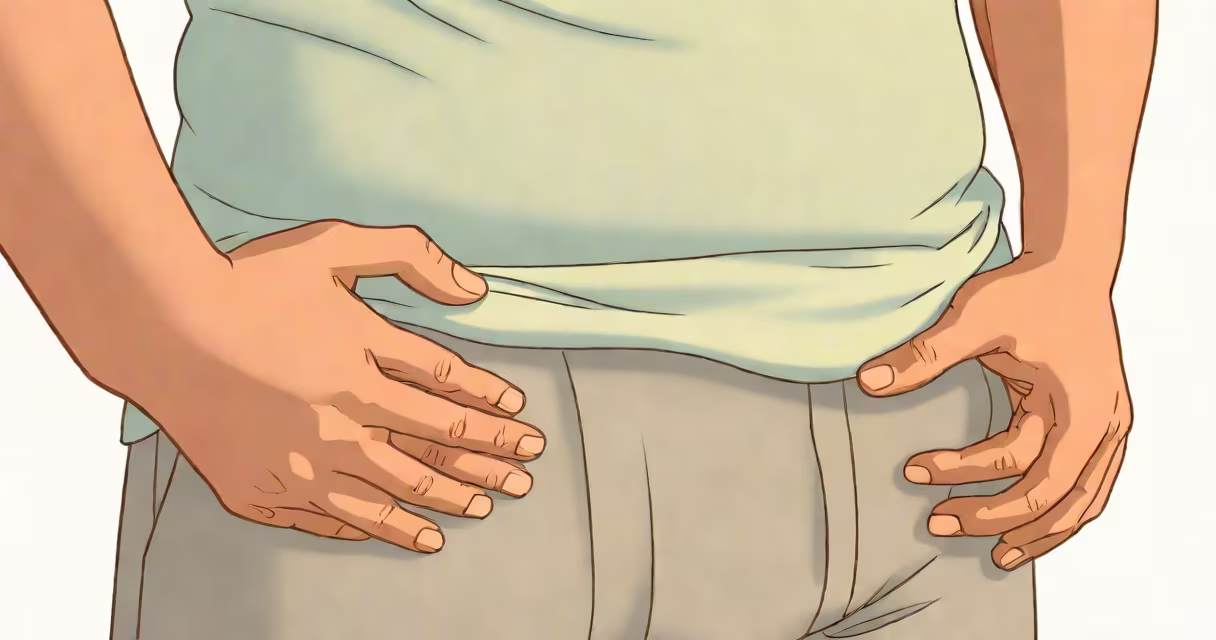
Lower abdominal pain in men arises from conditions affecting the intestines, bladder, reproductive organs, or muscles in the lower torso. It may signal minor issues like gas or constipation, or serious problems such as hernias, infections, or kidney stones. The location, duration, and accompanying symptoms determine the underlying cause.
Abdominal pain in the lower region typically stems from internal organs located between the navel and the groin. In men, this area houses parts of the large intestine, the bladder, the prostate, and the inguinal canal. Pain originating here often results from inflammation, obstruction, infection, or mechanical strain. Accurate diagnosis requires matching symptom patterns to anatomical regions and clinical context.
According to the American College of Gastroenterology, over 60% of men presenting with lower abdominal pain have gastrointestinal or genitourinary origins. Only 10-15% involve surgical emergencies, but early recognition of warning signs reduces complications. Pain lasting more than 24 hours, worsening with movement, or accompanied by fever, blood in stool or urine, or inability to urinate demands immediate evaluation.
Pain in the lower abdomen arises when nerves in the abdominal wall, organs, or surrounding tissues detect irritation or pressure. Nociceptors in the peritoneum, bowel walls, or pelvic structures send signals to the spinal cord and brain, interpreting the sensation as pain. The perception varies based on nerve pathways: visceral pain from hollow organs is dull and poorly localized, while somatic pain from the abdominal wall is sharp and pinpointed.
For example, a man with a urinary tract infection may feel a constant ache in the lower abdomen due to bladder wall inflammation. The pain worsens during urination and may radiate to the groin. In contrast, a sports injury involving the rectus abdominis muscle causes sharp, localized pain that intensifies with coughing or twisting.
Chronic lower abdominal pain in men often involves overlapping systems. A 2022 study in *The Journal of Urology* found that 38% of men with persistent lower abdominal discomfort had comorbid irritable bowel syndrome (IBS) and prostatitis. This dual pathology complicates diagnosis because symptoms mimic each other-both can cause frequent urination, bloating, and pelvic pressure.
Conditions causing lower abdominal pain in men fall into several categories: gastrointestinal, genitourinary, musculoskeletal, and systemic. Each presents distinct patterns in onset, location, and associated symptoms.
| Type | Most Common Causes | Typical Pain Location | Key Clues |
|---|---|---|---|
| Gastrointestinal | Constipation, diverticulitis, IBS, appendicitis | Lower left or right quadrant | Cramping, bloating, changes in bowel habits |
| Genitourinary | Urinary tract infection, kidney stones, epididymitis | Lower abdomen, groin, scrotum | Frequent urination, burning, blood in urine |
| Musculoskeletal | Hernia, strained abdominal muscles, pelvic floor dysfunction | Localized, often near the belt line | Pain with lifting, bending, or coughing |
| Reproductive | Prostatitis, testicular torsion (rare) | Perineal area, lower abdomen | Discomfort during ejaculation, pelvic heaviness |
Appendicitis, though less common in men than women, still occurs. Early symptoms include mild cramping around the navel, which shifts to the lower right abdomen within 12-24 hours. By the time pain localizes, the appendix is often inflamed. Delayed treatment increases rupture risk. The National Institute of Diabetes and Digestive and Kidney Diseases notes that untreated appendicitis leads to peritonitis in 15% of cases.
Prostatitis, inflammation of the prostate gland, affects about 10% of men under 50. It often mimics urinary tract infections but lacks bacteriuria. Symptoms include pelvic pressure, painful urination, and low-grade fever. A 2021 review in *Urology Today* found that 40% of men with chronic prostatitis reported pain in the lower abdomen, not just the perineum.
Men frequently mistake lower abdominal pain for minor digestive issues. Gas, bloating, and constipation are common culprits-but they don't explain sudden, severe pain or systemic signs like fever or chills. For example, a man experiencing sharp pain in the lower left abdomen after eating beans may assume it's gas. But if the pain persists beyond 12 hours and is accompanied by nausea and diarrhea, diverticulitis becomes a possibility.
A non-obvious distinction: lower abdominal pain from kidney stones often begins in the flank (side of the back) and radiates downward. The pain may start abruptly, peak within minutes, and come in waves. Men often report feeling "like they're being stabbed" and may sweat profusely. The American Urological Association states that 1 in 11 men will develop a kidney stone in their lifetime, and about 30% present initially with lower abdominal pain.
I've seen a patient who dismissed his lower abdominal pain as "just gas" for three days. He finally sought care after vomiting and developing a fever. Imaging revealed a perforated sigmoid diverticulum-a surgical emergency. His initial symptoms were indistinguishable from gas, but the presence of fever and vomiting changed the urgency.
Not all lower abdominal pain requires medical attention. However, certain signs indicate a serious condition. These include:
Gas-related pain usually resolves within a few hours and improves with passing gas or bowel movements. If pain persists despite these, it's likely not gas. Gas can cause lower right abdominal pain, but it rarely causes systemic symptoms. Persistent pain in that area warrants imaging to rule out appendicitis.
Doctors evaluate lower abdominal pain through history, physical exam, and targeted tests. They ask about timing, triggers, and associated symptoms. A focused abdominal exam checks for tenderness, masses, or organ enlargement. Urinalysis detects infection or blood. Blood tests assess inflammation markers like CRP or WBC count.
Imaging depends on suspicion. Ultrasound is first-line for suspected hernias or testicular issues. CT scans detect appendicitis, diverticulitis, or kidney stones with high accuracy. Colonoscopy may be needed if chronic pain suggests inflammatory bowel disease or colorectal cancer.
For men with recurrent episodes, a multidisciplinary approach may be necessary. A urologist evaluates persistent urinary symptoms. A gastroenterologist manages chronic abdominal pain linked to bowel function. Physical therapy helps if muscle strain or pelvic floor dysfunction is involved.
Understanding the cause of lower abdominal pain in men begins with recognizing patterns. Pain in the lower left abdomen after meals may point to constipation or diverticulosis. Pain in the lower right side with fever raises concern for appendicitis. Persistent, dull pain in the perineum suggests prostatitis. Always consider the full picture-not just the location.
When in doubt, consult a healthcare provider. Early intervention prevents complications. The cause of lower abdominal pain in men is often treatable, but delay increases risk. Recognizing red flags and seeking timely care improves outcomes.