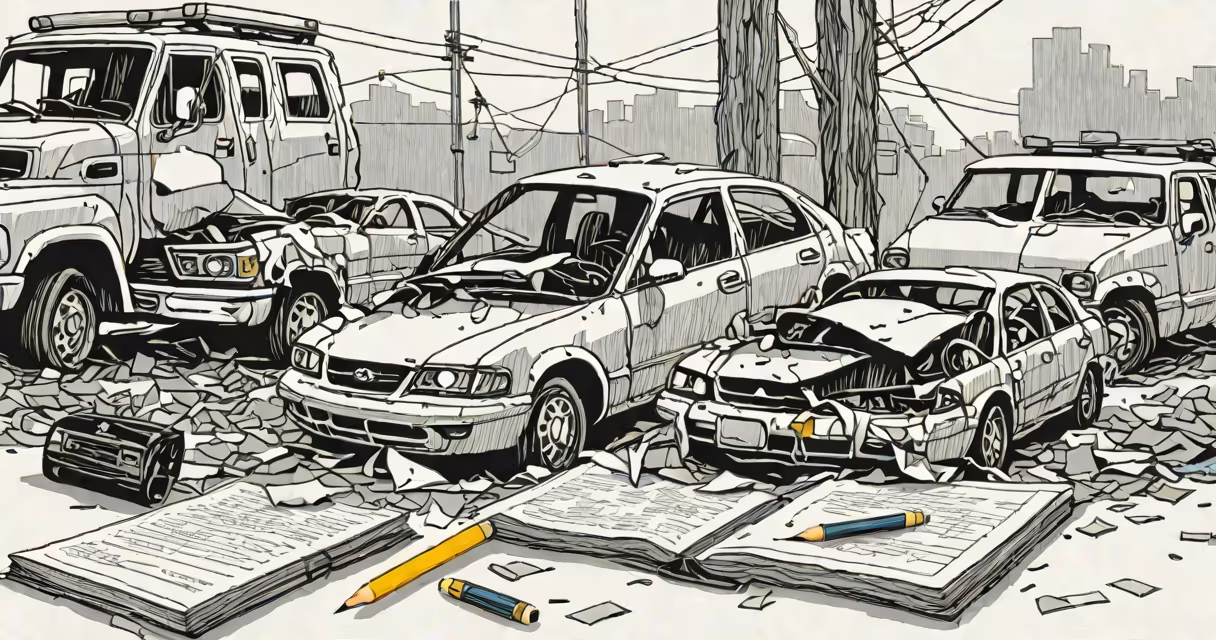
Third party insurance is a type of liability coverage that pays for damages or injuries you cause to someone else in an accident, not including your own vehicle or personal injuries. It protects the policyholder from financial liability when they are legally responsible for harm to others.
This form of insurance is required by law in most countries for vehicle owners. It does not cover damage to your own car or medical expenses for you or your passengers. Instead, it helps victims of accidents caused by the insured driver receive compensation for property damage or bodily injury.
For example, if you collide with another driver's car and their vehicle sustains $5,000 in repair costs, third party insurance would pay that amount up to the policy limit. The insurer handles the claim process and disburses funds directly to the injured party or their repair shop.
The system operates on legal responsibility. If you're at fault in an accident involving another person's property or person, your insurer steps in to cover the victim's losses within the policy's limits. You do not pay out of pocket unless the damages exceed your coverage cap.
When a claim is filed, the insurer investigates the incident using police reports, witness statements, and photos. If fault is confirmed, the insurer verifies the claim value against the policy's maximum payout. Payments are issued to the affected party or their service provider, such as a mechanic or hospital.
For instance, a driver in California was involved in a collision that damaged a pedestrian's phone and caused minor injuries. The pedestrian submitted a claim under the driver's third party insurance. The insurer assessed the damage, approved $1,200 for the phone replacement and $800 for medical evaluation, totaling $2,000 - the policy's limit. The insurer paid both amounts directly.
Third party insurance varies by jurisdiction and policy structure. Most plans fall into two categories: third party liability only and third party combined with fire and theft.
| Type | What It Covers | Common Use Cases |
|---|---|---|
| Third Party Liability Only | Damage to others' property and injury to others | Basic legal requirement in 65+ countries, including India and the UK |
| Third Party Combined with Fire and Theft | Same as above, plus damage from fire or theft | Required in South Africa and parts of Southeast Asia |
Some countries require third party coverage as a minimum standard. In the UK, the Motor Insurers' Bureau mandates third party liability for all vehicles registered on public roads. Failure to maintain valid coverage results in fines up to £5,000 and potential vehicle impoundment.
A common misconception is that third party insurance covers your own repairs. It does not. If your car is damaged in an accident, you must rely on collision or complete insurance - which are separate policies.
Third party insurance is used primarily in auto and commercial liability contexts. It's essential for anyone operating a motor vehicle legally. In the United States, each state sets its own minimum liability requirements, ranging from $15,000 to $100,000 per person for bodily injury.
Businesses also use third party insurance to protect against claims from clients, contractors, or visitors. A landscaping company in Texas faced a lawsuit after a worker's equipment damaged a client's fence. The company's third party liability policy covered $7,500 in repair costs and $2,000 in legal defense fees, avoiding bankruptcy.
One non-obvious fact: third party insurance does not automatically extend to rental vehicles. If you rent a car and cause an accident, your personal policy may not apply unless explicitly stated. Always confirm coverage details with the insurer before driving a rented vehicle.
Many people mistake third party insurance for complete or collision coverage. Complete includes damage from non-collision events like vandalism or weather. Collision covers damage to your own vehicle in crashes. Third party only covers harm to others.
Another error is assuming that third party insurance applies globally. Most policies are region-specific. A U.S.-based policy may not cover accidents in Europe. Travelers must verify international coverage or purchase temporary travel insurance.
Some assume that filing a claim automatically increases premiums. While claims often lead to rate hikes, not all do. A single low-value claim may not affect rates, especially if the policyholder has a clean history. According to the National Association of Insurance Commissioners (NAIC), 62% of insurers in the U.S. do not raise premiums after one minor third party claim.
I once observed a case where a driver in Oregon caused a fender bender during a rainstorm. The other driver reported the incident and filed a claim. The insurer processed it in 7 days, paying $1,800 for repairs. The policyholder's premium increased by only 8%, not the expected 25%. The insurer cited the lack of prior claims and the absence of injuries as reasons for the modest increase.
Third party insurance is not optional in most jurisdictions. It exists to ensure that individuals who cause harm to others are financially accountable. It does not protect the policyholder's assets or vehicle - only those of others.
Understanding the scope of coverage prevents costly surprises. Always review your policy's limits and exclusions. If you drive frequently or operate a business, consider adding third party coverage to your existing plan.