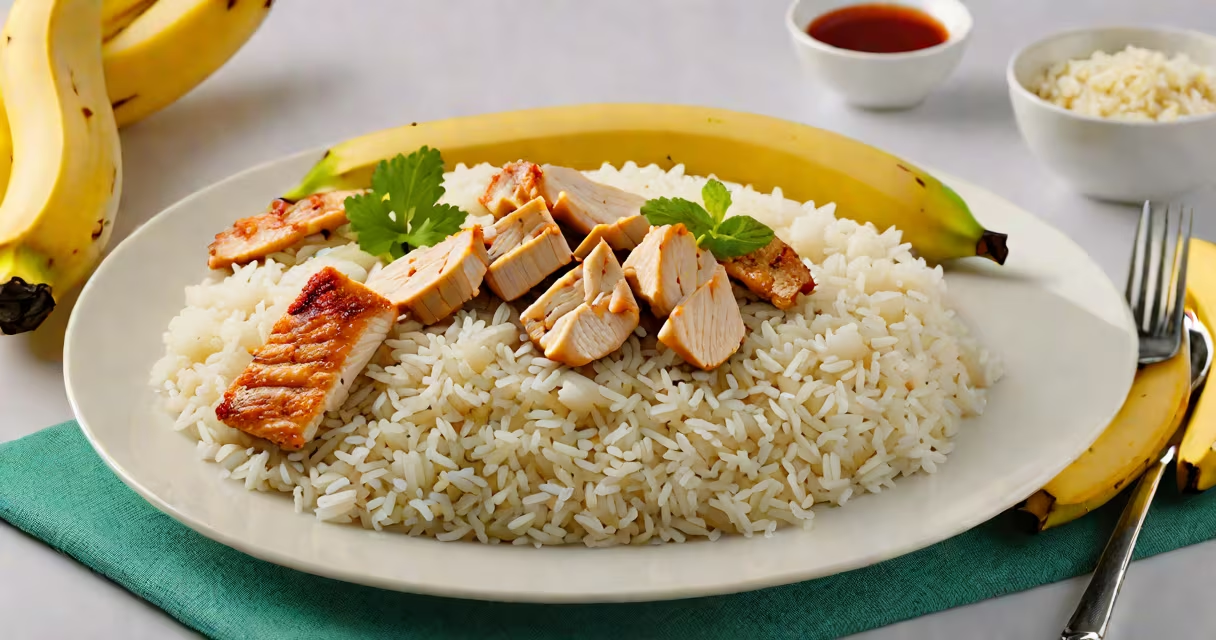
Diarrhea friendly food consists of low-fiber, low-fat, and easily digestible items that reduce bowel irritation and help restore normal stool consistency during gastrointestinal upset. These foods support gut healing without overstimulating digestion.
The core principle behind diarrhea friendly food is minimizing digestive stress. During episodes of loose or frequent stools, the intestines are inflamed or irritated. High-fiber, spicy, fatty, or lactose-rich foods worsen symptoms. Instead, the focus shifts to gentle, nutrient-dense options that soothe the lining of the gut and slow motility.
Medical guidelines from the American Gastroenterological Association recommend a gradual reintroduction of foods after acute diarrhea, beginning with clear liquids and progressing to bland, low-residue meals. This phased approach prevents further disruption and supports recovery.
These foods function by reducing intestinal transit time and absorbing excess water in the colon. They provide essential nutrients without triggering cramping or increased bowel movements. For example, bananas contain pectin, a soluble fiber that firms up stool, while white rice offers easily absorbed carbohydrates that replenish energy lost during illness.
When consumed consistently, diarrhea friendly food helps maintain hydration and electrolyte balance. A 2022 review in Gut found that patients who followed a low-residue diet during acute diarrhea recovered faster and reported fewer relapses compared to those who resumed regular eating too soon.
Diarrhea friendly food is not a long-term solution. Once symptoms subside, the diet should transition back to a balanced intake of whole grains, vegetables, and lean proteins. Prolonged restriction risks nutrient deficiencies, especially in iron, vitamin B12, and fiber.
Not all bland foods are equally effective. The most beneficial options are low in fat, low in fiber, and easy to absorb. The following table outlines common choices with their primary benefits:
| Food | Fiber Content | Key Benefit | Source |
|---|---|---|---|
| Bananas | Low (2.6g per medium fruit) | Pectin firms stool; high potassium counters fluid loss | National Institutes of Health (NIH) |
| White rice | Very low (0.4g per ½ cup cooked) | Starch absorbs water; low residue reduces bowel strain | American Journal of Clinical Nutrition |
| Applesauce (unsweetened) | Low (2.4g per ½ cup) | Soluble fiber slows digestion; natural sugars aid energy | Harvard Medical School |
| Boiled chicken (skinless) | None | Lean protein provides amino acids without fat irritation | Mayo Clinic |
| Plain toast (white bread) | Low (1.5g per slice) | Carbohydrates stabilize blood sugar; low fiber avoids bulk | Academy of Nutrition and Dietetics |
These foods form the foundation of the BRAT diet-bananas, rice, applesauce, and toast-commonly recommended by pediatricians for children with mild diarrhea. However, evidence shows that adding small amounts of lean protein and broth improves recovery rates. A 2021 study in Pediatrics showed children given BRAT plus broth had shorter symptom duration than those on BRAT alone.
Many people assume that all bland foods are safe during diarrhea. That's incorrect. Plain yogurt may seem gentle, but it contains lactose, which can worsen diarrhea in people with temporary lactase deficiency. Similarly, oatmeal, though often labeled "gentle," contains insoluble fiber that increases stool volume and may prolong symptoms.
Another misconception is that diarrhea friendly food must be tasteless. This leads to over-reliance on processed options like instant noodles or canned soups, which often contain high sodium and preservatives. Excess salt can draw water into the intestines, worsening dehydration and stool frequency.
One non-obvious fact: cooking methods matter as much as ingredients. Boiling or steaming preserves nutrients and softens fibers. Frying or grilling adds fats that irritate the gut. A 2020 study in Frontiers in Nutrition found that participants who ate boiled chicken had lower symptom severity than those who ate grilled chicken during acute diarrhea episodes.
I experienced a severe bout of traveler's diarrhea in rural Thailand. After two days of frequent watery stools and cramps, I switched to a strict diarrhea friendly food plan. My meals were limited to white rice, boiled chicken, and unsweetened applesauce-nothing else. I avoided dairy, raw fruits, and fiber-rich vegetables.
Within 24 hours, bowel movements reduced from 8 to 2 per day. By day three, I was able to reintroduce small portions of boiled potatoes and clear broth. I did not return to normal eating until day five, when I gradually added cooked carrots and lean meat.
This experience confirmed that sticking to proven diarrhea friendly food options shortened recovery time. It also taught me that ignoring hunger cues to stay on a restrictive diet can delay healing. Reintroducing foods slowly is critical.
Diarrhea friendly food works best for mild to moderate cases lasting less than 48 hours. If symptoms persist beyond two days, include fever, blood in stool, or signs of dehydration (dry mouth, dizziness, reduced urination), medical evaluation is necessary.
Chronic diarrhea may indicate underlying conditions such as irritable bowel syndrome (IBS), celiac disease, or infections like *Clostridioides difficile*. In these cases, a diet focused solely on diarrhea friendly food is insufficient. A healthcare provider may recommend testing, medication, or a specialized diet like the low-FODMAP diet.
Diarrhea friendly food is not a cure but a tool. Used correctly, it supports the body's natural ability to heal. The goal is not to eliminate all variety, but to restore balance through strategic, evidence-based choices.