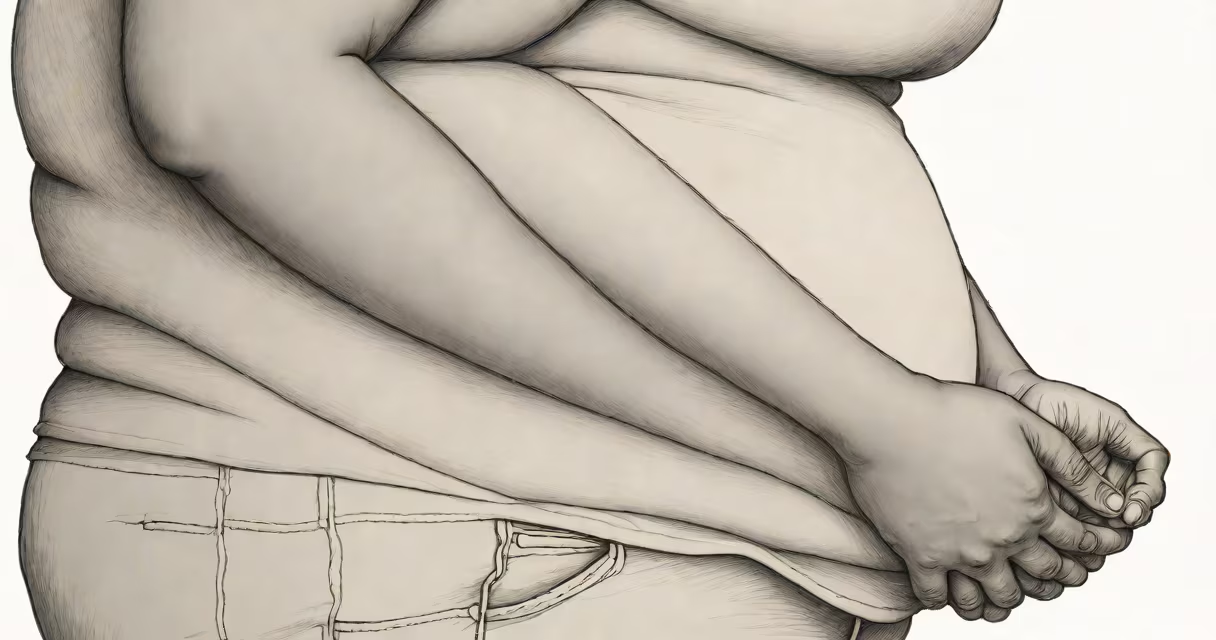
Extreme bloating and diarrhea describe a combination of severe abdominal distension and frequent loose or watery bowel movements, often indicating a significant disruption in digestive function. This condition may stem from infections, food intolerances, or chronic gastrointestinal disorders and requires prompt evaluation if persistent.
These symptoms arise when the intestines fail to properly absorb fluids and nutrients, leading to gas buildup and rapid transit of stool. Bloating results from trapped gas or fluid in the intestinal tract, while diarrhea occurs due to increased secretion of water into the bowel or reduced absorption. Together, they signal that something is interfering with normal digestion.
According to the American Gastroenterological Association, persistent diarrhea affects approximately 10% of adults annually, with bloating frequently accompanying it. When both occur together and last longer than three days, they may indicate a serious underlying issue such as irritable bowel syndrome (IBS), inflammatory bowel disease (IBD), or small intestinal bacterial overgrowth (SIBO).
The digestive system processes food through mechanical and chemical breakdown. When this process fails, undigested material reaches the colon, where bacteria ferment it, producing gas. This fermentation increases pressure in the intestines, causing bloating. Simultaneously, inflammation or nerve dysfunction can accelerate gut motility, reducing water absorption and resulting in loose stools.
For example, lactose intolerance leads to bloating and diarrhea after consuming dairy because the body lacks lactase, the enzyme needed to break down lactose. Undigested lactose draws water into the intestine via osmosis and fuels bacterial fermentation, producing gas and liquid stool. A single glass of milk can trigger symptoms within 30 minutes to two hours in sensitive individuals.
Other mechanisms include autoimmune responses in Crohn's disease, where immune cells attack the intestinal lining, increasing permeability and fluid loss. Infections like *Clostridioides difficile* (C. diff) cause severe diarrhea by releasing toxins that damage the colon wall, impairing absorption and triggering inflammation.
Several distinct health issues can lead to extreme bloating and diarrhea. Identifying the root cause is essential for effective treatment.
| Condition | Key Mechanism | Typical Duration | Diagnostic Clue |
|---|---|---|---|
| Lactose intolerance | Enzyme deficiency prevents sugar breakdown | Immediate post-consumption | Improves with dairy elimination |
| Irritable Bowel Syndrome (IBS) | Altered gut-brain axis and motility | Chronic, episodic | Relief with stress reduction or dietary changes |
| Celiac disease | Gluten triggers immune destruction of villi | Chronic unless gluten-free diet maintained | Positive blood tests for tissue transglutaminase antibodies |
| Small Intestinal Bacterial Overgrowth (SIBO) | Excess bacteria ferment carbohydrates prematurely | Recurrent episodes | Hydrogen breath test positive |
One non-obvious distinction: bloating from SIBO typically worsens after eating, especially high-carb meals, whereas bloating from constipation-related distension tends to be constant and less responsive to dietary change. This difference helps guide testing and treatment.
During a clinical visit, doctors may use hydrogen breath tests to detect SIBO or perform endoscopy to assess intestinal damage in suspected celiac disease. Blood tests for anti-tTG antibodies have a sensitivity of 95% and specificity of 98% for diagnosing celiac disease, according to the National Institute of Diabetes and Digestive and Kidney Diseases (NIDDK).
Extreme bloating and diarrhea require medical attention if they persist beyond three days, are accompanied by fever above 101°F (38.3°C), blood in stool, or signs of dehydration such as dry mouth, dizziness, or reduced urination. These symptoms suggest infection, inflammation, or systemic involvement.
I experienced this firsthand during a trip to Southeast Asia. After eating street food with raw vegetables and unboiled water, I developed severe bloating and explosive diarrhea within six hours. By the second day, I was dehydrated and weak. A clinic diagnosed a *Shigella* infection based on stool culture and prescribed antibiotics. Symptoms resolved in 48 hours after treatment.
Dehydration risks are real. Losing more than 5% of body weight in fluids can impair kidney function and increase hospitalization risk. The World Health Organization recommends oral rehydration solutions containing sodium, potassium, and glucose to restore electrolyte balance during acute diarrhea.
Extreme bloating and diarrhea are often confused with functional gastrointestinal disorders like IBS, which lack structural abnormalities. However, IBS is diagnosed after ruling out organic causes using Rome IV criteria, which require recurrent abdominal pain linked to defecation and altered stool frequency or form.
Another common mix-up: bloating caused by gas versus bloating from fluid accumulation. Gas-related bloating improves with movement or passing flatus. Fluid-filled bloating (ascites) is associated with liver disease or cancer and presents with visible abdominal enlargement and tight-fitting clothes, even without gas.
For context, a patient with pancreatic insufficiency may experience steatorrhea-fatty, foul-smelling stools-alongside bloating due to poor fat digestion. This differs from typical diarrhea seen in infections or IBS. Testing fecal elastase levels can confirm pancreatic enzyme deficiency.
Extreme bloating and diarrhea are not normal. They reflect a disturbance in gut physiology that demands investigation. Early diagnosis reduces complications and improves quality of life. If symptoms persist, consult a gastroenterologist for targeted evaluation and management.