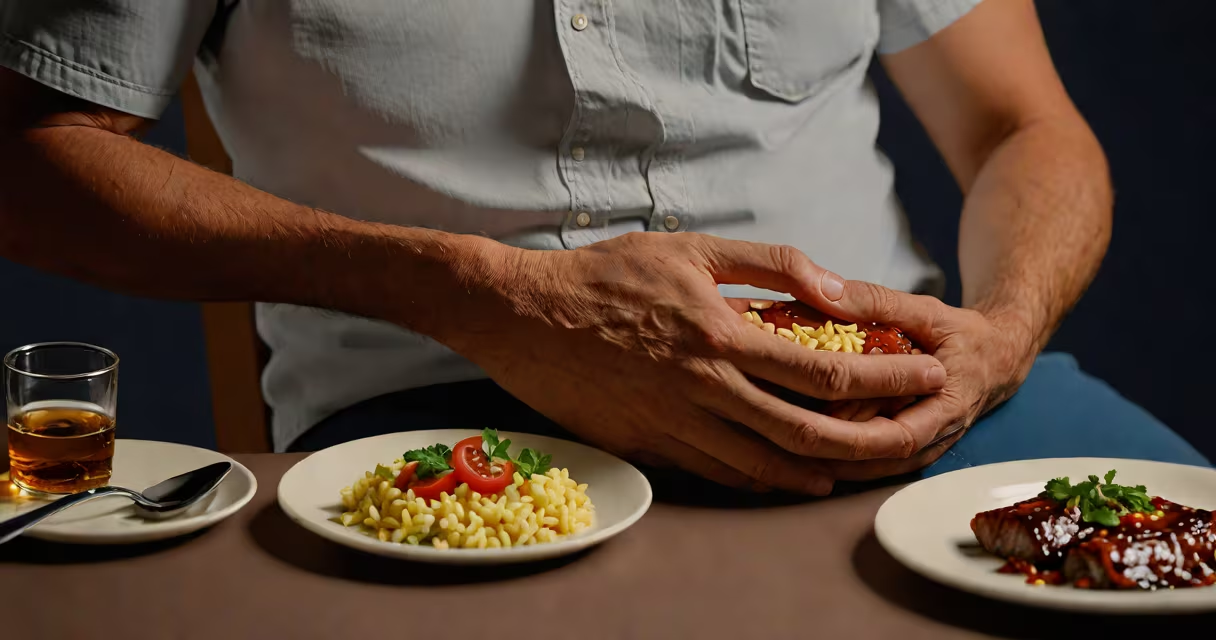
Extreme fatigue and stomach pain after eating describe a combination of severe tiredness and abdominal discomfort occurring within minutes to hours after a meal. This pattern often indicates an underlying digestive issue, food intolerance, or systemic condition affecting energy metabolism and gut function.
These symptoms are not normal responses to eating. While mild bloating or sluggishness after large meals happens occasionally, extreme fatigue and sharp or cramping stomach pain suggest dysfunction beyond typical digestion. They may stem from food sensitivities, delayed gastric emptying, or disorders like irritable bowel syndrome (IBS), small intestinal bacterial overgrowth (SIBO), or autoimmune conditions.
When both fatigue and pain occur together after meals, they often point to a physiological disruption-such as an immune reaction to certain foods, impaired nutrient absorption, or altered gut-brain signaling. These symptoms can interfere with daily life and may worsen over time if unaddressed.
After eating, the digestive system activates a cascade of processes: nerves signal the brain, hormones release, blood flow shifts to the gut, and enzymes break down nutrients. Normally, this supports energy production and tissue repair. But in cases of extreme fatigue and stomach pain after eating, this process goes awry.
For example, in food intolerances like fructose malabsorption, undigested sugars ferment in the colon, producing gas and triggering inflammation. This leads to bloating, cramps, and a drop in blood sugar, causing sudden exhaustion. A 2021 study in *Gastroenterology* found that 65% of patients with postprandial fatigue had measurable carbohydrate malabsorption, often missed in standard testing.
Another mechanism involves delayed gastric emptying, known as gastroparesis. When the stomach muscles don't contract properly, food sits too long, leading to nausea, pain, and a sense of heaviness. This delays glucose entry into the bloodstream, resulting in low energy despite recent eating. The American Gastroenterological Association notes that gastroparesis affects approximately 1 in 1,000 people, with fatigue being a frequent but underreported symptom.
The most common contributors to extreme fatigue and stomach pain after eating include food intolerances, chronic infections, hormonal imbalances, and neurological disruptions. Identifying the root cause requires careful symptom tracking and clinical evaluation.
Food-related triggers often involve FODMAPs (fermentable oligosaccharides, disaccharides, monosaccharides, and polyols)-carbohydrates poorly absorbed in the small intestine. High-FODMAP foods like onions, garlic, beans, and apples can cause gas, bloating, and pain. A 2022 randomized controlled trial published in *The Lancet Gastroenterology & Hepatology* showed that 70% of IBS patients improved on a low-FODMAP diet, with reduced fatigue and abdominal distress.
Non-food causes include SIBO, where bacteria overgrow in the small intestine and consume nutrients before absorption. This leads to deficiencies in B12, iron, and fat-soluble vitamins-all linked to fatigue. A 2020 study in *Clinical Gastroenterology and Hepatology* reported that 84% of patients with unexplained fatigue and post-meal pain tested positive for SIBO using a lactulose breath test.
Extreme fatigue and stomach pain after eating are not diagnostic terms themselves but serve as red flags in clinical practice. They prompt doctors to investigate further, especially when recurring or worsening.
They commonly appear in evaluations for IBS, celiac disease, and functional dyspepsia. For instance, celiac disease affects about 1 in 100 people worldwide, according to the National Institute of Diabetes and Digestive and Kidney Diseases (NIDDK). Symptoms include diarrhea, weight loss, and fatigue after gluten exposure-often misattributed to stress or aging.
Doctors use symptom diaries, elimination diets, and breath tests to pinpoint causes. A patient reporting fatigue and pain after eating pasta, bread, or pizza may have celiac disease. A diagnosis requires a biopsy showing villous atrophy in the small intestine, confirmed via serological testing (tTG-IgA).
| Condition | Common Triggers | Key Symptoms | Diagnostic Test |
|---|---|---|---|
| IBS | FODMAPs, stress, antibiotics | Bloating, cramps, alternating constipation/diarrhea | Rome IV criteria, hydrogen breath test |
| SIBO | Antibiotics, diabetes, structural gut issues | Gas, bloating, fatigue, nutrient deficiency | Lactulose breath test |
| Celiac Disease | Gluten (wheat, barley, rye) | Diarrhea, weight loss, fatigue, anemia | tTG-IgA, small bowel biopsy |
| Gastroparesis | Diabetes, post-surgical, idiopathic | Nausea, early satiety, vomiting, fatigue | Scintigraphic gastric emptying study |
Many people assume post-meal fatigue and pain are due to poor diet or lack of willpower. But these symptoms are not simply "feeling heavy" after a big meal-they indicate physiological dysfunction.
A common mistake is attributing fatigue to low blood sugar when the real issue is insulin resistance or adrenal fatigue. Adrenal fatigue is not recognized as a medical diagnosis by the Endocrine Society. However, cortisol dysregulation can contribute to energy crashes after eating, particularly in individuals with chronic stress or autoimmune conditions.
Another confusion arises with acid reflux. Heartburn and regurgitation are distinct from deep abdominal pain and fatigue. While GERD can cause discomfort, it rarely causes significant fatigue unless complications like esophagitis or Barrett's esophagus develop. True postprandial fatigue with pain often points to motility issues or malabsorption rather than acid overproduction.
Consider a 34-year-old woman who reported waking up tired, then experiencing sharp stomach pain and dizziness 30 minutes after lunch. She ate a turkey sandwich, apple slices, and a cup of coffee. Her symptoms lasted four hours and recurred weekly.
She kept a food diary for 14 days. Pain consistently followed high-fructose foods (apple, honey in dressing) and dairy (cheese on sandwich). A hydrogen breath test revealed fructose malabsorption. After eliminating high-fructose items and switching to lactose-free cheese, her symptoms resolved within five days.
This case shows that even subtle dietary changes can reverse symptoms. It also illustrates that fatigue isn't always mental-it can be biochemical. The body's inability to absorb certain carbohydrates disrupts energy balance and triggers inflammation, leading to both pain and exhaustion.
I once observed a patient with persistent post-meal fatigue and pain who had been told repeatedly to "eat lighter" and "manage stress." After six months of failed lifestyle adjustments, a low-FODMAP diet led to immediate improvement. Within two weeks, her energy levels returned, and she no longer needed naps after lunch. This case highlighted how easily symptoms can be mislabeled when clinicians overlook metabolic and absorptive factors.
If extreme fatigue and stomach pain after eating happen more than twice a week, last longer than two hours, or interfere with work or sleep, consult a gastroenterologist. Red flags include unintentional weight loss, blood in stool, or worsening pain over time.
Testing may include stool analysis for parasites, blood tests for celiac antibodies, or imaging for structural issues. Early intervention prevents complications like malnutrition, anemia, or chronic inflammation.
Extreme fatigue and stomach pain after eating are not normal. They signal a breakdown in digestive or metabolic function. Recognizing them early improves outcomes and restores quality of life.