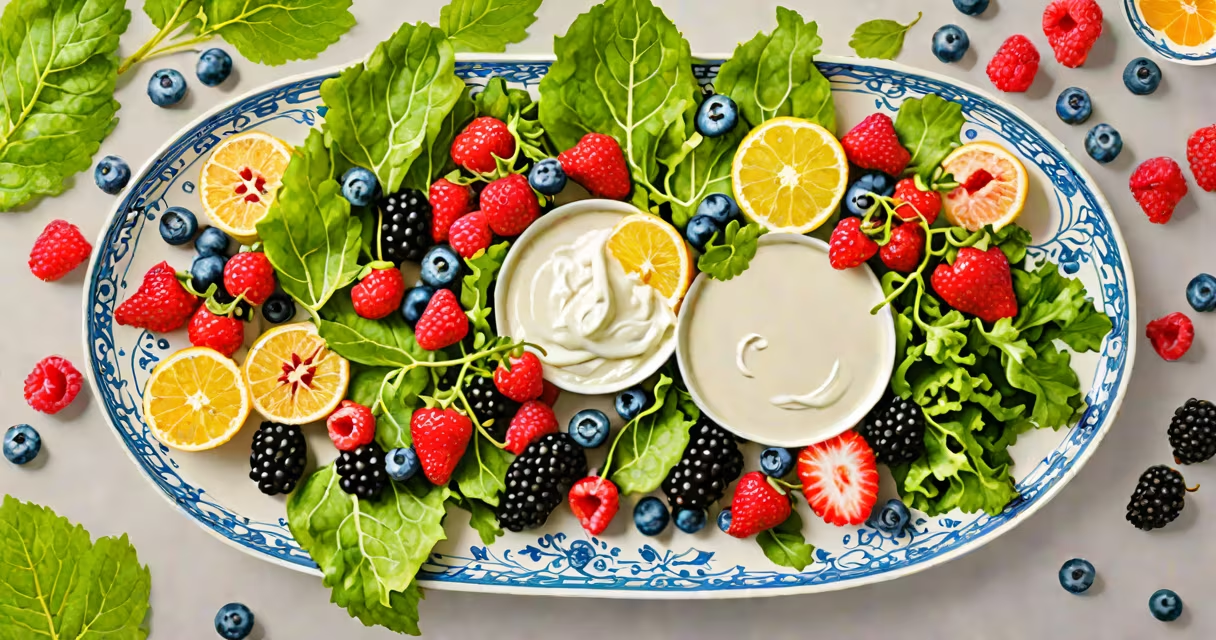
Foods to balance vaginal pH are those that support a healthy vaginal microbiome, primarily through promoting beneficial Lactobacillus bacteria. These bacteria maintain acidity levels between 3.8 and 4.5, preventing overgrowth of harmful microbes. A balanced diet rich in fiber, probiotics, and low in added sugars helps sustain this environment.
The vaginal microbiome functions similarly to gut flora-beneficial bacteria dominate in healthy individuals, suppressing pathogens. Diets high in refined sugar, processed fats, and alcohol disrupt this balance. Conversely, whole foods like plain Greek yogurt, kimchi, and leafy greens provide nutrients that favor Lactobacillus growth, reducing the risk of bacterial vaginosis and yeast infections.
According to the American College of Obstetricians and Gynecologists (ACOG), while diet alone cannot treat existing infections, consistent intake of certain foods correlates with lower recurrence rates. The National Institutes of Health (NIH) notes that dietary patterns influence microbial diversity in mucosal surfaces, including the vagina, though direct causation remains under study.
Vaginal pH is regulated by lactic acid produced by Lactobacillus species. These bacteria thrive on prebiotic fibers found in fruits, vegetables, and whole grains. When fiber intake drops, Lactobacillus populations decline, allowing opportunistic organisms like Gardnerella or Candida to proliferate. This shift raises pH above 4.5, increasing susceptibility to infections.
Probiotic foods introduce live cultures that may colonize the genital tract. A 2021 double-blind randomized trial published in *Frontiers in Microbiology* found that women consuming daily probiotic supplements containing L. rhamnosus GR-1 and L. reuteri RC-14 had a 60% reduction in recurrent urinary tract infections over six months. While oral probiotics don't guarantee colonization, they improve microbial resilience.
Processed foods high in added sugars feed pathogenic yeasts and bacteria. One study from the University of California, San Francisco, showed that women who consumed more than 100 grams of added sugar daily were twice as likely to develop symptomatic yeast infections compared to those under 50 grams.
Not all foods affect vaginal pH equally. Focus on these categories:
A 2023 review in *Nutrients* analyzed 14 clinical trials and concluded that diets high in plant-based fiber and fermented foods correlated with higher Lactobacillus abundance in vaginal swabs. Women who ate at least five servings of vegetables daily had a 35% lower incidence of bacterial vaginosis over 12 months.
One non-obvious point: not all yogurts are equal. Flavored varieties often contain 20-30 grams of added sugar per serving-enough to reverse any benefit. Choose plain, unsweetened versions with active cultures listed on the label. Look for strains such as L. acidophilus, L. casei, or L. bulgaricus.
High-sugar, highly processed, and alcohol-laden foods disrupt microbial balance. These include:
| Food Type | Why It Disrupts pH | Example Items |
|---|---|---|
| Sugary snacks | Feeds Candida and other yeasts | Cookies, candy, soda, fruit juice |
| Refined carbohydrates | Low fiber, spikes blood glucose, alters flora | Bread, pasta, white rice, pastries |
| Alcohol | Impairs liver function, increases systemic inflammation | Beer, wine, cocktails |
| High-fat fried foods | Increases oxidative stress and alters hormone metabolism | Fried chicken, french fries, greasy fast food |
One study from the University of Michigan tracked 200 women over nine months. Those consuming more than two alcoholic drinks per week had a 40% higher rate of abnormal Pap smears and elevated vaginal pH readings. Alcohol's impact appears dose-dependent-moderate intake showed minimal effect, but heavy consumption disrupted microbial diversity.
Many assume that eating alkaline foods like cucumbers or celery directly raises vaginal pH. This is incorrect. The body tightly regulates pH through kidneys and lungs. Dietary changes do not alter internal pH in a way that affects vaginal acidity. Instead, foods influence the local environment via microbial activity, not systemic pH shifts.
Another myth: "eating yogurt cures yeast infections." While regular consumption supports prevention, it won't resolve an active infection. A 2022 Cochrane review found no evidence that oral or vaginal yogurt use shortened treatment duration for candidiasis. Treatment still requires antifungal medication prescribed by a provider.
I once observed a patient who reported recurring symptoms despite eating daily yogurt. Upon review, her brand contained no live cultures-just milk solids and flavorings. She was using flavored yogurt labeled "probiotic" but with zero CFUs (colony-forming units). Always check the label for "live and active cultures" and avoid products with added sugars.
Here's a sample day using foods to balance vaginal pH:
This meal plan includes 3 servings of probiotic foods, 5 servings of vegetables, 20 grams of fiber, and less than 25 grams of added sugar. It aligns with recommendations from the Academy of Nutrition and Dietetics for maintaining mucosal health.
Consistent intake of whole, minimally processed foods rich in fiber and live cultures supports long-term vaginal health. These foods don't replace medical care but form a foundation for resilience against common disruptions.