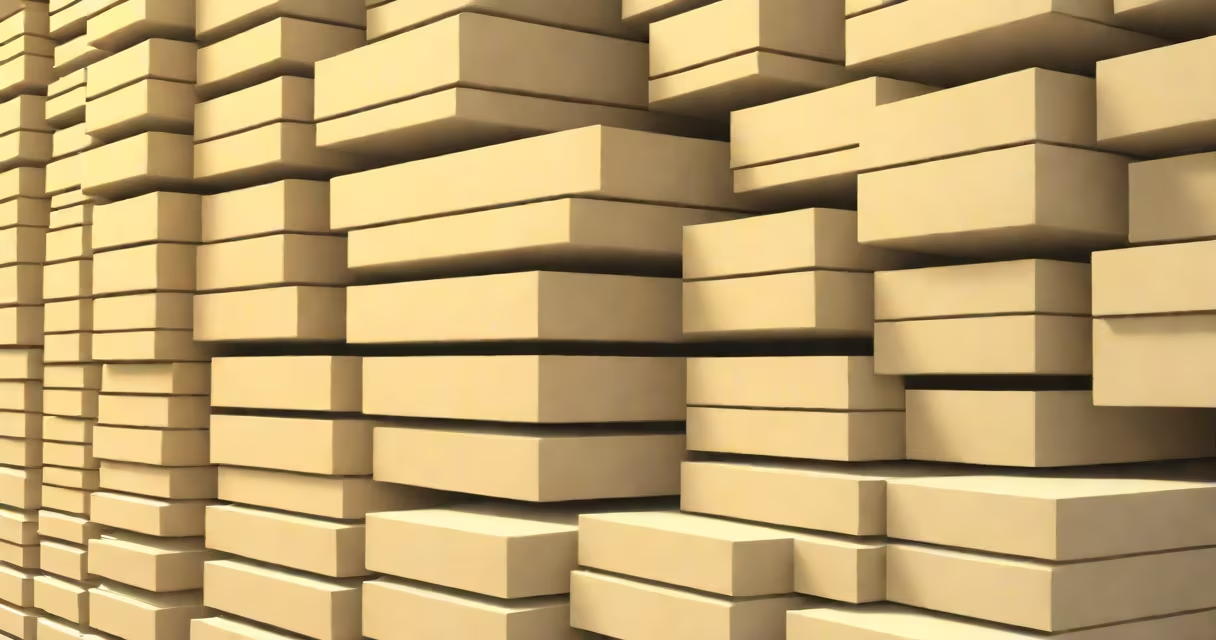
Gypsum wall board is a panel made from calcined gypsum plaster encased between two layers of paper. It is widely used in residential and commercial buildings to create smooth, flat interior walls and ceilings. The material is installed quickly, provides fire resistance, and serves as a base for paint, wallpaper, or finishes.
Manufactured from calcium sulfate dihydrate, gypsum wall board is formed by mixing raw gypsum with water and additives, then pouring the slurry onto a continuous sheet of liner paper. A second layer of paper is applied on top, and the panel is dried in large ovens. The resulting product is rigid, lightweight, and easy to cut and install.
The standard size is 4 feet wide by 8 or 12 feet long, with thicknesses ranging from 1/2 inch to 5/8 inch. Thicker panels offer better sound insulation and fire resistance. Panels are available in moisture-resistant (green board), fire-resistant (Type X), and mold-resistant versions for specific environments.
Gypsum wall board functions as a structural and aesthetic component in interior construction. Its core, composed of gypsum, naturally resists fire because it releases water vapor when exposed to high heat, slowing flame spread. This property makes it a key element in meeting building code requirements for fire separation between rooms.
Installation involves securing the panels to metal or wood framing using screws or nails. Screws are preferred because they provide better holding strength and reduce the risk of popping (surface cracking). Once fastened, joints between panels are taped and covered with joint compound, which is sanded smooth after drying. A single coat takes about 24 hours to cure under normal conditions.
After finishing, the surface is ready for painting or wallpaper application. A typical residential room requires 6 to 8 sheets of 4x8-foot board, depending on ceiling height and layout. Labor time averages 1.5 to 2 hours per 100 square feet for experienced installers.
Not all gypsum wall board is the same. Different types serve distinct purposes based on environmental demands and performance needs.
| Type | Use Case | Key Feature | Code Requirement |
|---|---|---|---|
| Standard (white) | General interior walls | Basic fire and sound resistance | IBC 2021 R302.2.1 |
| Moisture-resistant (green) | Bathrooms, basements | Water-resistant core, mold inhibitor | IRC 2021 R313.3.1 |
| Fire-resistant (Type X) | Walls separating living spaces | Extra gypsum density, glass fiber reinforcement | IBC 2021 R302.2.2 |
| Mold-resistant (blue) | High-humidity areas | Antimicrobial treatment, sealed edges | ASHRAE 62.1-2022 |
For example, Type X panels are required in walls separating bedrooms from hallways in multi-family dwellings. They must achieve a 1-hour fire rating when installed with proper joint treatment and framing. A single 4x8-foot panel weighs approximately 50 pounds, making it manageable for two workers to handle safely.
Gypsum wall board is often mistaken for other materials due to similar appearance or function. It is not the same as plaster, which is applied wet and dries slowly. Plaster requires skilled tradespeople and takes days to finish, while gypsum wall board is factory-made and installed in hours.
Another frequent error is confusing gypsum wall board with Sheetrock. Sheetrock is a brand name owned by USG Corporation. All Sheetrock products are gypsum wall board, but not all gypsum wall board is Sheetrock. Using "Sheetrock" as a generic term is technically incorrect, though widespread in trade conversations.
A lesser-known fact: gypsum wall board contains about 20% water by weight during manufacturing. This moisture is released during curing, contributing to its fire resistance. According to the National Fire Protection Association (NFPA), this release delays ignition by up to 15 minutes in standard tests, improving occupant safety.
In a 2020 renovation of a 1,200-square-foot home in Portland, Oregon, a contractor replaced old lath-and-plaster walls with 1/2-inch standard gypsum wall board. The project involved removing existing drywall, installing steel studs for new partition walls, and hanging 18 sheets of board across 12 walls and two ceilings.
Each sheet was secured with 12 screws spaced 12 inches apart along the framing. Joints were taped with fiberglass mesh tape and coated with three layers of joint compound. After sanding, the surface was primed and painted. Total labor time: 48 hours. Material cost: $1,350 for 18 sheets at $75 each, including delivery.
When finished, the walls met local code standards for sound transmission class (STC) 35 and fire resistance. The homeowner reported improved acoustics and faster drying times compared to previous plaster work.
During the job, the team discovered that a batch of green board had absorbed moisture from a leaking roof above. The panel warped within 24 hours. This confirmed that moisture-resistant boards are not waterproof - they resist humidity, not standing water. The affected panels were replaced before finishing.
Gypsum wall board remains the most efficient and cost-effective solution for interior surfaces in modern construction. Its standardized dimensions, predictable performance, and compatibility with finishes make it ideal for both new builds and renovations. Always verify the correct type for your environment - using standard board in a basement shower area leads to mold growth and premature failure.