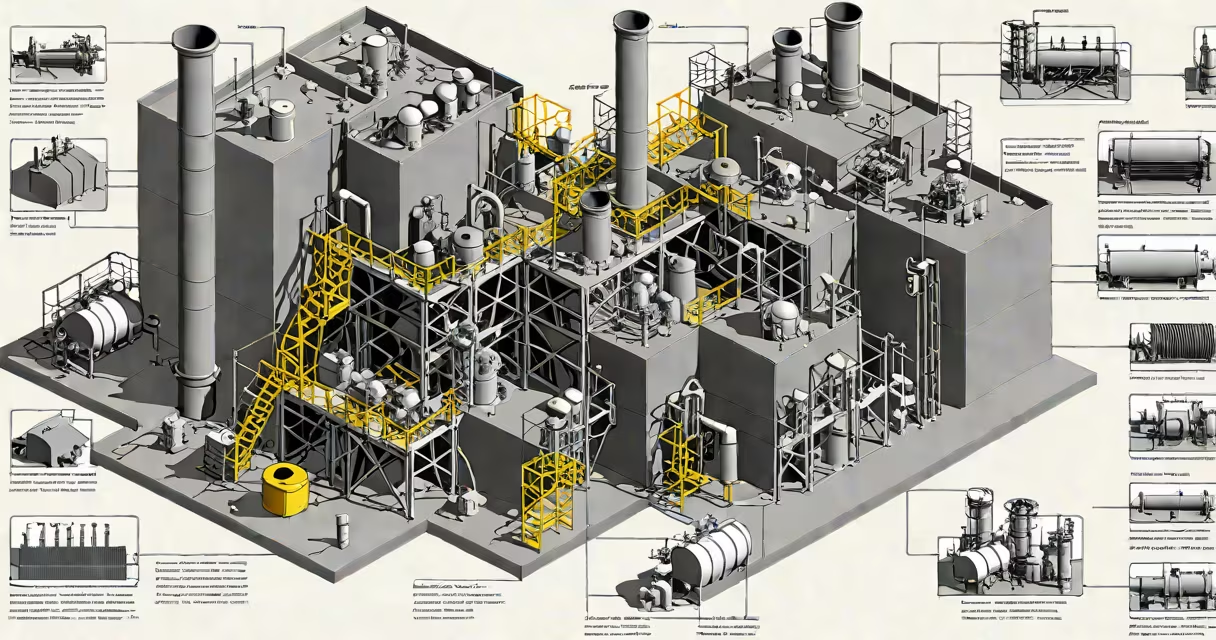
Coal generates electricity by burning to produce heat, which turns water into high-pressure steam that spins a turbine connected to a generator. This mechanical energy converts into electrical energy via electromagnetic induction. The process occurs in a thermal power plant using a closed-loop system.
Coal is a fossil fuel formed over millions of years from compressed plant material. When burned, it releases stored chemical energy as heat. Power plants capture this heat to boil water in a boiler, creating steam. The steam expands through a turbine, forcing blades to spin. That rotation drives a generator, producing alternating current (AC) electricity. After exiting the turbine, steam is cooled and condensed back into water, then recycled through the boiler.
Modern coal plants operate at 33-40% efficiency, meaning roughly one-third of the coal's energy becomes usable electricity. The rest is lost as waste heat. The U.S. Energy Information Administration (EIA) reports that coal accounted for 19% of U.S. electricity generation in 2023, down from 50% in 2005 due to competition from natural gas and renewables.
Electricity generation from coal begins with mining and transporting the fuel to a power station. Once delivered, coal is crushed into fine powder to increase surface area for efficient combustion. This powder is blown into a furnace where it burns at temperatures exceeding 1,400°C (2,550°F).
The intense heat from combustion transfers to water flowing through metal tubes inside a boiler. The water absorbs heat and transforms into steam under pressure-typically around 150 atmospheres. High-pressure steam travels through pipes to a turbine chamber. There, it hits angled blades arranged around a central shaft, causing the turbine to spin rapidly-up to 3,600 revolutions per minute.
The spinning turbine is mechanically linked to a rotor inside a generator. As the rotor spins within a magnetic field created by electromagnets, it induces an electric current in copper coils surrounding it. This process, known as electromagnetic induction, produces AC electricity at 50 or 60 Hz, depending on the region. The generated electricity is stepped up in voltage via transformers before being sent onto the transmission grid.
A coal-fired power plant relies on several core systems working in sequence:
Materials used include alloy steel for boilers and turbine casings, copper for wiring, and refractory bricks to line furnaces. The control systems rely on programmable logic controllers (PLCs) and supervisory control and data acquisition (SCADA) software to monitor flow rates, temperatures, and emissions in real time.
There are two primary configurations for coal-based power stations: subcritical and supercritical. Supercritical plants operate above the critical point of water (374°C, 221 bar), allowing higher efficiency and lower emissions.
| Type | Operating Pressure | Efficiency Range | Example Location |
|---|---|---|---|
| Subcritical | Less than 221 bar | 33-37% | Wabash River Plant, Indiana |
| Supercritical | 221-300 bar | 38-42% | Shanghai Shidongkou Power Station, China |
| Ultra-supercritical | 300+ bar | 42-45% | Yan'an Power Plant, China |
Supercritical plants reduce CO₂ emissions by 10-15% compared to older subcritical units. China leads in ultra-supercritical deployment, with over 100 such units online as of 2023, according to the International Energy Agency (IEA).
Many assume coal plants generate electricity directly from burning coal. In reality, combustion only provides heat. The actual electricity comes from the movement of electrons in a wire, induced by a rotating magnetic field in the generator.
Another misconception is that all coal plants emit equal pollution. In fact, newer facilities equipped with scrubbers and filters remove over 90% of sulfur dioxide (SO₂) and 99% of particulate matter. The Clean Air Act Amendments of 1990 mandated these controls, reducing SO₂ emissions from U.S. power plants by 88% between 1990 and 2020, per EPA data.
Some believe coal is obsolete. While declining in many countries, coal still powers 38% of global electricity demand. India and Indonesia have expanded coal capacity since 2020, driven by rising domestic energy needs and infrastructure gaps.
Located near Page, Arizona, this 2,250 MW plant operated from 1963 until its closure in 2019. It used subcritical technology and consumed approximately 1 million tons of coal annually. Each ton produced about 2.2 metric tons of CO₂. Over its lifetime, it emitted 4.2 billion metric tons of carbon dioxide.
When operational, the plant supplied power to seven states and supported 300 jobs. Its shutdown led to a 12% drop in regional coal generation but also triggered investments in solar projects, including the 200 MW Red Butte Solar Facility nearby. The site is now being repurposed for renewable energy storage and hydrogen production.
Coal-generated electricity is not the same as nuclear or solar power. Nuclear plants use fission to create heat, while solar photovoltaic cells convert sunlight directly into electricity without moving parts. Coal plants require continuous fuel supply and produce significant emissions during operation.
It is also distinct from hydroelectric or wind power, which depend on natural flows or wind patterns. Coal plants can run continuously regardless of weather, making them baseload providers. However, they lack the low-carbon profile of renewables.
I once toured a decommissioned coal plant in Ohio and watched the turbine shaft still show signs of wear after decades of 3,600 RPM operation. The sheer scale of the machinery-over 100 feet tall, weighing thousands of tons-left me with a visceral sense of how much energy is packed into a single ton of coal.