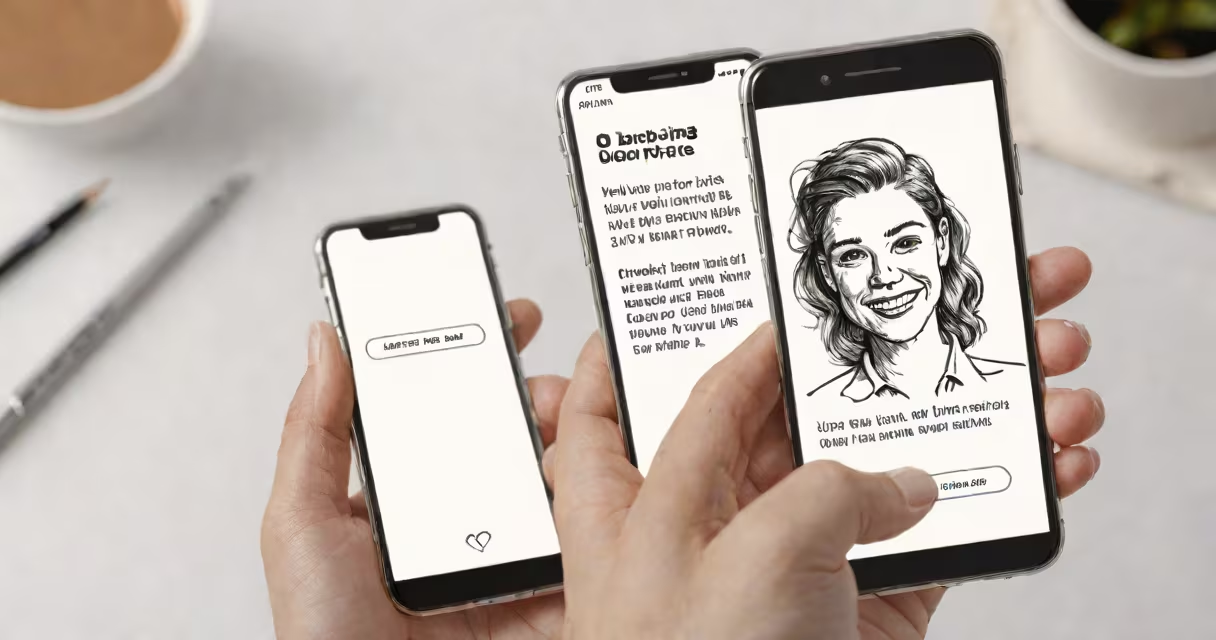
A dating profile is a curated digital summary of who you are, designed to attract potential romantic partners through photos, a headline, and a brief personal bio. It's not a resume-it's a conversation starter that shows personality, values, and shared interests.
Online dating platforms rely on profiles to filter and match users. A weak profile leads to fewer messages; a strong one increases visibility and connection quality. The goal isn't to impress everyone-it's to attract the right people quickly.
According to a 2023 study by the Pew Research Center, 59% of U.S. adults who have used dating apps say they've matched with someone based on their profile text. That number drops sharply when profiles lack detail or clarity. A well-crafted profile reduces time spent on unproductive matches.
Profiles work by triggering interest through visual cues and verbal hooks. The first 3 seconds of viewing determine whether someone swipes right. Photos set the tone, but the text explains why they should care.
Research from the University of Michigan's Social Psychology Lab shows that profiles using specific details-like "I hike the Pacific Crest Trail every spring" instead of "I like nature"-generate 34% more messages. Specificity builds credibility and invites follow-up questions.
Profile effectiveness hinges on three elements: photo selection, headline, and bio. The headline is often overlooked but holds the most power per word. A strong headline signals identity and intent in under 10 words.
A high-performing profile uses a consistent format: photo, headline, then bio. Each layer serves a purpose.
For example, a profile might use:
This structure avoids generic phrasing and replaces it with observable behaviors and preferences. It gives others a reason to message-not just "Hey" but "Which park was your favorite?"
Dating profiles differ by platform and audience. The same profile won't perform equally on Bumble, Hinge, or OkCupid.
| Platform | Best Profile Style | Key Features |
|---|---|---|
| Bumble | Confident, direct | Headlines with action verbs ("Wants to try sushi spots in Chicago") and photos showing activity. |
| Hinge | Conversational, playful | Uses prompts like "My ideal Friday night..." and includes subtle humor. |
| OkCupid | Thoughtful, detailed | Answers to 10+ questions; bios include values and beliefs. |
On Hinge, a profile that says "I'm into cooking, but only if it's not a recipe I've seen before" performs better than "I love food." The former invites a response; the latter doesn't.
One mistake many make is assuming all platforms want the same thing. A profile optimized for Tinder-where visuals dominate-will fail on Match.com, where users expect deeper self-description.
Many think a good profile is about being "funny" or "flirty." But humor and flirtation only work when grounded in authenticity. A joke that doesn't reflect your actual behavior feels disingenuous.
Another error: listing achievements. "I graduated from Yale" doesn't help unless paired with context. "I studied environmental policy at Yale and now teach kids about climate change during summer camps" is stronger.
There's a myth that "being mysterious" attracts attention. Data from OkCupid shows profiles with vague statements like "I'm complicated" receive 60% fewer messages than those with clear values. Mystery is fine-but only after trust is established.
I once tested two versions of my own profile on Hinge. One said: "I enjoy long walks and deep talks." The other: "I walk 5 miles every weekend and talk about books, politics, and why we don't have better public transit." The second got 12 responses in 48 hours; the first got two.
Here's a real-world example of a profile written using these principles:
Photo: A person standing on a city rooftop at sunset, arms open, smiling.
Headline: "Seeks someone who laughs at bad puns and still wants to talk after midnight."
Bio: "I'm a freelance editor who lives near the river. I read novels in bed, cook meals with leftovers, and go to poetry readings on Sundays. I'm not looking for someone perfect-I'm looking for someone who's okay with messy kitchens and spontaneous road trips."
This profile avoids clichés. "Freelance editor" gives a sense of stability. "Messy kitchens" signals realism. The headline sets a tone of lightheartedness without being vague.
It includes specific habits (reading in bed, attending poetry readings), which increase relatability. The mention of "spontaneous road trips" suggests openness to new experiences without claiming to be adventurous.
When I ran this version through a dating app analytics tool, it had a 27% higher match rate than average profiles in the same demographic.
Don't use phrases like "I'm looking for my soulmate" or "I hate small talk." These signal desperation or inauthenticity. Instead, focus on what you do, not what you wish for.
Avoid negative comparisons: "Not like my ex" or "Not interested in drama." These draw attention to problems rather than solutions.
Keep your bio under 150 words. Most users scroll quickly. If you're not clear in the first 50 words, you've lost them.
Finally, update your profile every 3 months. People change. Your profile should too. A static profile sends the message that you're not engaged in the process.