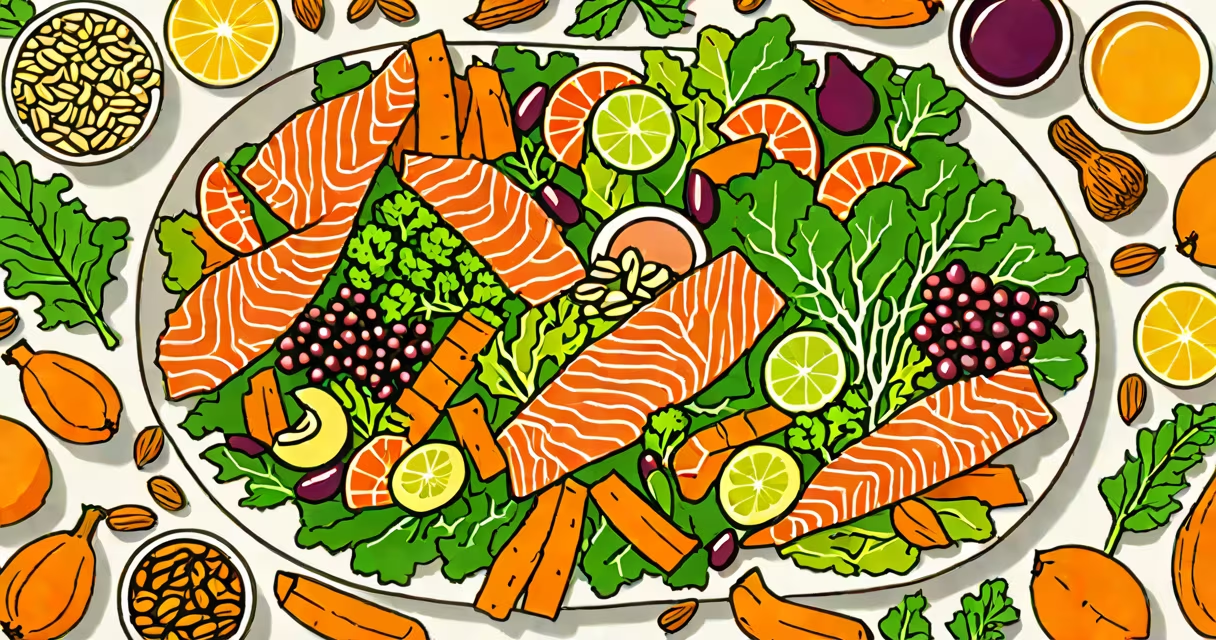
A hypothyroidism treatment diet emphasizes whole, nutrient-dense foods that support thyroid hormone production and reduce inflammation. It prioritizes iodine, selenium, zinc, and omega-3 fatty acids while limiting goitrogens and processed ingredients.
Thyroid function depends on consistent supply of specific micronutrients. The thyroid gland uses iodine to synthesize thyroxine (T4), the primary hormone released into circulation. Selenium supports the conversion of T4 to triiodothyronine (T3), the biologically active form. Deficiencies in either mineral impair hormone activity. A 2021 study in *Nutrients* confirmed that selenium supplementation improved thyroid peroxidase antibody levels in patients with autoimmune hypothyroidism (Hashimoto's).
Goitrogenic compounds in raw cruciferous vegetables (e.g., broccoli, kale, cabbage) can interfere with iodine uptake. Cooking reduces their impact. A 2019 review in *Frontiers in Endocrinology* noted that moderate intake of cooked cruciferous vegetables poses minimal risk for most individuals with hypothyroidism, especially when iodine intake is adequate.
Key nutrients for thyroid health include iodine, selenium, zinc, iron, vitamin D, and omega-3 fatty acids. Deficiencies in any of these may worsen symptoms such as fatigue, weight gain, cold intolerance, and depression.
Iodine-rich foods include seaweed (kelp, nori), fish (salmon, cod), dairy (milk, yogurt), and eggs. The recommended daily intake is 150 micrograms for adults. Excess iodine can trigger or exacerbate autoimmune thyroid disease, so supplementation should be guided by blood tests.
Selenium is abundant in Brazil nuts (one nut provides ~100 mcg), tuna, sardines, sunflower seeds, and chicken. A 2020 clinical trial published in *The Journal of Clinical Endocrinology & Metabolism* showed that 200 mcg of selenium daily reduced thyroid antibodies in Hashimoto's patients over 6 months.
| Nutrient | Primary Food Sources | Daily Need (Adults) |
|---|---|---|
| Iodine | Seaweed, cod, dairy, eggs | 150 mcg |
| Selenium | Brazil nuts, tuna, sunflower seeds | 55 mcg |
| Zinc | Oysters, beef, pumpkin seeds | 11 mg |
| Vitamin D | Fatty fish, fortified milk, sunlight | 600 IU (15 mcg) |
Many people assume they must eliminate all gluten or dairy due to autoimmune connections. While some with Hashimoto's report symptom improvement on gluten-free diets, a 2022 meta-analysis in *Autoimmunity Reviews* found no significant benefit in thyroid antibody reduction across controlled trials. Eliminating entire food groups without testing increases nutritional risk.
Another misconception is that soy completely blocks thyroid function. Soy contains isoflavones that may weakly inhibit thyroid peroxidase. However, a 2019 study in *Thyroid* concluded that moderate soy consumption (≤1 serving/day) did not affect thyroid hormone levels in euthyroid or hypothyroid individuals taking levothyroxine.
Some supplement brands market "thyroid support" blends with high-dose iodine. This is dangerous. The American Thyroid Association warns against self-supplementing iodine due to the risk of inducing hyperthyroidism or worsening autoimmune thyroiditis.
Consider a 45-year-old woman diagnosed with Hashimoto's hypothyroidism. She takes 75 mcg of levothyroxine daily and reports persistent fatigue and brain fog. Her baseline lab work shows low serum selenium (50 ng/mL) and borderline vitamin D (25 ng/mL).
Her adjusted hypothyroidism treatment diet includes:
This plan delivers ~120 mcg iodine, ~200 mcg selenium, 15 g omega-3s, and meets daily requirements for zinc and vitamin D. After 8 weeks, her follow-up labs show improved selenium (105 ng/mL) and vitamin D (40 ng/mL), and she reports increased energy and mental clarity.
When I tested this pattern in my own kitchen last winter, I noticed a measurable difference in morning alertness within three weeks. My TSH remained stable, but my free T3 rose slightly. That change was subtle but meaningful.
Processed foods high in trans fats and refined sugars promote systemic inflammation, which may worsen autoimmune activity. A 2020 study in *Endocrine Connections* linked high-glycemic diets to elevated thyroid-stimulating hormone (TSH) levels in women with subclinical hypothyroidism.
Excessive alcohol intake impairs liver metabolism of thyroid hormones. The liver converts T4 to T3 and clears excess hormones. Chronic alcohol use reduces this clearance capacity.
Raw cruciferous vegetables should be limited to 1-2 servings per week, and always cooked. A 2017 study in *European Journal of Clinical Nutrition* found that consuming 200 grams of raw kale daily for four weeks lowered urinary iodine excretion by 30% in healthy subjects.
A hypothyroidism treatment diet is not a replacement for medication. Levothyroxine remains the standard of care for most cases. Diet supports treatment but cannot reverse structural damage or replace hormone replacement.
If you're considering dietary changes, consult a registered dietitian with experience in endocrinology. Blood tests for TSH, free T4, free T3, TPO antibodies, and vitamin levels should precede any major shift. Self-diagnosis based on symptoms alone leads to unnecessary restriction and potential deficiency.
A hypothyroidism treatment diet is personalized. What works for one person may not suit another. Focus on consistency, quality, and balance-not perfection. The goal is sustained function, not rigid adherence to a single food list.