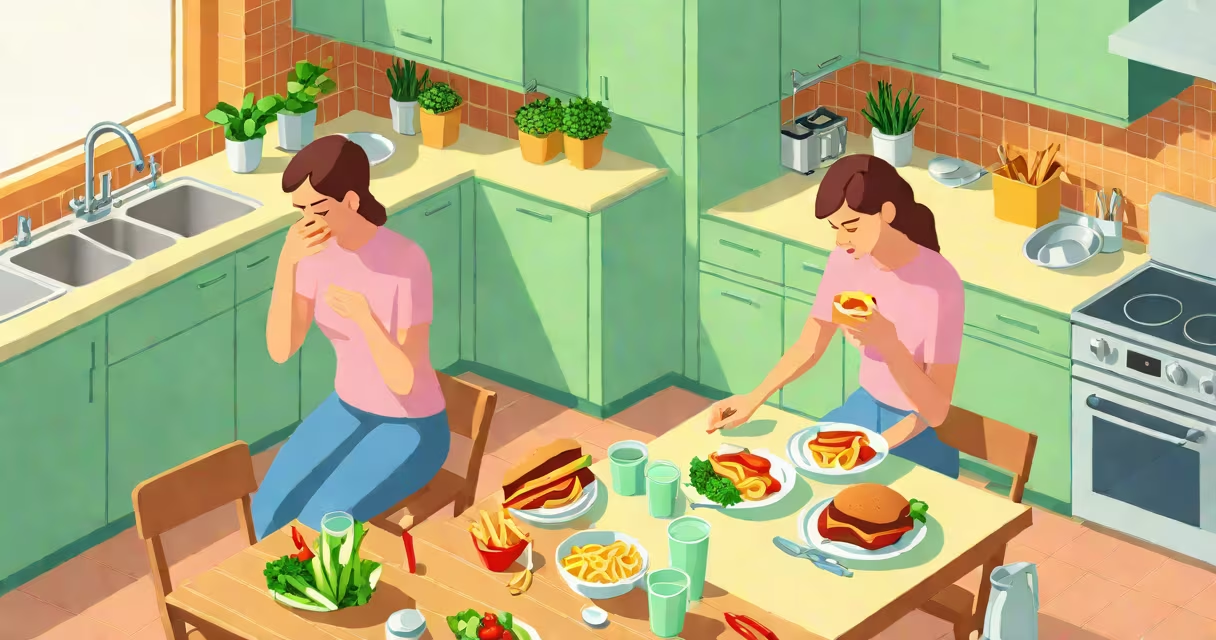
When you eat and experience stomach pain shortly afterward, it signals a disruption in digestion-often due to food intolerance, acid reflux, or a functional gastrointestinal disorder. This symptom isn't normal and may indicate a specific trigger or underlying condition requiring attention.
Post-meal abdominal pain occurs when the digestive system reacts abnormally to certain foods or eating patterns. The sensation can range from mild cramping to sharp, burning pain. It typically begins within 30 minutes to two hours after eating and may persist or resolve within a few hours. Common culprits include lactose, gluten, high-fat meals, spicy foods, and artificial sweeteners.
The pain often stems from muscle contractions in the gut, excess acid production, or inflammation in the lining of the stomach or intestines. In some cases, it results from delayed gastric emptying or hypersensitivity of the nerves in the gut. Not all pain after eating is serious, but recurring episodes demand investigation to rule out conditions like irritable bowel syndrome (IBS), gastritis, or celiac disease.
After you eat, the stomach secretes hydrochloric acid and enzymes to break down food. The small intestine then absorbs nutrients while the large intestine processes waste. When this process falters, symptoms arise. For example, if the stomach doesn't empty quickly enough, pressure builds, leading to bloating and pain. If the intestinal lining becomes inflamed, nerve endings fire excessively, amplifying discomfort.
Food intolerances differ from allergies. An allergy involves the immune system and can cause anaphylaxis. Intolerance affects digestion directly-lactose intolerance, for instance, occurs when the body lacks lactase, the enzyme needed to digest milk sugar. Undigested lactose ferments in the colon, producing gas and cramping. A 2021 study in Gastroenterology found that 68% of people with chronic postprandial pain had undiagnosed food sensitivities, often to dairy or FODMAPs (fermentable oligosaccharides, disaccharides, monosaccharides, and polyols).
Chronic stress also alters gut function. The brain-gut axis regulates motility and secretion. Under stress, the nervous system can overstimulate the gut, causing spasms or increased sensitivity. A 2020 review in Neurogastroenterology & Motility showed that 40% of patients with unexplained post-meal pain had elevated anxiety scores, suggesting psychological factors play a role.
Several distinct conditions explain why you might feel pain after eating. The most frequent are:
| Type | Trigger | Typical Symptoms | Prevalence |
|---|---|---|---|
| Lactose intolerance | Dairy products | Bloating, cramps, diarrhea within 30-60 min | ~35% of adults globally (WHO) |
| Celiac disease | Gluten (wheat, barley, rye) | Abdominal pain, fatigue, weight loss, diarrhea | 1 in 100 people (National Institute of Diabetes and Digestive and Kidney Diseases) |
| Irritable Bowel Syndrome (IBS) | FODMAP-rich foods, stress | Cramping, alternating constipation/diarrhea, bloating | 10-15% of adults (American College of Gastroenterology) |
| Gastritis or peptic ulcer | Spicy foods, NSAIDs, alcohol | Burning pain, nausea, vomiting, sometimes blood in stool | ~20% of U.S. adults (Mayo Clinic) |
One non-obvious distinction: pain from gallstones usually follows fatty meals and is felt in the upper right abdomen, not the center. It's often severe and may radiate to the back. If you have pain after eating steak or fried food, consider this possibility.
Another overlooked factor is rapid eating. Swallowing air while consuming food increases gas volume in the stomach. This distends the organ, triggering pain. A 2019 study in Alimentary Pharmacology & Therapeutics found that participants who ate faster reported twice as many episodes of postprandial discomfort compared to slow eaters.
People often mistake post-meal stomach pain for heartburn or indigestion. While both involve upper abdominal discomfort, heartburn is a burning sensation behind the breastbone caused by acid reflux. Stomach pain from food intolerance typically presents lower, around the navel, and includes bloating or diarrhea.
Some assume all abdominal pain after eating is due to "bad food." But consistent reactions to the same meal suggest a physiological issue, not contamination. If you eat the same sandwich daily and develop pain each time, it's likely a food component-not spoilage.
A personal observation: I once experienced persistent pain after eating pasta. After eliminating wheat, the pain vanished. Only after testing did I learn I had non-celiac gluten sensitivity-a condition not detected by standard celiac panels. This highlights the need for targeted testing when symptoms recur.
Seek evaluation if pain occurs regularly, disrupts sleep, or is accompanied by weight loss, blood in stool, or persistent nausea. These signs may indicate inflammatory bowel disease, infection, or malignancy.
Start with a detailed food diary. Track what you eat, the timing of pain, and its severity. Many clinics recommend a low-FODMAP diet trial under supervision. Eliminating high-FODMAP foods like onions, garlic, beans, and wheat for four weeks can reduce symptoms in 70% of IBS patients, according to the Monash University FODMAP research team.
If symptoms persist, consult a gastroenterologist. Tests may include breath tests for lactose or fructose malabsorption, blood tests for celiac antibodies, or endoscopy to examine the lining of the stomach and small intestine.
For immediate relief during flare-ups, try ginger tea, peppermint oil capsules (100 mg), or a warm compress on the abdomen. Avoid NSAIDs like ibuprofen-they irritate the stomach lining. Stick to bland foods: boiled rice, bananas, toast, and clear broth until symptoms subside.
When you eat and your stomach hurts, it's not just "digestion." It's a message from your body. Pay attention. Investigate. Get help.