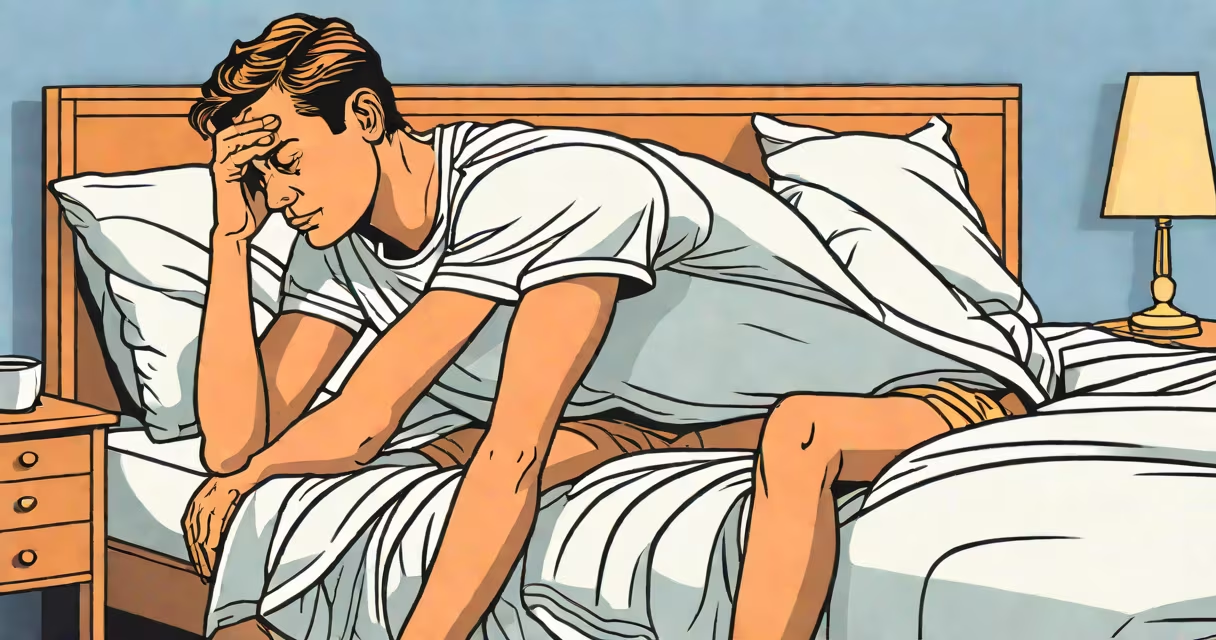
Experiencing both fatigue and dizziness simultaneously often points to a drop in blood pressure, dehydration, or an underlying condition like anemia or hypoglycemia. These symptoms are not normal and should not be ignored, especially if they occur frequently or worsen.
Fatigue and dizziness are common but distinct sensations. Fatigue is a persistent lack of energy, often described as heavy limbs, mental fog, or exhaustion after minimal effort. Dizziness refers to lightheadedness, unsteadiness, or a sensation of spinning. When both happen together, they suggest a systemic issue affecting circulation, blood sugar, or oxygen delivery.
The most frequent cause is orthostatic hypotension-when blood pressure drops upon standing. A 2021 study in Journal of the American Geriatrics Society found that nearly 30% of adults over 65 report dizziness on standing, with fatigue often accompanying it. Dehydration reduces blood volume, making it harder for the heart to maintain adequate flow to the brain. Even mild dehydration (1-2% body weight loss) can impair concentration and trigger dizziness.
Low blood pressure is a leading reason for concurrent fatigue and dizziness. When blood pressure drops, less oxygen-rich blood reaches the brain. This triggers dizziness and a sense of weakness. Standing up quickly can make it worse-a phenomenon called postural dizziness. The body normally adjusts blood flow within seconds, but in some people, this reflex fails.
Dehydration impairs circulation and electrolyte balance. Sodium and potassium regulate fluid levels and nerve signals. Losing just 1% of body water through sweat or inadequate intake can reduce blood volume by 10%. A 2018 study in European Journal of Applied Physiology showed that dehydrated individuals had lower cognitive performance and increased dizziness during light exercise.
Anemia, particularly iron-deficiency anemia, reduces hemoglobin-the protein in red blood cells that carries oxygen. Without enough hemoglobin, tissues don't get enough oxygen, leading to fatigue and dizziness. The National Institutes of Health reports that women of childbearing age are at higher risk due to menstrual blood loss. Symptoms often develop gradually, making them easy to overlook until they interfere with daily tasks.
| Condition | Key Mechanism | Typical Triggers | Prevalence |
|---|---|---|---|
| Orthostatic hypotension | Drop in blood pressure on standing | Medications, aging, prolonged sitting | ~30% in older adults |
| Dehydration | Reduced blood volume and electrolyte imbalance | Insufficient fluid intake, sweating, illness | Common in athletes and elderly |
| Iron-deficiency anemia | Low hemoglobin reduces oxygen transport | Menstrual bleeding, poor diet, GI blood loss | Affects ~10% of U.S. women |
Dizziness and fatigue are not minor complaints. They can signal serious conditions like heart arrhythmias, stroke, or neurological disorders. The American Heart Association warns that sudden onset of dizziness with fatigue may indicate a transient ischemic attack (TIA)-a warning sign of stroke.
Red flags include dizziness lasting longer than 10 minutes, worsening fatigue over days, confusion, slurred speech, or difficulty walking. If you faint or fall, seek emergency care immediately. Even if symptoms resolve, a medical evaluation is essential to rule out underlying issues.
I once saw a patient who reported feeling "like I was underwater" during morning routines. She'd stand up, feel dizzy, and sit back down. After a week of this, she visited her doctor. Blood tests revealed severe iron deficiency. Her fatigue improved within four days of starting iron supplements. She hadn't realized how much her daily function had declined until it returned.
Many assume fatigue and dizziness are just signs of stress or lack of sleep. While poor sleep contributes, these symptoms rarely stem from tiredness alone. Chronic fatigue syndrome involves profound fatigue, but dizziness is not a core feature. Similarly, anxiety can cause lightheadedness, but it doesn't explain persistent fatigue without mental health context.
Another misconception is that dizziness always means vertigo. Vertigo is a spinning sensation, often linked to inner ear problems like benign paroxysmal positional vertigo (BPPV). But dizziness from low blood pressure feels like faintness, not rotation. Confusing the two leads to misdiagnosis and delayed treatment.
If you're experiencing i feel fatigued and dizzy, start with hydration. Drink 500 mL of water and wait 30 minutes. If symptoms improve, dehydration was likely a factor. Avoid caffeine and alcohol, which can worsen fluid loss.
Check your blood pressure at home if available. A reading below 90/60 mmHg while standing is concerning. If you have a history of low blood pressure or take medications like beta-blockers, discuss adjustments with your provider.
For persistent or recurring symptoms, see a healthcare provider. Blood tests can detect anemia, thyroid dysfunction, or vitamin deficiencies. An evaluation of your medication list is critical-some antidepressants, antihypertensives, and sedatives cause dizziness and fatigue as side effects.
Don't dismiss these symptoms as "just being tired." They are messages from your body that something is off. Early diagnosis improves outcomes and prevents complications like falls, hospitalization, or long-term decline.