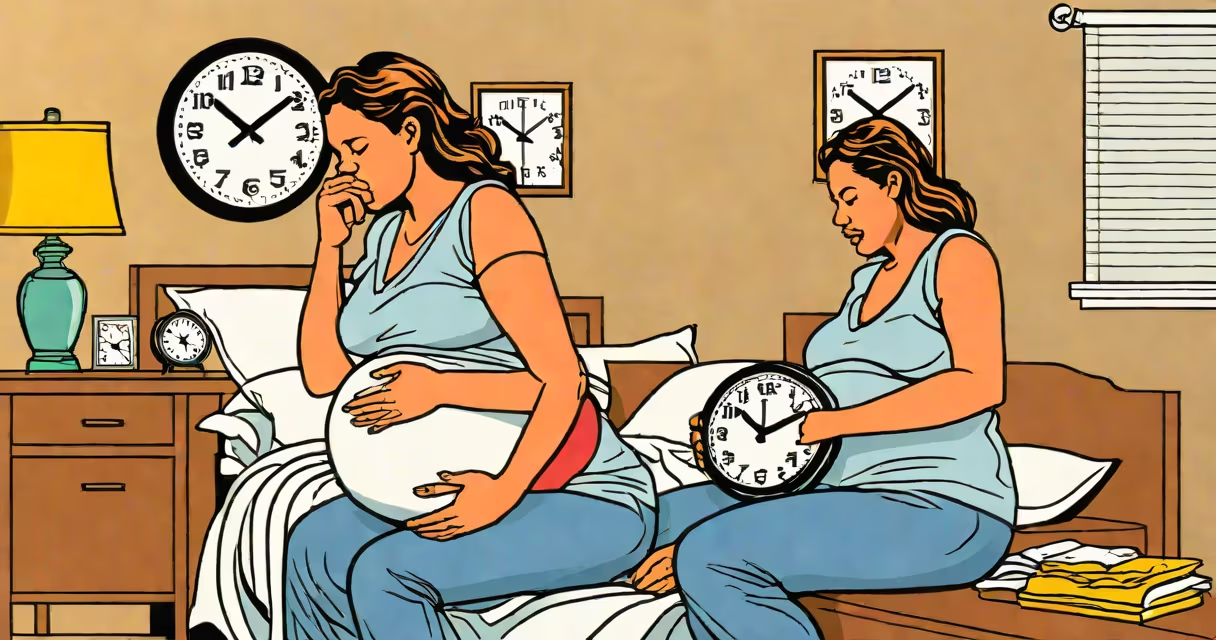
Diarrhea and vomiting can occur during late pregnancy and may signal the onset of labor, particularly when they happen within 24 hours of contractions or water breaking. These symptoms are not typical of early pregnancy nausea but may indicate the body's preparation for delivery through hormonal shifts and pelvic changes.
While not everyone experiences them, gastrointestinal disturbances like loose stools and nausea are reported by 15-20% of women in the final weeks of pregnancy, according to the American College of Obstetricians and Gynecologists (ACOG). They result from increased prostaglandins-hormones that stimulate uterine contractions and also affect intestinal motility. This dual action explains why some women feel the urge to evacuate their bowels shortly before labor begins.
True labor-related diarrhea typically occurs with regular contractions, lower back pain, or cervical changes. Vomiting is less common but may happen due to stress, dehydration, or intense uterine activity. Distinguishing these symptoms from foodborne illness or viral gastroenteritis is critical-especially if fever, blood in stool, or severe cramping accompanies them.
Prostaglandins, which peak near term, play a direct role in both labor initiation and gut motility. Levels rise in the cervix and amniotic fluid, triggering uterine contractions and accelerating bowel movements. A 2021 study published in Obstetrics & Gynecology found that women who experienced diarrhea within 12 hours of labor onset had higher levels of urinary prostaglandin E2 than those who did not.
For example, a woman at 39 weeks gestation may report watery diarrhea six hours before her first contractions begin. She notes that the episodes were frequent, lasted 30 minutes each, and occurred every 15 minutes-consistent with early labor patterns. After two hours, she feels pressure in her pelvis and notices a mucus plug. Her doctor later confirmed that labor began within 90 minutes of the first bowel movement.
Unlike morning sickness, which usually resolves by week 12, labor-related GI symptoms appear suddenly in the third trimester. They often last only a few hours and resolve once contractions begin or the baby is born. Persistent diarrhea beyond 24 hours or repeated vomiting should prompt evaluation for infection or preterm labor.
Diarrhea and vomiting during late pregnancy are most frequently linked to labor itself, but other conditions can mimic them. Food poisoning, norovirus, or bacterial infections cause sudden onset, fever, and bloody stools-symptoms absent in true labor-related cases. Dehydration from prolonged vomiting can lead to dizziness or reduced urine output, signaling a need for medical attention.
Key differences include:
| Symptom | Labor-Related | Infection or Food Poisoning |
|---|---|---|
| Onset | Gradual, within 24 hours of contractions | Sudden, often after eating |
| Fever | Uncommon | Common |
| Blood in stool | Rare | Possible |
| Duration | Short, resolves with labor | Can last 24-72 hours |
Some women report diarrhea as a sign of "pre-labor cleansing," a phenomenon where the body clears the digestive tract to make room for the baby. While not scientifically verified, anecdotal reports from childbirth educators suggest that women who experience this often go into labor within 12-24 hours.
Diarrhea and vomiting are not dangerous in themselves if they occur alongside regular contractions and no other red flags. However, if they persist beyond 24 hours, are accompanied by fever (>100.4°F), severe abdominal pain, or decreased fetal movement, contact your provider immediately.
Dehydration is a real risk. Losing more than 1 liter of fluid through vomiting or diarrhea can reduce amniotic fluid volume and trigger preterm labor. Signs include dry mouth, dark urine, dizziness, and fatigue. Rehydration with oral electrolyte solutions like Pedialyte or clear broths is recommended until care is available.
One woman at 38 weeks experienced persistent vomiting and diarrhea for 18 hours. She was admitted to the hospital with mild dehydration and treated with IV fluids. Her labor did not start until 36 hours later, suggesting the symptoms were unrelated to labor onset. This case highlights the importance of differential diagnosis.
If you're experiencing diarrhea and vomiting along with regular contractions (every 5 minutes or less), back pain, or a change in vaginal discharge, prepare to go to the hospital. Time your contractions and note any fluid leakage. Keep a list of medications and allergies handy.
Staying hydrated is essential. Sip water, ginger tea, or electrolyte drinks between episodes. Avoid greasy, spicy, or high-fiber foods that may worsen diarrhea. Light walking may help ease discomfort and encourage cervical dilation.
Diarrhea and vomiting are not definitive signs of labor, but when paired with other symptoms, they may mark the beginning of active labor. Monitor your body closely, trust your instincts, and reach out to your healthcare team if uncertainty arises.