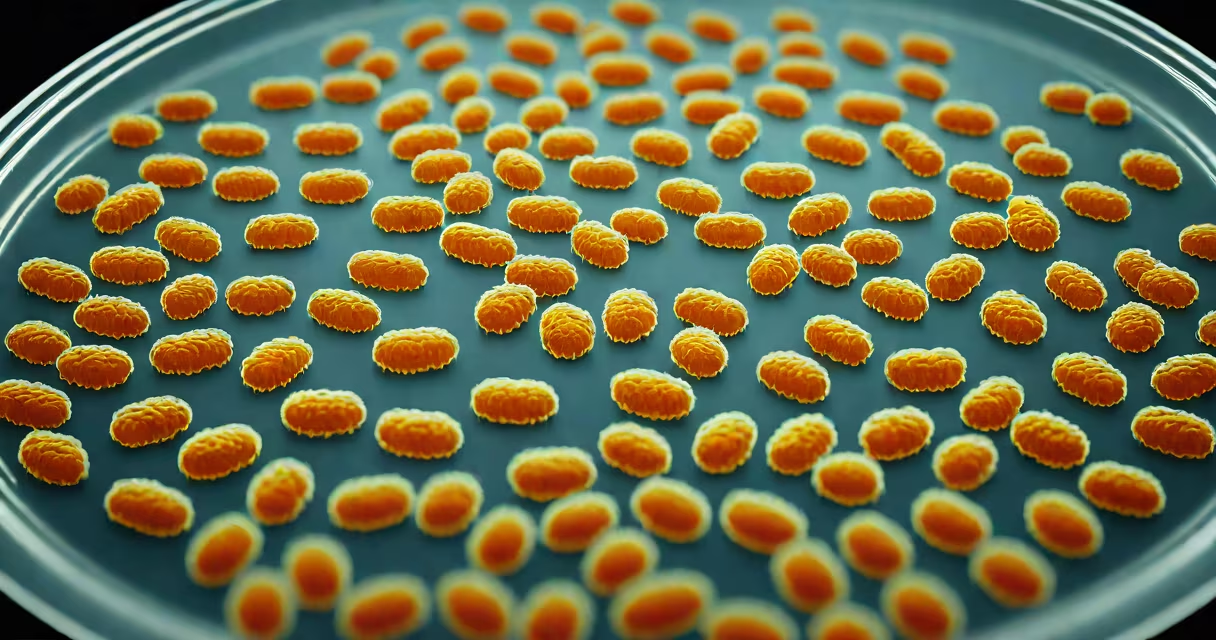
Yes, salmonella is a bacterial infection caused by species of the bacterium Salmonella enterica. These rod-shaped, Gram-negative bacteria invade the intestinal lining, triggering inflammation and gastrointestinal distress. The infection typically results from consuming contaminated food or water.
Salmonella belongs to the family Enterobacteriaceae and includes over 2,600 serotypes. The most common human pathogens are Salmonella Typhimurium and Salmonella Enteritidis. These strains survive in environments like raw eggs, undercooked poultry, unpasteurized milk, and contaminated produce. Ingestion leads to an incubation period of 6 to 72 hours, followed by acute symptoms.
The Centers for Disease Control and Prevention (CDC) estimates that Salmonella causes approximately 1.35 million infections annually in the United States, resulting in 26,500 hospitalizations and 420 deaths. Most cases are linked to foodborne transmission, though person-to-person spread can occur during outbreaks.
When ingested, Salmonella bacteria travel through the stomach and reach the small intestine. There, they penetrate the epithelial cells lining the gut using specialized Type III secretion systems. Once inside host cells, they replicate and spread to neighboring cells, causing tissue damage and immune activation.
The body responds with inflammation, releasing cytokines such as interleukin-8 and tumor necrosis factor-alpha. This triggers fluid secretion into the intestinal lumen, leading to watery diarrhea. The immune response also recruits neutrophils and macrophages, which contribute to cramping and fever. Symptoms usually last four to seven days but can persist longer in immunocompromised individuals.
A non-obvious fact: Salmonella can survive for months in dry environments like flour and peanut butter. In 2008-2009, a nationwide outbreak traced to peanut butter led to over 700 reported cases and nine deaths. The bacteria remained viable in low-moisture products due to their ability to form biofilms and resist desiccation.
Salmonella infections fall into two categories based on clinical presentation:
| Type | Common Serovars | Incubation Period | Typical Source |
|---|---|---|---|
| Gastroenteritis (non-typhoidal) | Salmonella Typhimurium, Salmonella Enteritidis | 6-72 hours | Poultry, eggs, raw produce |
| Typhoid fever (typhoidal) | Salmonella Typhi | 6-30 days | Contaminated water, poor sanitation |
Non-typhoidal salmonellosis accounts for over 99% of cases and is primarily foodborne. Typhoid fever occurs mainly in regions with inadequate sanitation and affects around 12 million people globally each year, according to the World Health Organization (WHO).
Transmission often involves cross-contamination. For example, cutting raw chicken on a wooden board and then slicing tomatoes without cleaning the surface can transfer Salmonella. A 2017 study published in the Journal of Food Protection found that 35% of kitchen sponges used in households contained Salmonella after handling raw meat.
Salmonella is frequently confused with other foodborne pathogens like Campylobacter and Listeria. While all cause gastrointestinal illness, they differ in temperature requirements and survival times. Salmonella thrives at 37°C (98.6°F), grows rapidly at room temperature, and can survive refrigeration for weeks.
Another misconception: people assume that cooking food kills all Salmonella. While heat inactivates the bacteria, improper handling after cooking can reintroduce contamination. For instance, leaving cooked chicken out for more than two hours allows surviving bacteria to multiply to dangerous levels. The U.S. Department of Agriculture (USDA) recommends cooling cooked foods to below 40°F within two hours.
Some believe that healthy individuals don't need medical attention. However, severe dehydration from prolonged diarrhea can lead to hospitalization. The CDC reports that 1 in 10 patients with non-typhoidal salmonellosis require IV fluids. Antibiotics are generally not recommended for uncomplicated cases because they may prolong shedding and increase resistance risk.
In 2018, a multistate outbreak of Salmonella Infantis was linked to raw turkey products. The CDC identified 236 confirmed cases across 40 states, with 63 hospitalizations and one death. Whole-genome sequencing traced the source to a single processing facility where sanitation lapses allowed cross-contamination between batches.
Testing revealed Salmonella in 12% of turkey samples collected from retail stores. The outbreak highlighted how even properly labeled, refrigerated products can carry risk if processing conditions are suboptimal. The FDA issued a recall of over 200,000 pounds of turkey products.
Prevention hinges on proper hygiene and temperature control. Wash hands with soap and water after handling raw meat. Use separate cutting boards for meat and vegetables. Cook poultry to an internal temperature of 165°F (74°C), verified with a food thermometer.