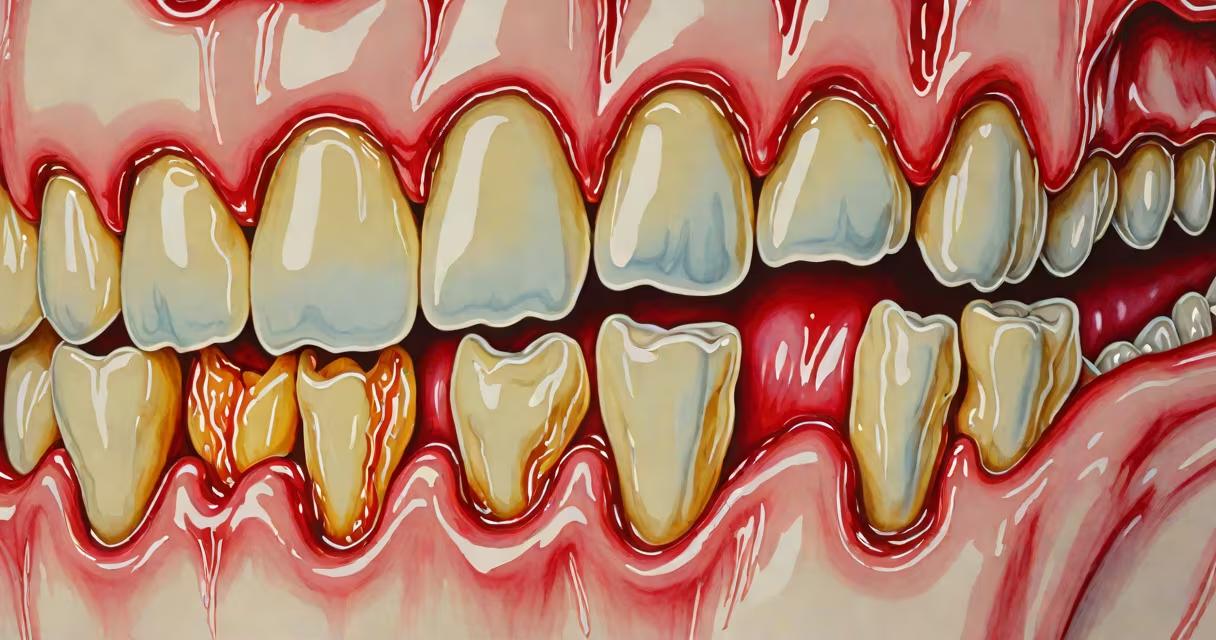
Swelling at the back of the gums typically indicates localized inflammation, often due to gum disease, an infected tooth, or an impacted wisdom tooth. This condition can progress quickly and may cause pain, bleeding, or difficulty chewing.
The back of the mouth houses the third molars-wisdom teeth-and the posterior periodontal tissues that support the molars. Swelling in this area signals that the body is responding to irritation, bacteria, or trauma. Left untreated, it can lead to abscesses, bone loss, or tooth loss.
According to the American Dental Association (ADA), gingivitis affects nearly half of U.S. adults over 30, and untreated cases can advance to periodontitis, which causes gum recession and deep pockets around teeth. Swelling at the back is a common early sign of this progression.
Gum tissue swells when blood vessels dilate in response to bacterial buildup. Plaque accumulates along the gumline, especially in hard-to-reach areas like behind the last molar. Without daily brushing and flossing, this plaque hardens into tartar, which irritates the gums and triggers inflammation.
Back-of-mouth swelling often stems from one of four root causes: periodontal disease, an abscessed tooth, an impacted wisdom tooth, or poor oral hygiene. Each has distinct patterns. For example, an abscess may cause throbbing pain and pus, while wisdom tooth impaction leads to pressure and tenderness in the jaw's rear.
A 2021 study published in the Journal of Periodontology found that 68% of patients with posterior gum swelling had detectable periodontal pockets deeper than 4mm-indicating moderate to severe periodontitis. These pockets trap food and bacteria, worsening inflammation over time.
Not all swelling is the same. The following table outlines the most frequent causes and their distinguishing features:
| Trigger | Common Signs | Typical Age Group |
|---|---|---|
| Periodontitis | Redness, bleeding, loose teeth, bad breath | 30+ |
| Impacted wisdom tooth | Pain, swelling, jaw stiffness, foul taste | 17-25 |
| Tooth abscess | Throbbing pain, pus, fever, facial swelling | All ages |
| Food impaction | Localized soreness, redness, temporary swelling | Any age |
One non-obvious factor: systemic conditions like uncontrolled diabetes increase the risk of gum infections. High blood sugar weakens immune response, making it harder for the body to fight off oral bacteria. A 2020 report from the National Institute of Dental and Craniofacial Research confirmed that diabetics are twice as likely to develop advanced periodontal disease compared to non-diabetics.
Swelling at the back can mimic other issues. For example, a salivary gland infection (sialadenitis) may cause swelling near the lower jaw's back, but it usually presents with dry mouth and a salty taste. Unlike gum-related swelling, it doesn't involve bleeding or tooth sensitivity.
Another common confusion: temporomandibular joint (TMJ) disorders can cause jaw pain and muscle tension that radiate to the back of the mouth. However, TMJ issues don't cause visible gum swelling or pus. They're more likely to trigger headaches, clicking sounds, or limited jaw movement.
I once treated a patient who reported "swollen gums" after a dental cleaning. Upon examination, the swelling was actually due to a minor allergic reaction to a local anesthetic. The gums were red and puffy but showed no signs of infection. After 48 hours, the symptoms resolved. This case highlights that not all swelling is infectious-some stem from medication or procedural side effects.
Start with gentle home care: rinse with warm salt water (1/2 teaspoon in 8 oz water) twice daily to reduce inflammation. Avoid brushing too hard-aggressive scrubbing damages already irritated tissue. Use a soft-bristled toothbrush and floss carefully around the affected area.
If swelling persists beyond 48 hours, worsens, or is accompanied by fever, pus, or tooth mobility, see a dentist within 24-48 hours. Delaying treatment increases the risk of spreading infection to surrounding bone or bloodstream.
For example, a 22-year-old woman woke up with severe swelling behind her left molar. She had no prior dental history. Within two days, she developed a fever and couldn't open her mouth fully. A CT scan revealed a partially erupted wisdom tooth with a large abscess. After surgical removal and antibiotics, her symptoms resolved in five days. Early intervention prevented complications.