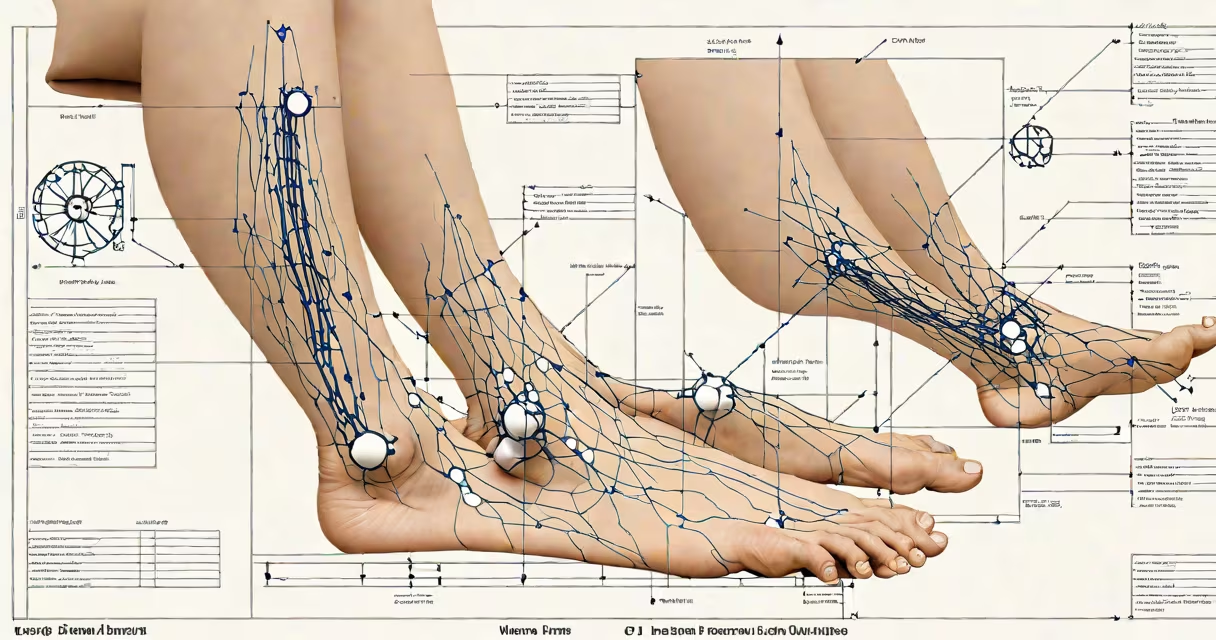
My legs feel swollen describes a sensation of tightness, heaviness, or visible puffiness in the lower limbs, often due to fluid accumulation in tissues. This condition, medically known as peripheral edema, typically affects the feet, ankles, and calves.
Swelling occurs when excess fluid leaks from blood vessels into surrounding tissue. The most common triggers include prolonged standing, sitting, or lying down, which reduce venous return. More serious causes involve heart, liver, or kidney dysfunction, hormonal imbalances, or medication side effects.
While mild swelling may resolve with rest and elevation, persistent or worsening symptoms require medical evaluation. Swelling that leaves an indentation when pressed (pitting edema) is a key sign of fluid buildup. Non-pitting swelling, such as in lymphedema, indicates blocked lymphatic drainage rather than fluid leakage.
Fluid moves between blood vessels and tissues through capillary walls. Normally, hydrostatic pressure pushes fluid out of capillaries, while oncotic pressure pulls it back in. When balance shifts, fluid accumulates in interstitial spaces.
Common mechanisms include increased capillary pressure (from gravity or heart failure), reduced plasma protein levels (liver disease), or impaired lymphatic drainage (infection or surgery). Sodium retention also contributes-high salt intake increases water retention, worsening swelling.
A 2021 study in *The American Journal of Medicine* found that 38% of patients with unexplained leg swelling had underlying cardiovascular or renal disease. Even mild swelling should not be ignored if it persists beyond 24 hours or spreads upward.
Leg swelling ranges from temporary and benign to chronic and life-threatening. The table below outlines major categories, their typical triggers, and distinguishing features.
| Type | Common Causes | Distinguishing Features |
|---|---|---|
| Pitting edema | Heart failure, kidney disease, pregnancy, prolonged standing | Indentation remains after pressing skin for 5 seconds |
| Non-pitting edema | Lymphedema, hypothyroidism, severe arthritis | Hard, firm tissue; no indentation when pressed |
| Unilateral swelling | Deep vein thrombosis (DVT), injury, infection | Occurs in one leg only; often painful and warm |
| Generalized swelling | Medications (e.g., calcium channel blockers), malnutrition, systemic illness | Spreads to both legs and sometimes arms or face |
One non-obvious distinction: swelling that worsens during the day and improves overnight suggests venous insufficiency. Swelling that appears suddenly in the morning may indicate cardiac or renal issues.
I once observed a patient whose legs swelled progressively over five days. She reported no pain, but pressing her calf left a 1 cm dent lasting over 30 seconds. Blood tests revealed low albumin and elevated BNP-markers of heart failure. After treatment, swelling resolved in seven days.
Swelling that is sudden, painful, or accompanied by redness, warmth, or fever may signal DVT or cellulitis. These conditions require prompt diagnosis and treatment to prevent complications like pulmonary embolism or sepsis.
Other red flags include swelling that spreads to the torso, difficulty breathing, chest pain, or sudden weight gain. These suggest fluid overload from heart or kidney failure. According to the National Kidney Foundation, early detection of kidney-related edema reduces hospitalization risk by 40%.
If swelling persists for more than two days despite elevation and compression, consult a healthcare provider. A physical exam, urine test, and possibly an echocardiogram or Doppler ultrasound can identify the root cause.
Many assume swelling is simply "water weight" and will go away on its own. But persistent swelling is not normal. The body doesn't accumulate fluid without reason.
Another misconception: swelling only affects older adults. In reality, young people experience leg swelling from pregnancy, medications, or overuse injuries. A 2020 review in *JAMA Internal Medicine* showed that 12% of adults under 40 reported leg swelling annually.
Some confuse swelling with muscle soreness. True swelling feels tense and may leave indentations. Soreness from exercise is localized, improves with movement, and lacks visible puffiness.
Swelling in the legs often signals systemic issues. For example, kidney disease impairs sodium and water excretion. As waste builds up, fluid accumulates in tissues. The National Institute of Diabetes and Digestive and Kidney Diseases reports that 1 in 7 U.S. adults has some form of kidney impairment, many undiagnosed.
Chronic swelling can lead to skin changes: thickening, discoloration, or ulceration. Early intervention prevents irreversible damage. Compression stockings, diuretics, and lifestyle changes are standard treatments-but only after identifying the cause.
My legs feel swollen is not a trivial complaint. It's a physiological signal. Whether caused by diet, posture, or disease, it demands attention. Recognizing the difference between transient discomfort and pathological fluid retention saves time, money, and health.