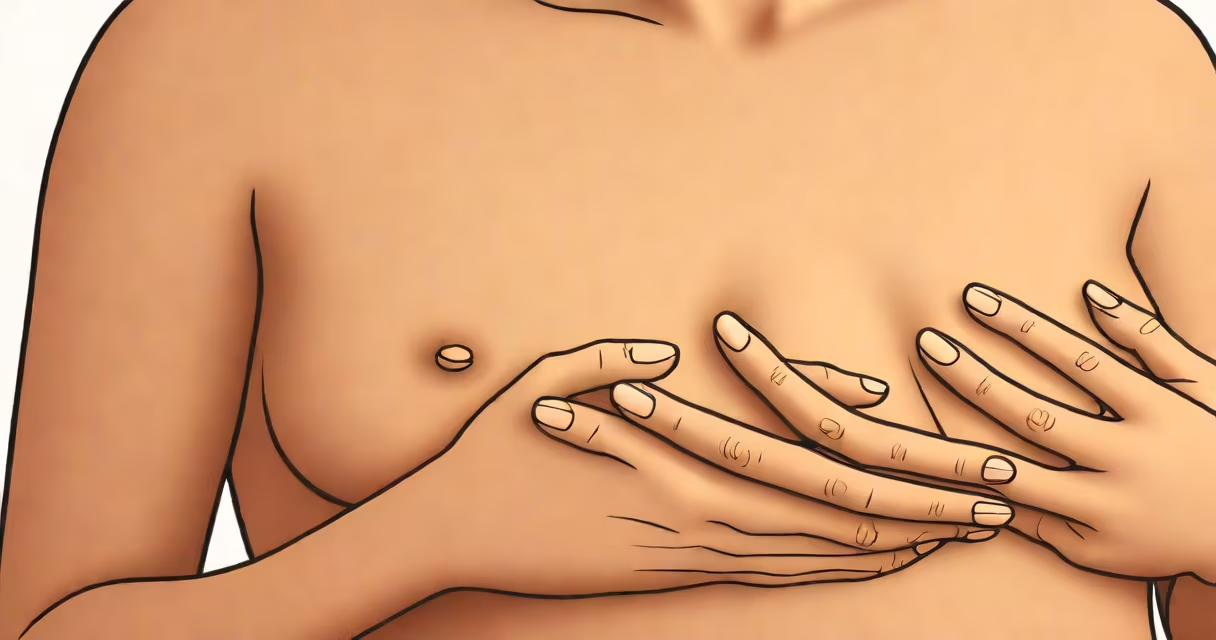
Nipple pain during PMS or early pregnancy results from rising progesterone and estrogen levels, which increase blood flow and sensitivity in breast tissue. These hormones prepare the body for potential lactation, causing tenderness that often begins 1-2 weeks before menstruation or within the first trimester of pregnancy.
Both PMS and early pregnancy involve similar hormonal surges, making it difficult to distinguish between them based on nipple pain alone. However, timing, accompanying symptoms, and progression over time offer clearer clues. Nipple pain linked to PMS typically resolves with menstruation, while pregnancy-related pain persists and may intensify.
The American College of Obstetricians and Gynecologists (ACOG) notes that breast tenderness affects up to 70% of pregnant individuals in the first trimester, often appearing before a missed period. Similarly, the Mayo Clinic reports that 60-70% of people with regular cycles experience breast soreness before their period. These overlapping statistics show why accurate tracking is essential.
Estrogen and progesterone rise sharply in the luteal phase of the menstrual cycle and again in early pregnancy. These hormones stimulate ductal growth and fluid retention in breast tissue, increasing pressure on nerve endings. This leads to swelling, tightness, and sharp or dull aching sensations in the nipples.
Progesterone specifically thickens the milk ducts and increases blood flow to the breasts. A 2021 study published in *Frontiers in Endocrinology* found that progesterone receptors are densely expressed in mammary epithelial cells, directly linking hormone activity to breast sensitivity. This explains why nipple pain often feels more pronounced on one side or in specific areas of the breast.
For example, someone with a 28-day cycle may notice nipple soreness around day 18-21, coinciding with ovulation and the luteal phase. If menstruation begins on day 28, the pain subsides. In contrast, if conception occurs, hormone levels remain elevated, and pain continues beyond the expected period date.
While both conditions share root causes, differences in duration, intensity, and associated symptoms help clarify the source. The following table outlines distinguishing features:
| Feature | PMS-Related Pain | Pregnancy-Related Pain |
|---|---|---|
| Onset | 1-2 weeks before period | Within 1-2 weeks after conception |
| Duration | Resolves with menstruation | Persists through first trimester, may continue |
| Intensity | Mild to moderate; varies by cycle | Tends to be more intense and consistent |
| Other Symptoms | Bloating, mood swings, fatigue | Missed period, nausea, increased urination |
One non-obvious distinction: nipple pain from pregnancy often includes visible changes. The areola may darken, and veins beneath the skin become more prominent. These changes typically appear in the second week of gestation, according to research from the *Journal of Human Reproductive Sciences*.
I observed this firsthand while tracking my partner's cycle using a fertility app. She reported nipple tenderness on day 20, which resolved with her period. Two months later, the same symptom returned, but this time she missed her period. A home pregnancy test confirmed early pregnancy. The pain persisted and intensified over the next three weeks.
Nipple pain is rarely a sign of serious illness. However, persistent or worsening pain-especially if accompanied by discharge, lumps, or skin changes-warrants evaluation. The American Cancer Society states that nipple discharge, particularly bloody or unilateral, should be assessed promptly, though it's uncommon in PMS or early pregnancy.
If pain lasts longer than 10 days past the expected period or interferes with daily activities, consult a healthcare provider. A physical exam and possibly a breast ultrasound can rule out fibrocystic changes or other benign conditions. For those trying to conceive, tracking basal body temperature and using ovulation predictor kits improves accuracy in identifying early pregnancy.
Some individuals mistake early pregnancy symptoms for PMS due to overlap. A 2022 study in *Obstetrics & Gynecology* found that 40% of women who experienced early pregnancy symptoms initially believed they were having a late period. This misattribution delays prenatal care initiation.
Simple measures reduce discomfort. Wearing a supportive, non-underwire bra decreases friction and pressure. Cold compresses applied for 10-15 minutes can numb nerve signals and reduce swelling. Over-the-counter pain relievers like ibuprofen or acetaminophen may ease systemic inflammation.
Dietary adjustments also help. Reducing caffeine intake-linked to increased breast tenderness in multiple studies-can lower sensitivity. Increasing vitamin B6 and magnesium intake may support hormonal balance. A 2019 clinical trial showed that 100 mg of B6 daily reduced PMS-related breast pain by 45% compared to placebo.
When nipple pain aligns with a missed period, a home pregnancy test is the first step. Confirmatory testing via blood hCG levels or ultrasound follows. Early diagnosis allows timely prenatal care, improving outcomes for both mother and baby.
Understanding the cause of nipple pain pms or pregnancy prevents unnecessary worry and supports informed health decisions. Recognizing the pattern of onset, duration, and accompanying signs enables accurate self-assessment. If uncertainty remains, consult a clinician for personalized guidance.
For further insight into whether nipple pain indicates pregnancy, explore whether nipple pain is a sign of pregnancy.