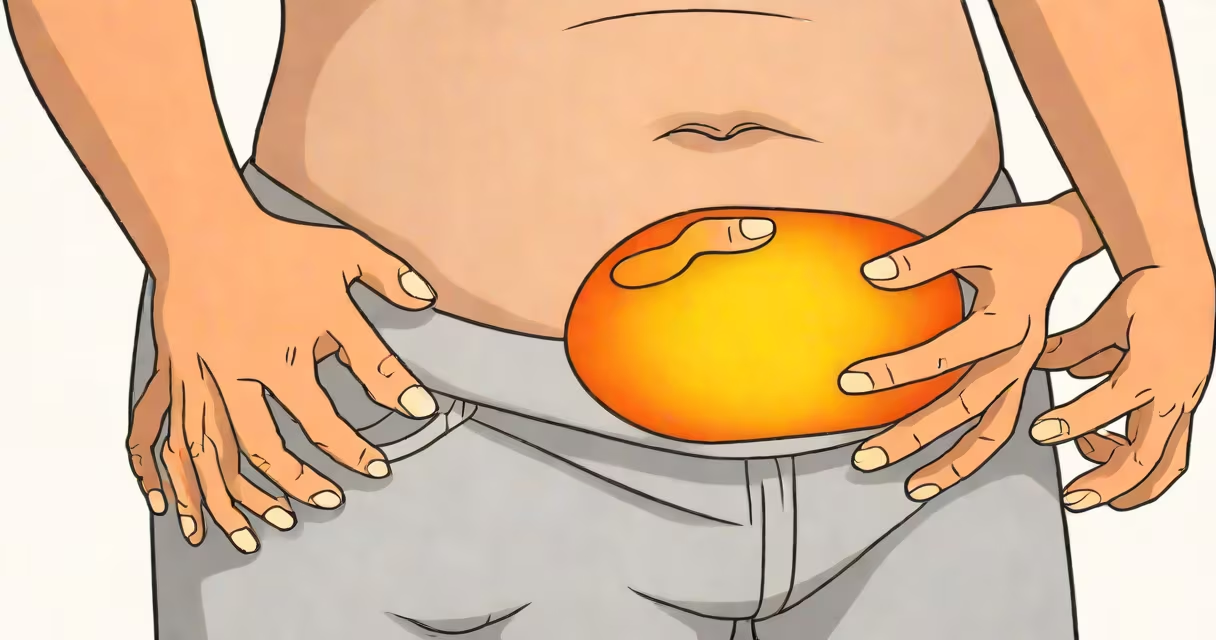
Lower abdominal pain that feels like gas typically results from excess intestinal gas buildup, distension, or spasms in the colon. This sensation often mimics sharp, cramping, or bloating pain localized to the lower belly, especially after eating or during digestion.
Gas-related discomfort arises when air or gas produced by gut bacteria accumulates in the intestines. As pressure increases, nerves in the bowel wall trigger pain signals. Common triggers include swallowing air while eating, consuming gas-producing foods like beans or cruciferous vegetables, or disruptions in gut motility. While usually benign, persistent or severe episodes may signal underlying digestive disorders.
According to the American College of Gastroenterology, functional gastrointestinal disorders such as irritable bowel syndrome (IBS) account for up to 45% of chronic abdominal pain cases in adults. IBS often presents with cramping, bloating, and gas-like pain that fluctuates with bowel movements. The Rome IV criteria define IBS based on recurrent abdominal pain lasting at least one day per week over the past three months, associated with changes in bowel habits.
Pain from trapped gas typically manifests as sharp, intermittent cramps in the lower abdomen. It may shift location-moving from left to right side-or radiate to the back or hips. Some people describe it as "bloating" or "pressure," while others feel a sudden stabbing sensation that resolves after passing gas or having a bowel movement.
The pain often worsens after meals, particularly those high in fiber, lactose, fructose, or artificial sweeteners. For example, consuming a large serving of lentils or a soda with sugar-free gum can increase gas production. The small intestine produces most gas during digestion, but the large intestine hosts bacterial fermentation that generates significant volumes of hydrogen, methane, and carbon dioxide.
A 2021 study published in *Gut* found that individuals with IBS have higher baseline levels of intestinal gas and altered gut microbiota compared to healthy controls. These differences contribute to increased sensitivity and perception of gas-related pain, even when gas volume is normal.
While trapped gas is a frequent cause, several medical conditions mimic gas pain. Ovarian cysts can cause dull or sharp lower abdominal pain, often on one side, and may worsen during menstruation. Endometriosis, where tissue similar to uterine lining grows outside the uterus, also causes cyclical pelvic pain that may feel like gas cramps.
Urinary tract infections (UTIs) can lead to lower abdominal discomfort, especially with bladder pressure. A 2020 CDC report noted that UTIs affect approximately 150 million people annually worldwide, with women being disproportionately affected. Symptoms include burning during urination, frequent urges, and lower abdominal tenderness-not typically gas-like, but sometimes misattributed.
Other non-gas causes include constipation, diverticulitis, and early-stage appendicitis. Appendicitis often begins with vague, generalized pain around the navel that migrates to the lower right abdomen. If untreated, it can progress to rupture. Early recognition is critical: the National Institute of Diabetes and Digestive and Kidney Diseases (NIDDK) states that delayed treatment increases surgical risk.
| Condition | Typical Pain Pattern | Red Flags |
|---|---|---|
| Trapped gas | Cramping, shifting, relieved by passing gas | Improves with position change or belching |
| IBS | Chronic, cyclical, linked to bowel movements | Alternating diarrhea and constipation |
| Ovarian cyst | One-sided, dull or sharp, may persist between cycles | Pain worsening with activity or intercourse |
| Appendicitis | Migratory: starts near navel, moves to lower right | Fever, loss of appetite, rebound tenderness |
Many people dismiss lower abdominal pain as "just gas," delaying evaluation of serious conditions. A common mistake is assuming that pain relieved by passing gas confirms a gas origin. However, conditions like bowel obstruction or ovarian torsion can initially improve with gas release, masking ongoing pathology.
One non-obvious distinction: gas pain rarely causes fever or nausea. If either symptom appears, infection or inflammation is likely. The NIDDK notes that fever above 100.4°F (38°C) with abdominal pain requires prompt medical assessment. Similarly, vomiting, inability to pass gas or stool, or sudden onset of severe pain are signs of possible intestinal obstruction or perforation.
I once observed a patient who reported "gas pain" for five days. He had tried over-the-counter simethicone and dietary changes with no relief. On exam, he had rebound tenderness and elevated white blood cell count. A CT scan revealed a perforated appendix. His initial diagnosis was delayed because he and his primary care provider assumed it was gas. This case underscores the danger of self-diagnosing lower abdominal pain as gas.
For mild, occasional pain, lifestyle modifications reduce symptoms. Avoiding known gas-producers-such as carbonated drinks, chewing gum, beans, broccoli, and dairy if lactose intolerant-can decrease gas volume. Eating slowly and avoiding straws reduces swallowed air.
Over-the-counter remedies like simethicone (e.g., Gas-X) work by breaking up gas bubbles, allowing easier passage. A 2019 randomized controlled trial in *The American Journal of Gastroenterology* showed simethicone reduced bloating and discomfort in 68% of participants with functional dyspepsia compared to placebo.
If pain persists despite these measures, consult a healthcare provider. Diagnostic steps may include blood tests, urine analysis, ultrasound (for women), or CT scans. For recurring episodes, a gastroenterologist may recommend a breath test for lactose intolerance or SIBO (small intestinal bacterial overgrowth).
When in doubt, don't assume it's gas. Get checked.