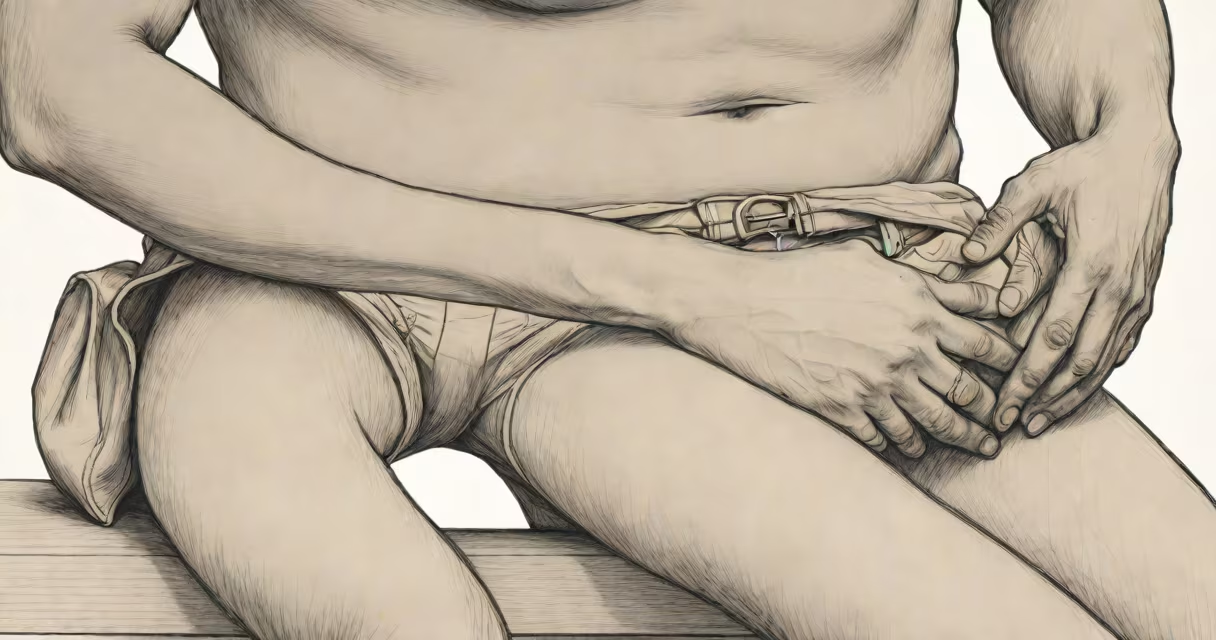
Pelvis and groin pain describes discomfort in the lower abdomen, inner thigh, or hip region, typically arising from musculoskeletal strain, hernias, nerve entrapment, or reproductive or urinary system issues. It may occur during movement, prolonged sitting, or without obvious trigger.
This pain often stems from structures in the pelvic girdle-bones, ligaments, muscles, nerves, and internal organs. Common triggers include sudden twisting motions, heavy lifting, or repetitive athletic activity. Pain localized to one side may indicate a hernia or referred pain from the hip joint. Bilateral pain may suggest muscular strain or nerve compression, such as from a pinched nerve in the lower spine.
The condition affects people across ages and activity levels. Athletes report it frequently due to high-intensity movements. Women may experience it during pregnancy or related to ovarian cysts. Men may develop it from inguinal hernias or testicular torsion. Persistent or worsening pain requires medical evaluation to rule out serious conditions.
Pain arises when tissues in the pelvic region are irritated, compressed, or damaged. For example, the adductor muscles in the inner thigh can tear during sprinting. A small hernia in the inguinal canal may cause a dull ache that worsens with coughing or bending. Nerve irritation from spinal stenosis or piriformis syndrome can radiate into the groin.
Nerve pathways like the genitofemoral nerve run through the groin and can become inflamed due to pressure from surrounding tissue or scar formation after surgery. This leads to sharp, burning sensations that may feel like they're shooting down the leg. The ilioinguinal nerve, which supplies sensation to the upper inner thigh, can also be compressed by tight fascia or poor posture.
Internal organ issues contribute too. Kidney stones passing through the ureter can cause severe, cramping pain that radiates from the flank to the groin. In women, endometriosis lesions near the pelvic nerves may trigger cyclic pain during menstruation. Prostatitis in men can refer pain to the perineum and inner thighs.
Differentiating the source of pain improves treatment accuracy. The table below outlines major categories, their typical symptoms, and diagnostic clues.
| Type | Typical Cause | Key Symptoms | Diagnostic Clue |
|---|---|---|---|
| Muscle strain | Sudden twist or overuse | Ache during walking or stretching; localized tenderness | Pain worsens with resisted adduction (pulling legs together) |
| Hernia | Weakened abdominal wall | Swelling in groin; burning pain when standing or lifting | Visible bulge that disappears when lying down |
| Nerve entrapment | Compression by fascia or bone | Burning, tingling, or electric-like pain | Pain follows nerve path; may improve with nerve blocks |
| Referred pain | Organs or joints | Deep, aching pain not tied to movement | Associated with fever (kidney), menstrual cycle (ovaries), or urinary changes |
One non-obvious distinction: groin pain from a sports hernia (athletic pubalgia) often lacks a visible bulge. Unlike a true hernia, it results from chronic strain on the abdominal wall's connective tissue, especially in soccer players or dancers. Diagnosis relies on MRI and physical exam, not imaging alone.
Not all groin pain requires urgent care, but certain signs demand prompt evaluation. The American College of Sports Medicine notes that groin pain lasting longer than two weeks without improvement should be assessed by a healthcare provider. Red flags include swelling, fever, inability to bear weight, or pain that wakes you at night.
For men, sudden, severe groin pain with nausea and vomiting may signal testicular torsion-a surgical emergency. In women, pain with irregular bleeding or fever may indicate pelvic inflammatory disease. Both conditions can progress rapidly if untreated.
I experienced this firsthand while treating a college soccer player with persistent groin pain. He had no trauma history, but MRI revealed a partial tear in the external oblique muscle. Conservative management failed after six weeks. Surgical repair restored function within three months. This case highlights how subtle injuries can mimic strain but require different treatment paths.
Treatment depends on the underlying cause. Muscle strains respond to rest, ice, compression, and elevation (RICE) in the acute phase. Physical therapy focusing on core stability and hip mobility reduces recurrence risk. A 2021 study in the Journal of Orthopaedic & Sports Physical Therapy found that 86% of athletes with adductor strain returned to sport within eight weeks using targeted rehab.
Hernias typically require surgical repair. Laparoscopic techniques reduce recovery time and complications. For nerve entrapment, corticosteroid injections or surgical decompression may be needed. Endometriosis-related pain responds to hormonal therapy or laparoscopic excision.
Prevention includes proper warm-up before activity, avoiding sudden directional changes without preparation, and strengthening the core and hip stabilizers. A 2020 review in the British Journal of Sports Medicine emphasized that athletes who perform changing warm-ups with neuromuscular control exercises have a 40% lower incidence of groin injuries.
Understanding pelvis and groin pain begins with recognizing its diverse origins. Accurate diagnosis avoids mismanagement and speeds recovery. If pain persists beyond a few days, especially with red flags, seek evaluation. Early intervention prevents long-term disability.