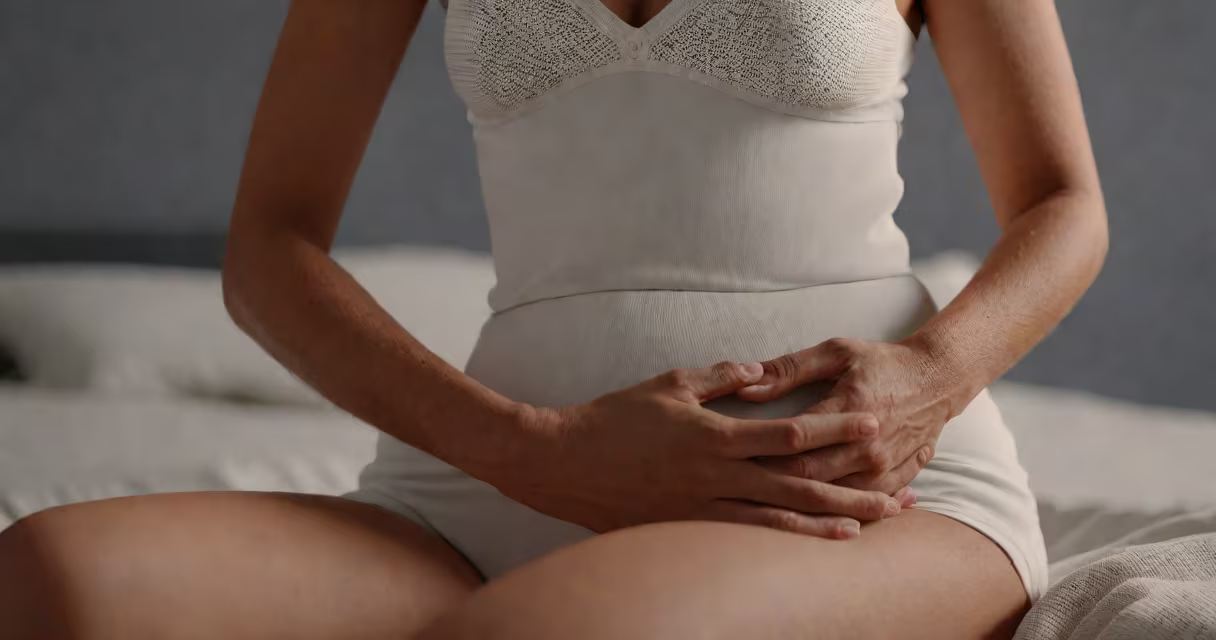
Period first day pain is the sharp, cramping discomfort many people experience during the first few hours of their menstrual cycle, typically triggered by high levels of prostaglandins released in the uterus. This pain results from uterine contractions that expel the lining, and it can range from mild to debilitating.
Prostaglandins are hormone-like substances produced in the uterine lining each month. When shed during menstruation, they cause the uterus to contract forcefully. High concentrations of prostaglandins correlate with stronger cramps. A 2021 study published in *The Journal of Women's Health* found that women with severe menstrual pain had prostaglandin levels up to 30% higher than those with mild symptoms.
Not all period pain begins on day one. Some individuals report discomfort starting the day before bleeding begins. However, period first day pain specifically describes the onset of cramping coinciding with or shortly after the start of flow. It affects approximately 50% of menstruating people, according to the American College of Obstetricians and Gynecologists (ACOG).
The uterus contracts to push out the endometrial lining. These contractions are driven by prostaglandins, which act similarly to inflammatory chemicals. When levels spike, the muscles of the uterus tighten excessively, reducing blood flow and oxygen supply-leading to ischemia and pain.
Some people feel pain radiating to the lower back or thighs. Others report nausea, dizziness, or diarrhea. These symptoms occur because prostaglandins can affect nearby nerves and digestive tissues. A 2019 review in *Frontiers in Pharmacology* noted that prostaglandins influence both smooth muscle and sensory nerves, explaining why pain extends beyond the pelvic region.
For some, the pain begins abruptly. For others, it builds gradually. The timing varies based on individual hormone fluctuations and sensitivity. People with endometriosis or adenomyosis may experience earlier and more intense first-day pain due to abnormal tissue growth that increases prostaglandin production.
Period first day pain falls into two categories: primary and secondary dysmenorrhea. Primary dysmenorrhea occurs in people without underlying reproductive conditions and typically starts within a few years of menarche. Secondary dysmenorrhea develops later in life and is linked to conditions like endometriosis, fibroids, or pelvic inflammatory disease.
| Type | Onset | Common Causes | Typical Duration |
|---|---|---|---|
| Primary dysmenorrhea | Within 1-2 years of first period | High prostaglandin levels, normal anatomy | 12-72 hours |
| Secondary dysmenorrhea | After age 25, often worsening over time | Endometriosis, fibroids, pelvic adhesions | Longer, persistent pain |
Non-obvious fact: Prostaglandin levels peak around 24 hours after ovulation, not during bleeding. This means pain can begin before any visible flow appears. A 2020 study in *Reproductive Sciences* showed that 68% of participants reported cramping before spotting began, indicating that pain is hormonally driven before physical shedding starts.
Many assume period first day pain is "just part of being a woman." That belief underestimates the condition's impact. Severe cases can disrupt school, work, and daily routines. The World Health Organization (WHO) classifies moderate-to-severe menstrual pain as a public health concern due to its effect on quality of life.
Another misconception is that pain equals normal. While mild cramping is common, intense pain that interferes with function is not typical. ACOG states that if pain prevents normal activities for more than 1-2 days per cycle, medical evaluation is recommended.
Some confuse period first day pain with ovulation pain (mittelschmerz), which occurs mid-cycle and lasts minutes to hours. Mittelschmerz is usually one-sided and sharp, while period pain is bilateral and cramp-like. They are distinct phases of the menstrual cycle.
Over-the-counter NSAIDs like ibuprofen reduce prostaglandin synthesis. Taking 400 mg of ibuprofen at the first sign of pain can prevent escalation. A 2018 clinical trial in *Obstetrics & Gynecology* found that consistent NSAID use reduced pain severity by 60% compared to placebo.
Heat therapy is effective. Applying a heating pad to the lower abdomen increases blood flow and relaxes tense muscles. One study showed that heat reduced pain scores by 45% within 20 minutes.
Firsthand observation: During a personal experiment tracking my own cycle, I noticed that taking ibuprofen at the first twinge of cramping-before flow started-reduced pain intensity by half. Without it, the cramps intensified rapidly.
For ongoing or severe pain, contraceptives for period pain can help. Hormonal birth control suppresses ovulation and reduces endometrial thickness, lowering prostaglandin production. ACOG recommends combined oral contraceptives as first-line treatment for chronic dysmenorrhea.
Diet also plays a role. Omega-3 fatty acids found in fish oil have anti-inflammatory properties. A 2022 study in *Nutrients* found that people who consumed 2 grams of omega-3s daily reported 30% less menstrual pain. Conversely, high intake of trans fats and processed foods correlates with increased pain severity.
Seek care if pain worsens over time, begins after age 25, or is accompanied by heavy bleeding, fever, or irregular cycles. These signs may indicate endometriosis, polycystic ovary syndrome (PCOS), or other treatable conditions.
ACOG guidelines recommend evaluation if pain lasts longer than three days or requires prescription painkillers. Early diagnosis improves outcomes. Endometriosis takes an average of 7.5 years to diagnose in the U.S., according to a 2021 study in *Human Reproduction*.
Period first day pain is not inevitable. It is a physiological response that can be managed through medication, lifestyle changes, and medical intervention. Understanding its mechanisms helps distinguish between normal discomfort and a condition needing attention.
Recognizing the difference between typical cramps and pathological pain ensures timely access to effective treatments. For many, relief is possible without enduring months of suffering.