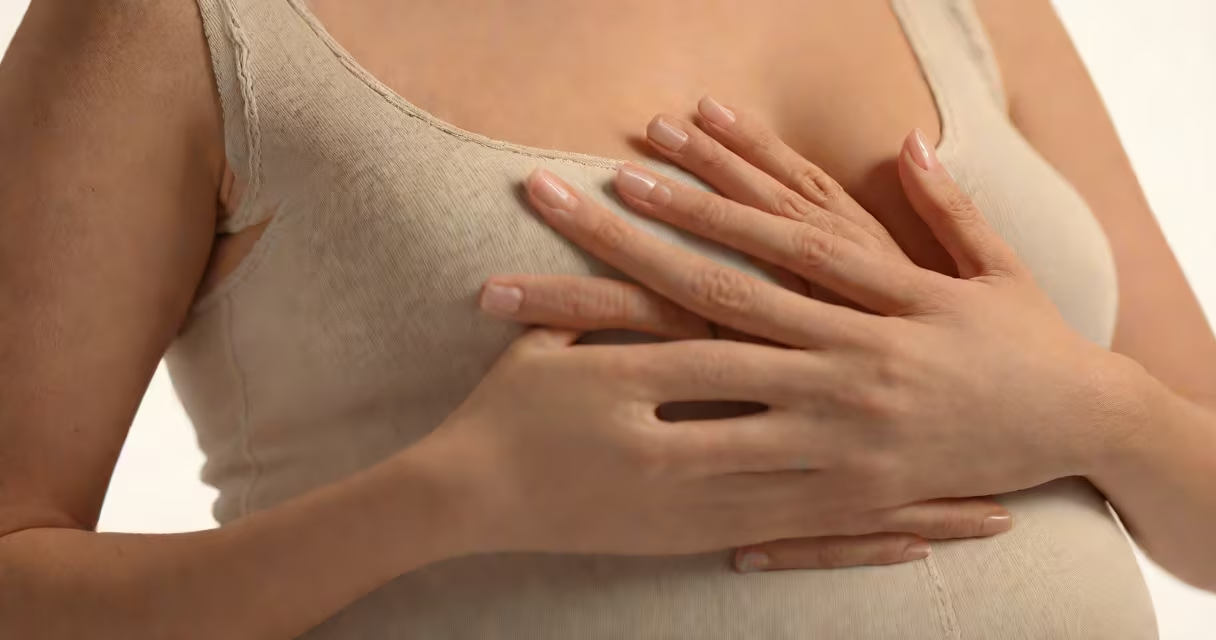
Shooting breast pain during pregnancy is a sharp, sudden discomfort often felt in one or both breasts, caused by hormonal shifts, tissue expansion, and increased blood flow. It typically begins in the first trimester and may persist through the second, though patterns vary by individual.
This sensation arises from rapid physiological changes. Estrogen and progesterone levels surge within weeks of conception, stimulating milk duct growth and increasing blood supply to breast tissue. These adaptations prepare the body for lactation but also trigger nerve sensitivity and tissue stretching, resulting in shooting or stabbing pains.
According to the American College of Obstetricians and Gynecologists (ACOG), breast tenderness affects up to 70% of pregnant individuals in early pregnancy. While often mild, shooting pain can disrupt sleep and daily routines, especially when movement or touch triggers it.
The pain results from mechanical and neurological stress on breast tissue. As the breasts enlarge-often by half a cup size or more in the first 12 weeks-connective tissues stretch. Nerves in the skin and underlying structures become irritated, sending sharp signals to the brain.
Increased vascularization also plays a role. Blood vessels dilate to deliver more nutrients and oxygen to developing mammary glands. This heightened circulation can cause pressure sensations and intermittent shooting pain, particularly when lying down or changing positions.
A 2021 study published in Obstetrics & Gynecology found that women with higher baseline levels of prolactin and estradiol reported more frequent episodes of acute breast pain during early gestation. This suggests biological variation in symptom severity based on hormone profiles.
While all breast pain during pregnancy stems from similar causes, the pattern differs across trimesters. Shooting pain most commonly appears in the first trimester and may subside or evolve into a dull ache later.
| Trimester | Pain Type | Common Triggers | Typical Duration |
|---|---|---|---|
| First (weeks 1-12) | Sharp, shooting, localized | Touch, movement, sleeping on side | Weeks 4-10; often fades by week 12 |
| Second (weeks 13-26) | Dull, aching, diffuse | Posture change, bra friction | Steady, may fluctuate |
| Third (weeks 27-40) | Throbbing, pressure-related | Breastfeeding, fetal movement | Increases toward delivery |
Some individuals report that shooting pain occurs only on one side. This asymmetry is normal and often reflects uneven tissue development or nerve distribution. However, persistent unilateral pain should prompt evaluation to rule out infection or cysts.
Shooting breast pain during pregnancy is frequently misidentified as heartburn, anxiety, or musculoskeletal strain. Its location near the chest wall leads some to confuse it with cardiac symptoms, especially if accompanied by fatigue or nausea.
However, breast pain from pregnancy lacks the radiating quality of heart attack pain. A 2019 review in Journal of Women's Health noted that pregnancy-related breast pain is typically bilateral and localized to the breast itself, not the center of the chest or left arm.
Another common error is dismissing shooting pain as "just part of being pregnant." While many accept it as inevitable, persistent or worsening pain may signal conditions like mastitis or fibrocystic changes. If pain lasts beyond 12 weeks or worsens with redness, swelling, or fever, medical evaluation is advised.
Sarah, 32, noticed sharp, electric-like pain in her left breast at six weeks pregnant. It occurred when she rolled over in bed or adjusted her bra. The pain lasted 10-15 seconds and didn't follow a steady pattern. She consulted her OB-GYN, who confirmed it was typical early pregnancy discomfort.
She managed symptoms with a supportive maternity bra, cold compresses, and avoiding tight clothing. By week 14, the shooting pain diminished, replaced by a constant dull ache. Her doctor reassured her that this shift was expected as hormone levels stabilized.
Many assume all breast pain in pregnancy feels the same. But shooting pain differs from aching or soreness in intensity, duration, and response to stimuli. Shooting pain tends to be brief, intense, and triggered by specific actions-like reaching overhead or wearing a restrictive bra.
By contrast, aching pain is usually constant, widespread, and less tied to movement. Recognizing the difference helps distinguish normal changes from potential complications.
Seek medical advice if shooting pain is severe, lasts longer than 30 minutes, or occurs with signs of infection: redness, warmth, swelling, or discharge. Also consult if pain persists past the second trimester or interferes with daily life.
Shooting breast pain pregnancy is a normal sign of bodily adaptation. It reflects active preparation for breastfeeding and is rarely a cause for concern. With proper support and awareness, most individuals find relief as their bodies adjust.