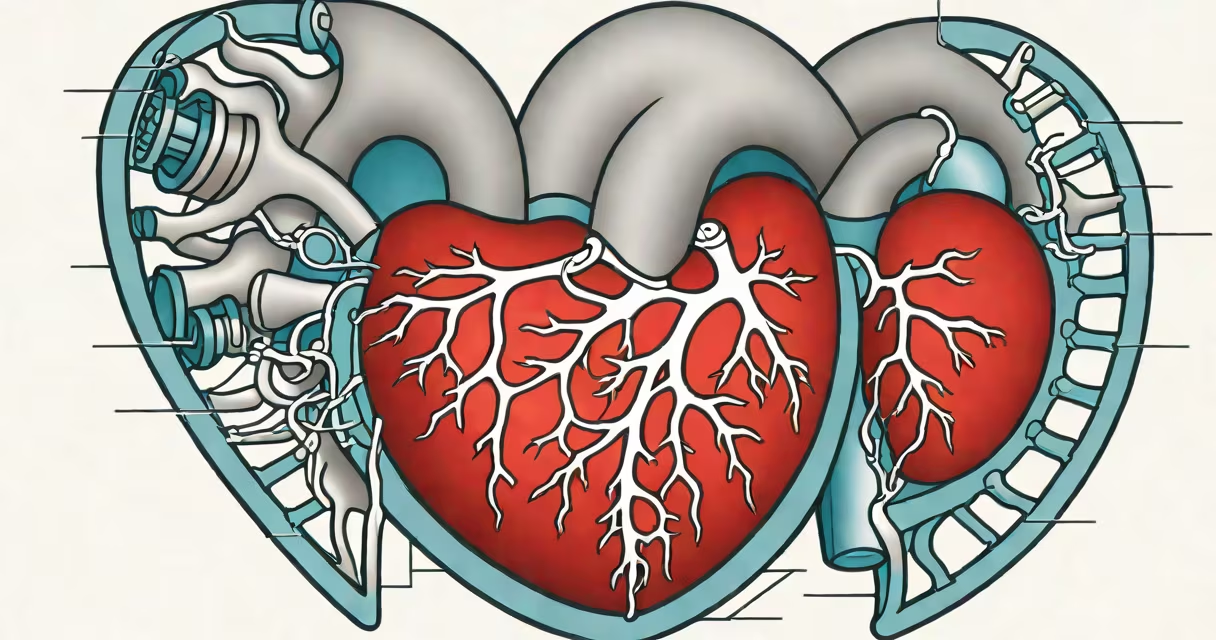
Signs of faulty heart valve refer to physical symptoms caused by impaired function of one or more heart valves, such as regurgitation (leaking), stenosis (narrowing), or structural defects. These conditions disrupt blood flow through the heart and may lead to fatigue, shortness of breath, chest pain, or palpitations.
Heart valves ensure blood moves in one direction through the four chambers. When a valve fails-due to congenital defects, infections like endocarditis, degenerative changes, or rheumatic fever-it causes turbulence. This turbulence generates abnormal sounds called murmurs, detectable during a physical exam. Not all valve issues cause immediate symptoms, but early recognition of signs improves treatment success.
According to the American Heart Association, approximately 2.5 million adults in the U.S. have some form of valvular heart disease, with about 10% experiencing symptoms severe enough to require intervention. The most common valves affected are the mitral and aortic valves.
When a valve doesn't close properly (regurgitation), blood leaks backward into the chamber it just left. When it doesn't open fully (stenosis), blood flow becomes restricted. Both scenarios force the heart to work harder to maintain circulation.
For example, in aortic stenosis, the aortic valve narrows, reducing blood flow from the left ventricle to the aorta. The left ventricle thickens over time to compensate-a condition known as hypertrophy. As the heart muscle strains, oxygen demand increases. This leads to chest pain during exertion, known as angina.
Another mechanism involves reduced cardiac output. If the heart pumps less blood per beat, organs receive insufficient oxygen. The brain may respond with dizziness or lightheadedness. Muscles fatigue quickly because they lack fuel. These systemic effects explain why fatigue and exercise intolerance are among the most reported signs.
The most frequently reported signs of faulty heart valve include:
These symptoms are not unique to valve disease. However, their persistence despite rest or worsening with activity raises concern. For instance, a patient with mitral regurgitation may report being unable to climb two flights of stairs without stopping to catch their breath-a red flag requiring evaluation.
A 2021 study published in JAMA Cardiology found that 68% of patients with moderate to severe aortic stenosis experienced dyspnea on exertion, while 54% reported fatigue. These findings show that symptom burden correlates strongly with valve severity.
Valve problems fall into two broad categories: regurgitation and stenosis. Each affects blood flow differently and presents with unique patterns of symptoms.
| Type | Definition | Common Symptoms | Typical Cause |
|---|---|---|---|
| Regurgitation | Valve fails to close completely, allowing backward flow | Fatigue, swelling, rapid breathing at night | Endocarditis, rheumatic fever, age-related wear |
| Stenosis | Valve opening narrows, restricting forward flow | Chest pain, syncope, exertional dyspnea | Calcification, congenital malformation |
Regurgitation often causes volume overload. The heart enlarges over time to handle excess blood. This leads to symptoms of fluid retention-swollen ankles, bloating, and orthopnea (difficulty breathing lying down).
Stenosis creates pressure overload. The heart muscle thickens to push blood through a narrow opening. This increases energy demand and reduces supply, leading to ischemia. A classic presentation is syncope during exercise due to inadequate blood flow to the brain.
One non-obvious distinction: regurgitation may initially be asymptomatic. Patients can live with mild-to-moderate leakage for years without noticeable decline. Stenosis, however, tends to progress more predictably. Once the valve area drops below 1 cm², symptoms typically emerge.
Many people dismiss fatigue or shortness of breath as signs of aging or deconditioning. But when these occur suddenly or worsen progressively, they may signal underlying valve disease.
Another misconception is that heart murmurs always indicate serious illness. A murmur is simply an abnormal sound heard with a stethoscope. Many healthy individuals have benign functional murmurs unrelated to valve damage. However, a new or changing murmur-especially with symptoms-warrants further testing.
I once evaluated a 62-year-old man who reported feeling "out of breath" after walking 100 feet. He attributed it to lack of fitness. On exam, he had a loud systolic murmur at the upper right sternal border. Echocardiography confirmed severe aortic stenosis. After valve replacement, his exercise capacity improved dramatically. This case illustrates how subtle symptoms can mask significant pathology.
Any persistent or worsening symptom-especially chest pain, unexplained fatigue, or fainting-should prompt a visit to a cardiologist. Diagnostic tools include echocardiogram, electrocardiogram, and stress testing.
According to the European Society of Cardiology, patients with symptomatic severe aortic stenosis have a median survival of only 2-3 years without treatment. Early diagnosis and surgical intervention improve outcomes.
Signs of faulty heart valve are not always dramatic. They often begin subtly-fatigue after minor exertion, waking up gasping for air. Recognizing these early signals allows for earlier diagnosis and better long-term health.