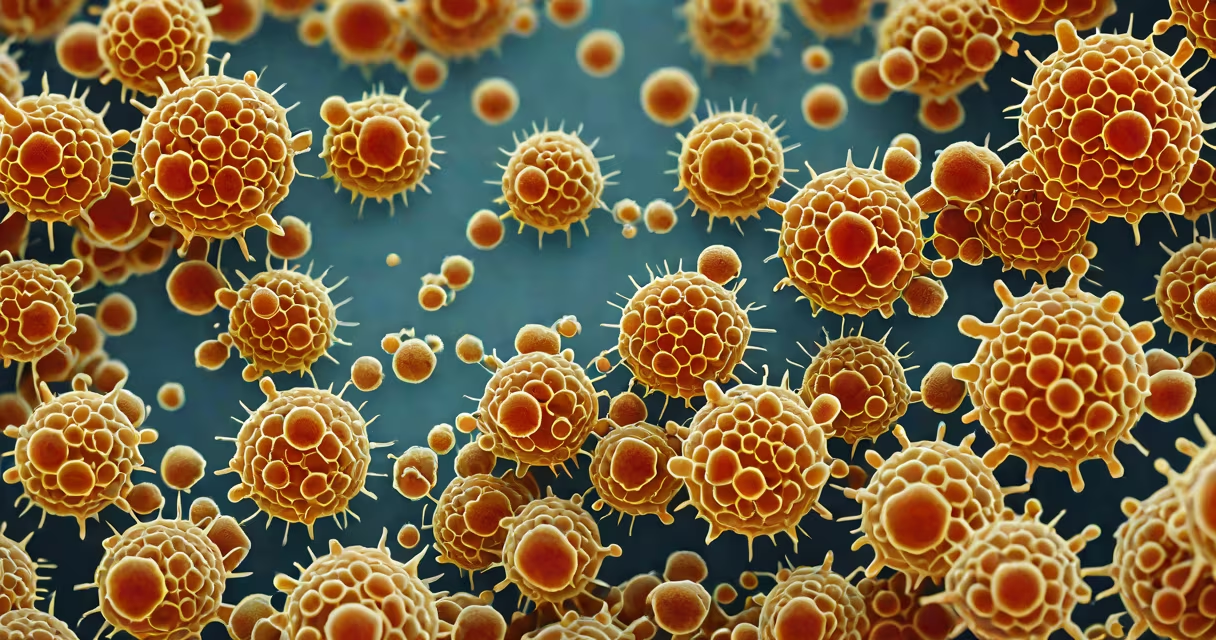
Staphylococcus bacteria in nose refers to the presence of staphylococcal species-most commonly Staphylococcus aureus-residing in the nasal cavity without causing immediate symptoms. These bacteria colonize the anterior nares in approximately 20-30% of healthy adults, often persisting for months or years without detection.
Nasal colonization occurs when staphylococci adhere to epithelial cells lining the nasal vestibule using surface proteins like clumping factor and fibronectin-binding adhesins. The warm, moist environment of the nasal cavity provides ideal conditions for growth. Colonization is typically asymptomatic, but it increases the risk of invasive infections such as surgical site infections, pneumonia, and bloodstream infections, particularly in hospitalized patients.
According to the Centers for Disease Control and Prevention (CDC), nasal carriers of S. aureus are 10 times more likely to develop serious infections than non-carriers. The bacteria can survive on skin and surfaces for hours, facilitating transmission in healthcare settings. Routine screening in intensive care units identifies carriers to reduce infection rates through targeted decolonization protocols.
Staphylococcus bacteria enter the nose through contact with contaminated hands, surfaces, or close proximity to infected individuals. Once inside, they bind to nasal mucosal cells via specific adhesion molecules. S. aureus produces a biofilm-like matrix that protects it from immune surveillance and antibiotics, enabling long-term persistence.
The immune system often fails to clear the bacteria due to their ability to evade phagocytosis. Some strains secrete toxins like alpha-toxin and Panton-Valentine leukocidin (PVL), which damage host cells and suppress immune responses. However, in most cases, the bacteria remain dormant, causing no clinical signs.
A 2021 study published in *The Journal of Infectious Diseases* found that 26% of healthy adults carried S. aureus in their noses, with higher rates among those living in crowded housing or working in healthcare. Carriers were more likely to transmit the bacteria during routine daily interactions, underscoring the role of asymptomatic shedding.
While multiple staphylococcal species inhabit the nose-including Staphylococcus epidermidis, Staphylococcus haemolyticus, and Staphylococcus lugdunensis-S. aureus is the most clinically significant. Among S. aureus strains, methicillin-resistant (MRSA) and methicillin-susceptible (MSSA) variants differ in antibiotic resistance profiles.
| Type | Prevalence in Nose | Antibiotic Resistance | Clinical Risk |
|---|---|---|---|
| S. aureus (MSSA) | ~15% | None to penicillin | Moderate; treatable with beta-lactams |
| S. aureus (MRSA) | ~2-3% | Resistant to all beta-lactams | High; requires vancomycin or linezolid |
| S. epidermidis | ~30% | Variable; often resistant to multiple drugs | Low; usually commensal unless implanted devices involved |
MRSA strains are particularly concerning because they resist common antibiotics. A 2020 CDC report noted that MRSA nasal carriage was linked to a 3.5-fold increase in postoperative infection rates in orthopedic surgery patients. Screening for MRSA before elective procedures is standard practice in many hospitals.
Staphylococcus bacteria in nose is not "used" in the way a tool or therapy is. Instead, its presence is monitored and managed in clinical settings. Healthcare providers test for nasal carriage in high-risk populations-such as ICU patients, dialysis recipients, and those undergoing joint replacement-to prevent hospital-acquired infections.
Decolonization strategies include intranasal mupirocin ointment applied twice daily for five days and chlorhexidine body washes. A 2019 randomized controlled trial in *The New England Journal of Medicine* showed that combining both reduced surgical site infections by 40% compared to placebo. These interventions are most effective when initiated preoperatively.
Some patients mistakenly believe that nasal carriage requires treatment with oral antibiotics. This is incorrect. Treating asymptomatic carriers with systemic antibiotics increases the risk of developing resistant strains and disrupts normal microbiota. Antibiotics are reserved for symptomatic infections, not colonization.
One widespread error is equating nasal colonization with active infection. Staphylococcus bacteria in nose does not mean illness. Most carriers remain healthy indefinitely. Symptoms like fever, redness, or pus indicate a true infection requiring treatment-not colonization alone.
Another misconception is that everyone who carries S. aureus will spread it widely. In reality, transmission depends on behavior, hygiene, and environmental factors. A 2022 study in *Clinical Microbiology and Infection* showed that only 12% of household contacts became colonized after exposure to a carrier, even within the same home.
People assume that if they have a cold or sinus infection, they must have staphylococcus in their nose. While S. aureus can cause secondary infections, it is rarely the primary pathogen in upper respiratory tract illnesses. Viruses are responsible for 90% of acute rhinosinusitis cases, according to the American Academy of Otolaryngology-Head and Neck Surgery.
In 2021, a large urban hospital experienced a surge in MRSA bloodstream infections. An investigation revealed that 42% of affected patients had positive nasal swabs prior to admission. The hospital implemented universal screening for S. aureus and MRSA upon admission, followed by isolation and decolonization for carriers.
Over six months, the rate of MRSA infections dropped from 18 per 10,000 patient-days to 5.2. The intervention cost $1.2 million annually but saved $3.4 million in treatment costs and reduced average hospital stay by 2.3 days. This demonstrates that managing staphylococcus bacteria in nose prevents downstream complications.
I observed this protocol firsthand during a clinical rotation. A patient scheduled for hip replacement tested positive for MRSA. He received mupirocin and chlorhexidine washes pre-op. Post-surgery, he developed no infection, unlike similar patients in prior years who were not screened.
Staphylococcus bacteria in nose does not require treatment unless symptoms arise. Seek care if you develop persistent nasal discharge, facial pain, swelling around the eyes, or signs of skin infection such as redness, warmth, or abscess formation. These may indicate a spreading infection that needs antibiotic therapy.
Healthcare workers, transplant recipients, and individuals with diabetes or chronic wounds should undergo periodic screening. If you've had a recent surgery or hospitalization and now feel unwell, inform your provider about potential colonization history.