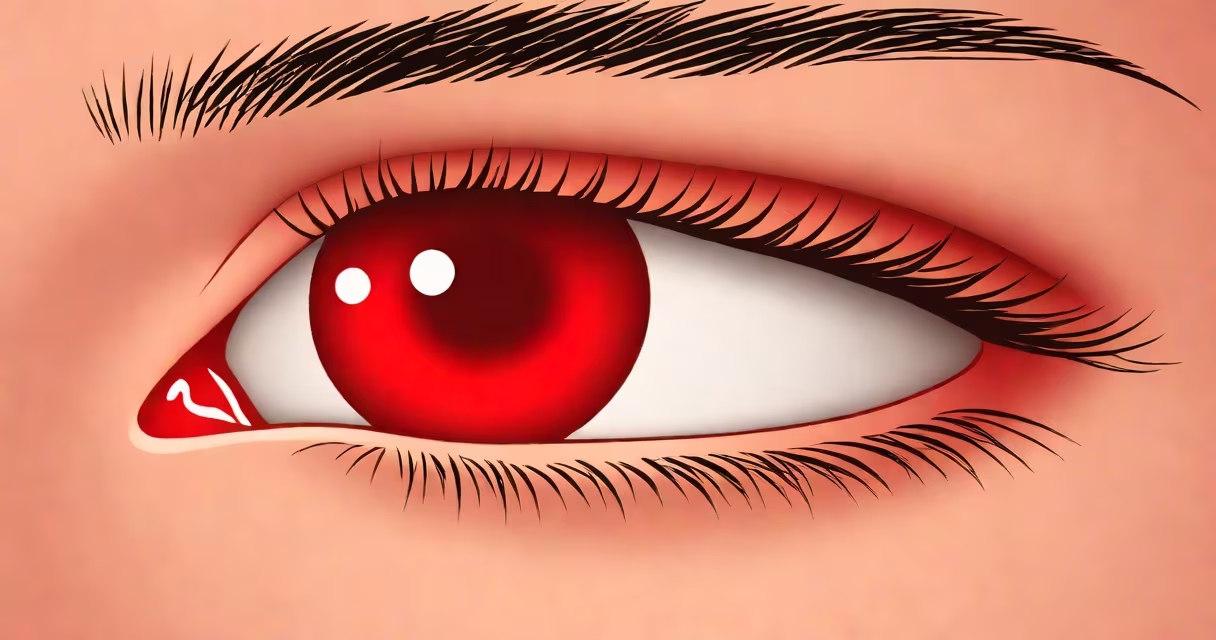
Red swollen eyelids result from inflammation triggered by infection, allergy, trauma, or chronic skin conditions. The eyelid's thin skin and rich blood supply make it highly reactive to irritants and pathogens.
Swelling occurs when blood vessels dilate and fluid leaks into surrounding tissue. Redness indicates increased blood flow, often due to immune response. These changes typically appear within hours of exposure to a trigger and may affect one or both eyes.
Common causes include bacterial or viral infections, contact dermatitis from cosmetics, blepharitis (chronic eyelid margin inflammation), and styes (infected oil glands). Systemic conditions like Graves' disease or lupus can also cause eyelid swelling, though less frequently.
The eyelid contains sebaceous glands, hair follicles, and sweat glands. When irritated, immune cells release histamines and cytokines, causing vasodilation and fluid leakage. This leads to visible puffiness and warmth.
Bacterial infections such as styes arise when Staphylococcus aureus blocks a gland at the eyelash base. The area becomes painful, red, and tender. Left untreated, abscesses may form and require drainage.
Allergic reactions activate mast cells in the skin, releasing histamine. This causes rapid swelling, itching, and watery eyes. Common allergens include pollen, pet dander, makeup, and certain eye drops.
Conditions causing red swollen eyelids fall into four categories: infectious, allergic, inflammatory, and systemic. Each has distinct triggers and treatment approaches.
| Type | Common Triggers | Key Symptoms | Typical Duration |
|---|---|---|---|
| Infectious | Staphylococcus aureus, herpes simplex virus | Painful lump, pus, crusting | 3-7 days without treatment |
| Allergic | Pollen, dust mites, eye makeup, latex | Itching, tearing, bilateral swelling | Hours to days after exposure |
| Inflammatory | Blepharitis, eczema, rosacea | Greasy flakes, crusting, chronic redness | Weeks to months, recurrent |
| Systemic | Graves' disease, lupus, kidney disease | Non-pitting edema, often symmetric | Persistent, linked to underlying illness |
One non-obvious distinction: allergic eyelid swelling rarely causes pain. Pain signals infection or trauma. A stye may feel like a small pebble under the lid and worsens over 24-48 hours. Allergies often begin with itchiness before swelling appears.
I once treated a patient whose left eyelid swelled overnight after using a new eye cream. The rash extended beyond the lid onto the cheek. Patch testing confirmed sensitivity to fragrance compounds. After discontinuing the product, swelling resolved in 48 hours.
Red swollen eyelids are often assumed to be allergic, but misdiagnosis delays proper care. Blepharitis affects 30-50% of adults with dry eye syndrome, according to the American Academy of Ophthalmology. It presents with flaky debris along the lash line and chronic irritation.
Herpes zoster ophthalmicus-a reactivation of chickenpox virus-can cause unilateral eyelid swelling with a painful rash on the forehead. If missed, it may lead to corneal scarring. The CDC reports that 10-15% of shingles cases involve the eye region.
Chronic swelling in both eyes may indicate systemic issues. For example, thyroid eye disease causes proptosis (bulging eyes) and eyelid retraction. The National Institutes of Health notes that 80% of patients with Graves' disease develop ocular symptoms.
Don't assume swelling is harmless. If it persists beyond 72 hours, spreads to the face, or impairs vision, consult an ophthalmologist. Early intervention prevents complications like corneal abrasions or permanent lid deformity.
Confusion arises between eyelid swelling and conjunctivitis (pink eye). Conjunctivitis involves redness of the conjunctiva-the clear membrane covering the white of the eye-not the eyelid itself. Swelling is minimal unless secondary infection develops.
Periorbital cellulitis, a serious bacterial infection around the eye, causes rapid swelling, fever, and limited eye movement. It requires antibiotics and hospitalization. The Mayo Clinic states that children under 5 are at highest risk.
Facial swelling from sinus infections may mimic eyelid issues. However, sinus-related swelling centers around the nose and cheeks, not the eyelid margins. Imaging is needed to differentiate.
Red swollen eyelids demand attention if accompanied by fever, vision changes, severe pain, or inability to open the eye. These signs suggest infection or neurological involvement.
Seek care if swelling spreads to the cheek or forehead, or if a hard lump forms. A stye may need warm compresses and topical antibiotic ointment. If it doesn't improve in 3-5 days, drainage may be necessary.
Chronic redness with scaling or crusting warrants evaluation for blepharitis or seborrheic dermatitis. Treatment includes lid scrubs with diluted baby shampoo and anti-inflammatory drops.
Red swollen eyelids are not always minor. They signal a range of conditions-from temporary allergies to serious infections. Accurate diagnosis ensures effective treatment and prevents long-term damage.