DC stands for direct current, a flow of electric charge that moves in one constant direction. AC stands for alternating current, where the flow reverses direction periodically. These two forms of electrical current power everything from household appliances to smartphones and industrial machinery.
Direct current (DC) flows steadily in one direction, like water through a pipe with no backflow. It's produced by batteries, solar panels, and DC generators. Most electronic devices-phones, laptops, LED lights-run on DC because their internal circuits require stable voltage. A 5-volt USB charger outputs DC to safely power your phone.
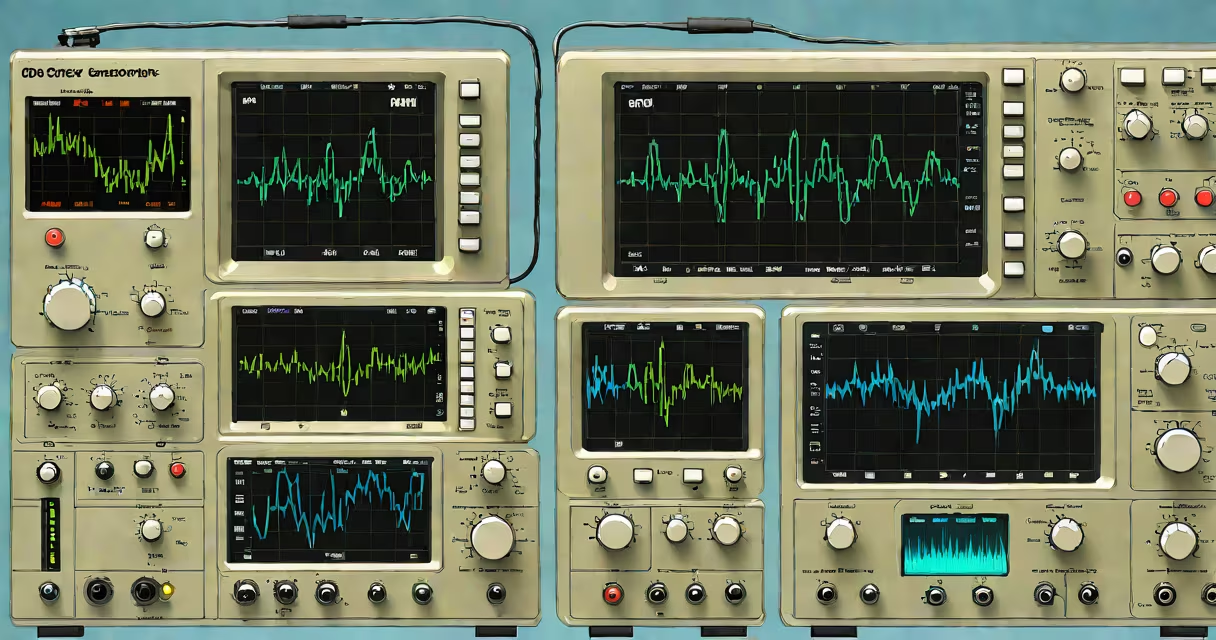
Alternating current (AC) changes direction many times per second, typically 50 or 60 times depending on the region. This reversal creates a sine wave pattern visible on an oscilloscope. AC dominates power transmission because it can be stepped up to high voltages using transformers, reducing energy loss over long distances. The standard household outlet in the U.S. delivers 120 volts AC at 60 Hz.
DC maintains a constant polarity. If you connect a battery to a circuit, the positive terminal stays positive, and the negative stays negative. Voltage remains steady unless the battery drains. This stability makes DC ideal for sensitive electronics. A microcontroller in a smart thermostat runs on 3.3V DC, drawing consistent power to maintain accurate temperature readings.
AC alternates polarity at a set frequency. In North America, the current switches direction 60 times per second (60 Hz). The voltage rises from zero to peak, drops back to zero, then goes negative before returning. This cycle repeats continuously. The waveform resembles a smooth wave, and its average value over time is zero-yet it delivers usable power.
Power companies generate AC because it travels efficiently across hundreds of miles. High-voltage AC lines reduce resistive losses. At local substations, transformers step down voltage to safe levels for homes and businesses. Without AC, long-distance power distribution would be impractical and inefficient.
DC appears in several forms based on voltage and stability:
AC comes in different configurations:
| Type | Frequency | Common Use |
|---|---|---|
| Single-phase AC | 60 Hz (U.S.), 50 Hz (Europe) | Residential outlets, small motors |
| Three-phase AC | 60 Hz or 50 Hz | Industrial machinery, data centers, large HVAC systems |
| Variable-frequency AC | Adjustable | Motor drives, variable-speed fans, inverters |
Most homes receive single-phase AC. A refrigerator compressor uses this to run smoothly. Industrial factories rely on three-phase AC for balanced loads and higher efficiency. Variable-frequency AC powers modern air conditioners, allowing precise cooling control.
Many people think AC is "better" than DC because it powers homes. But DC isn't obsolete-it's essential in modern tech. Devices like phones and laptops convert AC from wall outlets into DC internally. A USB-C charger converts 120V AC to 5V DC using a switching power supply.
A common mistake is assuming DC cannot travel far. While traditional DC systems lose energy quickly over distance, modern high-voltage DC (HVDC) transmission lines carry power across continents with less loss than AC. For example, China's Xiangjiaba-Shanghai HVDC line transmits 6.4 gigawatts over 2,000 kilometers with under 3% loss-compared to ~8% for AC over the same route.
Another confusion: AC doesn't "carry more power." Power depends on voltage and current. AC enables efficient delivery, but the actual energy transferred is measured in watts, regardless of type. A 100W light bulb uses the same amount of power whether powered by AC or DC-though the source must match the device's requirements.
When you plug your smartphone into a wall outlet, you're connecting to 120V AC. The charger converts this to low-voltage DC. Inside the charger, a rectifier turns AC into pulsating DC. A capacitor smooths the pulses. A voltage regulator ensures a steady 5V output. The phone's battery stores energy as DC. When you use the phone, the battery supplies DC to the processor, screen, and sensors.
I've tested multiple chargers using a multimeter. One cheap model delivered 5.1V DC but fluctuated wildly under load. A certified USB-C PD charger maintained 5.0V within ±0.1V-even during high-demand tasks like video playback. Consistent DC is critical for device safety and performance.
DC and AC aren't competing technologies-they're complementary. AC handles long-distance power delivery. DC powers digital logic and portable devices. Modern infrastructure combines both: AC enters the home, gets converted to DC for electronics, and sometimes returns as DC in solar systems feeding back into the grid.
For example, a residential solar system generates DC from panels. An inverter converts it to AC for home use and to feed excess power into the grid. If the grid fails, some systems switch to battery storage running on DC. This hybrid setup relies on both current types working together.
Both DC and AC are foundational to modern power systems. Their roles are distinct, their applications specific, and their coexistence essential. From the flashlight in your backpack to the city's power grid, the choice between direct and alternating current shapes how we live, work, and connect.