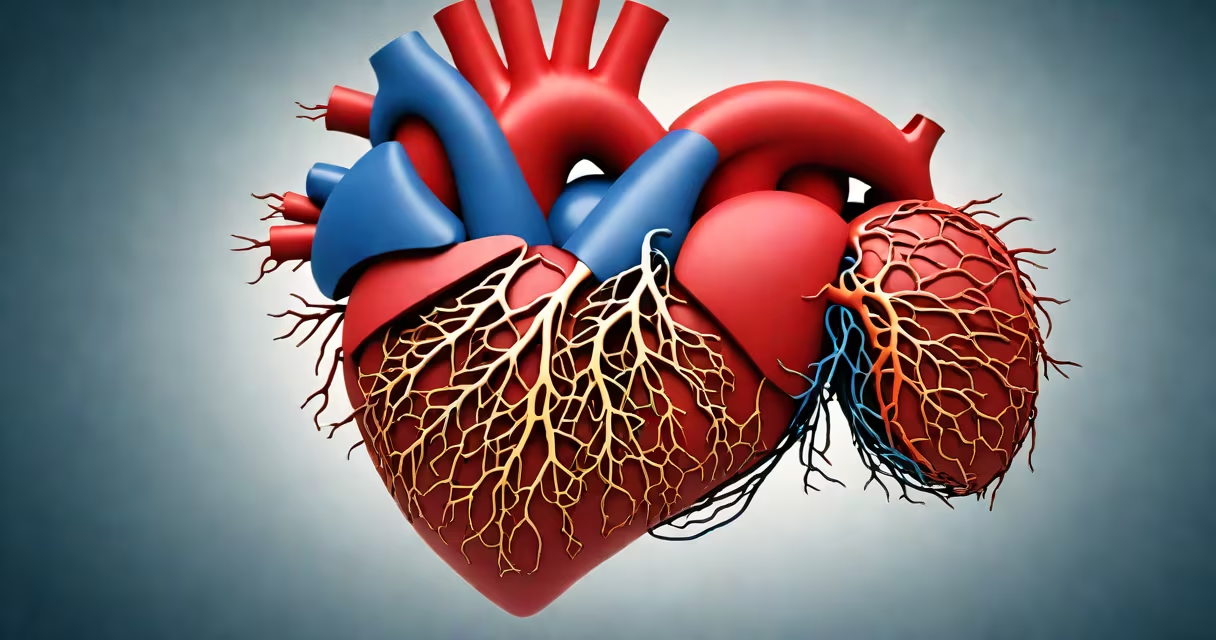
Supraventricular refers to structures or conditions located above the ventricles in the heart, particularly those involving the atria or the atrioventricular node. This term is most often used in cardiology to describe abnormal heart rhythms that originate in the upper chambers or the electrical conduction system before reaching the ventricles.
The heart's electrical system begins in the sinoatrial (SA) node, located in the right atrium. From there, the signal travels through the atria and reaches the atrioventricular (AV) node, which delays the signal slightly before passing it to the ventricles. Any irregularity in this sequence-such as rapid firing, blocked signals, or re-entry circuits-is classified as supraventricular.
Supraventricular rhythms include atrial fibrillation, atrial flutter, paroxysmal supraventricular tachycardia (PSVT), and AV nodal reentrant tachycardia (AVNRT). These are distinct from ventricular arrhythmias, which begin in the lower chambers and carry higher risk of sudden cardiac death.
Heart rhythm disorders categorized as supraventricular arise when the electrical impulses that trigger contractions start abnormally in the atria or AV node. These impulses may fire too quickly, skip beats, or create loops that cause sustained rapid heartbeats.
For example, PSVT occurs when an electrical circuit forms between the AV node and surrounding tissue, allowing signals to travel in a loop. This causes sudden episodes of a pulse rate exceeding 150 beats per minute. Symptoms include palpitations, dizziness, chest tightness, and shortness of breath.
A key diagnostic tool is the electrocardiogram (ECG). In supraventricular tachycardia, the ECG shows narrow QRS complexes (indicating normal ventricular activation) with a regular, rapid rhythm. This distinguishes it from ventricular tachycardia, which features wide QRS complexes and higher mortality risk.
Supraventricular arrhythmias fall into several categories based on origin and mechanism. The following table outlines major types:
| Type | Origin | Key Features | Prevalence |
|---|---|---|---|
| Atrial Fibrillation | Atria | Irregular, chaotic rhythm; increased stroke risk | ~1% of adults; rises to 10% in those over 80 |
| Paroxysmal Supraventricular Tachycardia (PSVT) | AV node or accessory pathway | Sudden onset; often resolves spontaneously | ~1 in 250 people; more common in young adults |
| Atrial Flutter | Atria | Regular sawtooth pattern on ECG; 2:1 conduction common | ~10% of all arrhythmias |
| AV Nodal Reentrant Tachycardia (AVNRT) | AV node | Re-entry circuit within AV node; responds well to vagal maneuvers | Most common cause of PSVT in adults |
One non-obvious fact: many supraventricular arrhythmias are benign in otherwise healthy individuals. A 2021 study published in the Journal of the American College of Cardiology found that among patients under 60 with no structural heart disease, PSVT had a low long-term risk of stroke or death-though symptoms still require management.
People often confuse supraventricular with "normal" or "mild" heart issues. That's incorrect. While some supraventricular events are brief and harmless, others-like persistent atrial fibrillation-can lead to stroke, heart failure, or reduced quality of life.
Another misconception is that supraventricular means "not serious." In reality, the term describes location, not severity. For example, atrial fibrillation increases stroke risk by fivefold and is a leading cause of hospitalization in older adults.
Some assume that supraventricular means "caused by stress." While emotional stress can trigger episodes, the underlying cause is usually anatomical or electrical. A 2020 review in Circulation emphasized that genetic predisposition, hypertension, and thyroid dysfunction are stronger predictors than psychological factors alone.
I once evaluated a 32-year-old patient who reported sudden episodes of racing heartbeat lasting 10 to 15 minutes. He described feeling lightheaded and anxious during attacks. His ECG showed a regular, narrow-complex tachycardia at 180 bpm-classic signs of AVNRT.
After confirming the diagnosis via electrophysiological study, we treated him with adenosine, which restored normal rhythm within seconds. He later underwent catheter ablation, eliminating symptoms permanently. This case illustrates how accurate classification of supraventricular events guides effective treatment.
Supraventricular conditions are diagnosed using ECG, Holter monitors, event recorders, and sometimes electrophysiological testing. Treatment options include medications (beta-blockers, calcium channel blockers), vagal maneuvers, cardioversion, or ablation procedures.
Understanding what supraventricular means allows clinicians to distinguish between arrhythmias that require urgent intervention and those that can be managed conservatively. It also informs decisions about anticoagulation-patients with atrial fibrillation, for instance, often need blood thinners to prevent stroke.
For patients, knowing the term helps clarify communication with doctors. Instead of saying "my heart skips," describing the episode as "a sudden rapid heartbeat that starts and stops abruptly" helps identify a supraventricular cause.
Supraventricular conditions are not rare. They affect millions worldwide and represent a significant portion of outpatient cardiology visits. Recognizing the term early improves outcomes through timely evaluation and targeted therapy.