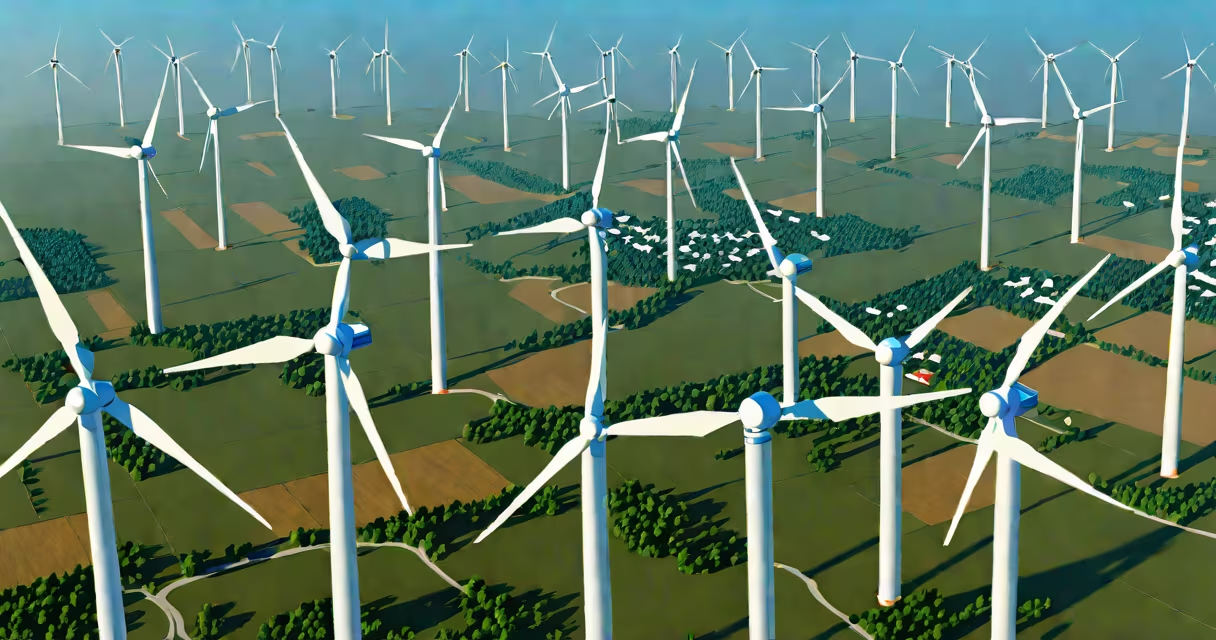
Wind power generates electricity by converting the kinetic energy of moving air into electrical energy through mechanical rotation in wind turbines. This process relies on consistent airflow over blades connected to a generator, producing clean, renewable electricity without emitting greenhouse gases during operation.
Wind power is not a single machine or fuel-it's a system rooted in physics and infrastructure. It begins with wind, which results from uneven solar heating of Earth's surface. As warm air rises and cool air moves in to replace it, pressure differences create movement. Turbines capture this motion and turn it into usable electricity.
The global installed capacity of wind power exceeded 900 gigawatts (GW) by the end of 2023, according to the International Energy Agency (IEA). That's enough to power over 200 million homes annually. In the United States, wind supplied 10% of total electricity generation in 2022, with Texas leading in installed capacity.
When wind blows across a turbine's blades, it causes them to rotate. The blades are attached to a central shaft, which spins a generator inside the nacelle-the housing atop the tower. The generator uses electromagnetic induction to convert rotational energy into electrical current.
Modern turbines operate at variable speeds. They adjust blade pitch and rotor speed based on wind conditions to maximize efficiency. A typical utility-scale turbine produces between 2 and 3 megawatts (MW) of power. At optimal wind speeds (around 12-15 m/s), it operates near peak output.
Electricity generated is stepped up via transformers to high voltage (typically 33 kV or higher) for efficient transmission over long distances. Grid operators then integrate this power into regional electricity networks, balancing supply with demand.
Wind power systems fall into two broad categories: onshore and offshore. Onshore systems dominate globally due to lower installation costs and mature technology. Offshore systems benefit from stronger, more consistent winds but face higher construction and maintenance expenses.
| Type | Typical Location | Capacity Range | Average Capacity Factor |
|---|---|---|---|
| Onshore | Rolling hills, plains, rural areas | 2-3 MW | 30-45% |
| Offshore | Shallow coastal waters, sea beds | 6-15 MW | 45-55% |
Capacity factor measures actual output versus maximum potential. Offshore turbines achieve higher factors because ocean winds are steadier than land-based ones. For example, the Hornsea One offshore wind farm in the UK has a capacity of 1.2 GW and supplies electricity to over 1 million homes.
Small-scale wind power exists too-residential turbines under 100 kW. These typically serve individual homes or farms. However, they require consistent local wind patterns and are less viable in urban settings due to turbulence and zoning restrictions.
Wind power is deployed worldwide, with the highest concentrations in Europe, North America, China, and India. Countries like Denmark generate over 50% of their electricity from wind, while Uruguay meets nearly 45% of its needs through wind and solar combined.
It's used primarily for grid-scale electricity generation. Unlike fossil fuels, wind doesn't burn fuel or produce emissions during operation. According to the U.S. Environmental Protection Agency (EPA), replacing coal plants with wind reduces carbon dioxide emissions by approximately 1,000 pounds per megawatt-hour.
Wind power supports energy independence and price stability. Once built, operating costs are low. Maintenance, however, remains a challenge-especially in remote or offshore locations. A single offshore turbine may cost $10 million to install and $1 million annually to maintain.
Many assume wind power is unreliable because wind isn't constant. But modern grids manage variability through forecasting, battery storage, and diversified energy mixes. The National Renewable Energy Laboratory (NREL) confirms that integrating 30% wind into a grid is feasible with existing technology.
Another myth is that wind turbines kill large numbers of birds. Studies show that bird fatalities from wind turbines are lower than those caused by buildings, vehicles, and domestic cats. The American Bird Conservancy estimates that wind facilities cause around 140,000 to 328,000 bird deaths annually in the U.S.-compared to 600 million from collisions with windows.
There's also confusion between wind power and wind energy. "Wind energy" refers to the raw physical force of moving air. "Wind power" specifically denotes the conversion of that energy into electricity. This distinction matters in technical contexts and policy discussions.
The Kaheawa Wind Power project on Maui, Hawaii, began operations in 2005. It consists of 18 turbines with a total capacity of 42 MW. The facility produces about 120 gigawatt-hours (GWh) annually-enough to meet roughly 10% of Maui County's electricity demand.
Local officials report that the project reduced reliance on imported diesel fuel, cutting annual CO₂ emissions by approximately 80,000 metric tons. The site also includes environmental monitoring to track impacts on native bird species and bat populations.
This project demonstrates how wind power integrates into isolated grids. Hawaii's energy mix was historically dominated by oil-fired plants. Since 2010, wind and solar have increased from 1% to over 30% of total generation.
Wind power fluctuates with weather. To ensure stable supply, excess energy must be stored or redirected. Batteries, pumped hydro, and green hydrogen are emerging solutions. For example, California's Moss Landing battery facility stores surplus wind energy for use during peak evening demand.
Grid interconnection is another hurdle. In some regions, transmission lines cannot handle the volume of new wind power. The U.S. Department of Energy notes that upgrading transmission infrastructure could enable 100 GW of additional wind capacity by 2030.
I once installed a 1-kW vertical-axis wind turbine on my property in rural Colorado. Over six months, it averaged 15 kWh per day-about 40% of my household's daily usage. During winter storms, output dropped sharply, but spring and autumn saw consistent production.
Installation required a sturdy foundation and proper alignment with prevailing wind patterns. I learned that even small turbines need careful siting. Obstacles like trees or buildings disrupt airflow and reduce efficiency by up to 30%.
Wind power is a proven, scalable solution for generating clean electricity. It transforms natural wind into electrical energy through turbines and generators. With growing global deployment and improved storage integration, wind power plays a important role in reducing emissions and building resilient energy systems. Understanding what wind power does-and how it works-is key to evaluating its role in a sustainable future.