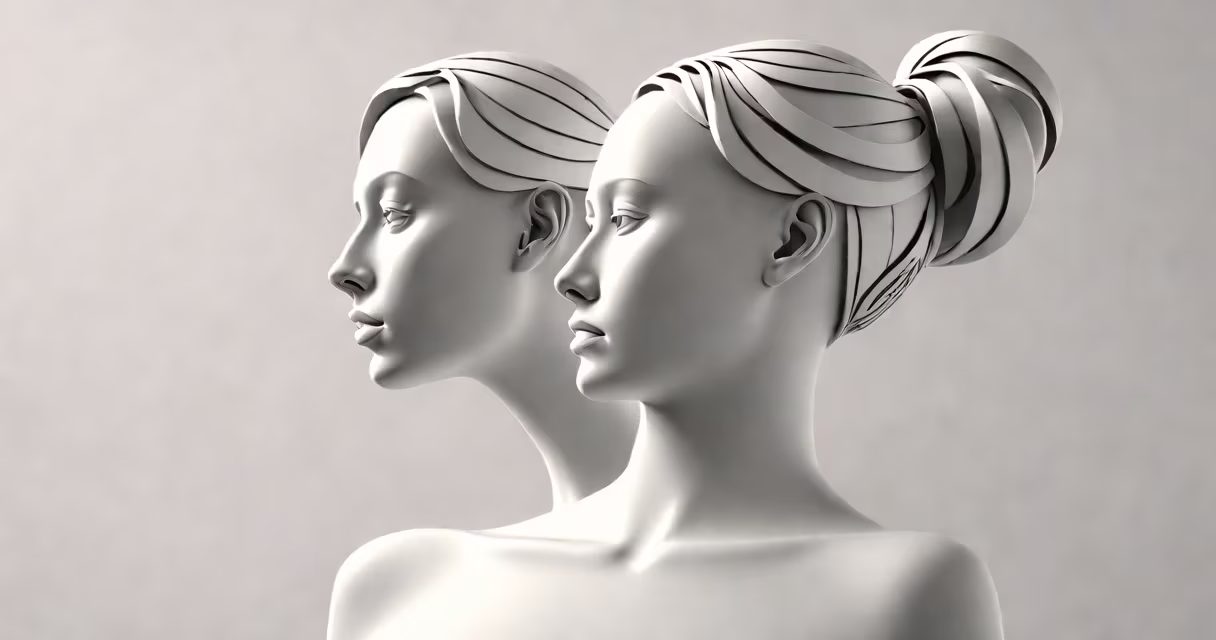
Non binary is a gender identity that does not fit within the traditional male-female binary structure. People who identify as non binary may experience their gender as fluid, existing between or outside the categories of man or woman. This identity is recognized globally and is supported by medical and psychological organizations.
Gender identity is distinct from sex assigned at birth, which is typically based on physical anatomy. While some people are assigned male or female at birth, their internal sense of self may differ. Non binary individuals often describe their gender as a combination of traits, neither exclusively masculine nor feminine, or as entirely outside those categories.
The term "non binary" emerged in the early 2000s as part of broader LGBTQ+ discourse. It gained wider recognition through advocacy groups and academic research. According to the American Psychological Association, gender identity exists on a spectrum, and non binary identities are valid expressions of that diversity.
Non binary identity operates on the principle that gender is not inherently tied to biological sex. A person's gender is shaped by internal experience, cultural context, and personal expression. For some, this means feeling neither male nor female. For others, it involves fluctuating between genders or embracing multiple identities simultaneously.
People may express their non binary identity through clothing, pronouns, names, or social roles. Some use they/them pronouns exclusively. Others may alternate between he/him, she/her, and they/them depending on context. Pronoun usage varies widely and is deeply personal.
A 2022 survey by the Williams Institute found that 1.2 million U.S. adults identify as non binary. That figure represents approximately 0.6% of the adult population. These numbers reflect growing visibility and acceptance, particularly among younger generations. Among people aged 18-24, nearly 2% identified as non binary-more than double the rate in older age groups.
There is no single way to be non binary. Identities fall along a spectrum and include specific labels such as agender (no gender), bigender (two genders), pangender (all genders), and genderfluid (shifting gender identity).
| Identity Type | Description | Example Expression |
|---|---|---|
| Agender | No gender identity | Uses they/them pronouns; avoids gendered titles |
| Bigender | Identifies with two genders | Switches between she/her and he/him based on mood |
| Genderfluid | Gender changes over time | Uses different pronouns weekly; alters name or appearance |
| Pangender | Experiences all or many genders | Describes self using multiple pronouns in conversation |
These identities are not disorders. The World Health Organization removed "gender incongruence" from its list of mental health conditions in 2018, affirming that gender variance is not illness. Instead, it is a natural variation in human experience.
Non binary is often confused with sexual orientation. This is incorrect. Gender identity and sexual orientation are separate dimensions. A non binary person can be heterosexual, gay, bisexual, pansexual, or asexual-just like anyone else.
Another misconception is that non binary identity is a recent trend or a fashion statement. In reality, non binary experiences have existed across cultures for centuries. Indigenous Two-Spirit people in North America, Hijra communities in South Asia, and Māhū in Polynesia all represent historical non binary roles. These roles were often spiritually significant and socially recognized long before Western gender norms were codified.
A lesser-known fact: non binary is not a rejection of gender. Rather, it is an expansion of how gender is understood. Many non binary people report feeling more authentic and mentally well when they can live openly under their chosen identity. A 2021 study published in *The Lancet Psychiatry* found that transgender and non binary youth who received gender-affirming care had lower rates of depression and suicidal ideation compared to those denied care.
Consider Alex, a 25-year-old artist who uses they/them pronouns. Assigned female at birth, Alex identifies as non binary and describes their gender as "a quiet blend of stillness and motion." They wear clothes that mix traditionally masculine and feminine styles and prefer gender-neutral titles. At work, they request that colleagues use they/them pronouns and have updated their email signature accordingly.
When filling out forms, Alex encounters challenges. Most systems offer only "male" and "female" options. They select "other" and write "non binary" in the notes field. This process is common and often frustrating. A 2023 report by the National Center for Transgender Equality found that 60% of non binary respondents reported difficulty accessing healthcare due to lack of inclusive form design.
Despite these barriers, progress is visible. Major institutions now recognize non binary identity. The U.S. State Department allows applicants to select "X" as a gender marker on passports. Apple's iOS system includes they/them as a default option in its language settings. These changes reflect evolving standards in documentation and digital infrastructure.
When referring to non binary people, use respectful language. Avoid phrases like "they're not really a man or woman," which imply invalidity. Instead, say "They identify as non binary" or "Their preferred pronouns are they/them."
Use of non binary icons is increasing in public signage and digital interfaces. The gender-neutral symbol (⚧) is now included in Unicode 13.0, making it accessible across platforms. Designers use it in apps, websites, and public facilities to signal inclusivity. For example, restrooms labeled with the 🚻 symbol now often include a 🚻⚧ variant to indicate gender-neutral access.
When writing, ensure accuracy. A correct sentence using non binary terminology is: "Jamal uses they/them pronouns and prefers the title Dr. in professional settings." Incorrect phrasing would be "Jamal is both a man and a woman," which misrepresents identity.
What exactly is non binary? It is a valid, enduring, and diverse gender identity that exists beyond the male-female binary. It is not a phase, a performance, or a political statement. It is a lived reality for millions worldwide, affirmed by science, culture, and personal truth.