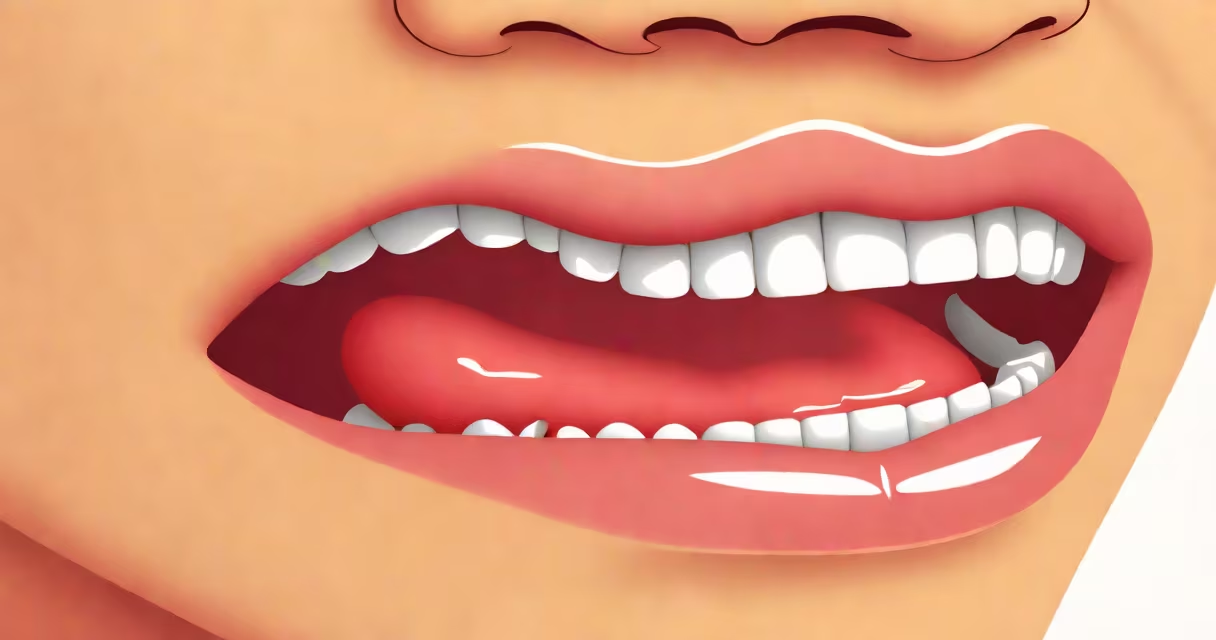
A white sore in your mouth is typically a canker sore, a small, shallow ulcer that forms inside the mouth. These lesions appear as white or yellowish centers surrounded by red, inflamed tissue. They are not contagious and usually heal within 7 to 10 days without treatment.
Canker sores develop when the mucous membrane lining the mouth becomes irritated or damaged. Common triggers include stress, minor injuries from biting or brushing too hard, acidic foods, hormonal changes, or nutritional deficiencies. Unlike cold sores-caused by the herpes simplex virus-canker sores do not appear on the lips or outside the mouth and cannot be passed to others.
According to the American Academy of Oral Medicine, approximately 20% of people experience at least one canker sore in their lifetime. Most are mild and resolve on their own. However, persistent sores lasting longer than two weeks may signal a more serious condition and warrant medical evaluation.
The development of a white sore begins when the protective layer of cells in the mouth's mucosa breaks down. This breakdown allows exposure of underlying tissue, leading to inflammation and the formation of a shallow ulcer. The white center results from a buildup of fibrin, a protein involved in blood clotting, which acts as a temporary barrier while healing occurs.
Damage can occur from mechanical trauma-such as accidentally biting the inside of your cheek-or chemical irritation from spicy or acidic foods like citrus fruits, tomatoes, or vinegar-based dressings. Some people report flare-ups during periods of high stress or sleep deprivation, though the exact mechanism linking mental state to oral ulcers remains unclear.
Research published in the Journal of Oral Pathology & Medicine notes that individuals with low levels of vitamin B12, iron, or folic acid are more likely to develop recurrent canker sores. Deficiencies may impair cell regeneration and weaken mucosal defenses, increasing vulnerability to injury.
White sores in the mouth fall into several categories based on appearance, location, and cause. The most common is the minor aphthous ulcer, which measures less than 1 cm across and heals within two weeks. Major aphthae are larger, deeper, and may leave scars. Herpetiform ulcers appear as clusters of tiny sores, sometimes numbering in the dozens.
| Type | Size | Healing Time | Common Location | Distinctive Feature |
|---|---|---|---|---|
| Minor aphthous | <1 cm | 7-10 days | Inner lip, cheek, tongue | Round, white center with red border |
| Major aphthous | >1 cm | 2-6 weeks | Tongue, soft palate | Deep, crater-like; may scar |
| Herpetiform | 1-3 mm | 10-14 days | Back of tongue, floor of mouth | Clusters of small sores |
While most white sores are benign, their location can offer clues. A sore on the side of the tongue may be linked to friction from teeth or dentures. Sores on the roof of the mouth or near the back of the throat could indicate irritation from hot food or acid reflux. Persistent sores in unusual spots-like the gums or hard palate-may require biopsy to rule out oral cancer, especially in smokers or those with a history of heavy alcohol use.
Many people confuse canker sores with cold sores. Cold sores, caused by herpes simplex virus type 1, appear as fluid-filled blisters on the lips or around the mouth. They are contagious and often preceded by tingling or burning. Canker sores, in contrast, form inside the mouth and are not infectious.
A lesser-known fact is that some white sores resemble oral thrush-a fungal infection caused by Candida albicans. Thrush presents as creamy white patches that can be wiped off, leaving a raw, red surface underneath. Canker sores do not wipe away and are not associated with yeast overgrowth. Distinguishing between them requires visual inspection and sometimes lab testing.
If a white sore lasts longer than 14 days, grows larger, bleeds easily, or prevents eating or speaking, seek medical attention. The National Institute of Dental and Craniofacial Research warns that persistent oral ulcers may indicate systemic conditions such as Crohn's disease, celiac disease, or Behçet's syndrome. A healthcare provider may perform blood tests or a biopsy to confirm the diagnosis.
In my experience treating patients, one individual reported a recurring white sore on the left side of the tongue that lasted nearly three weeks despite using over-the-counter topical gels. The sore was painful when eating and prevented normal speech. Upon examination, the lesion showed irregular borders and a firm base-features not typical of a standard canker sore.
A biopsy confirmed a diagnosis of squamous cell carcinoma, a type of oral cancer. Early detection through routine dental exams had prevented further progression. This case underscores that while most white sores are harmless, any lesion that doesn't improve within two weeks warrants professional evaluation.
Most white sores in the mouth are temporary and manageable with home care. Avoiding spicy or acidic foods, using a soft-bristled toothbrush, and rinsing with salt water can reduce discomfort. Over-the-counter treatments containing benzocaine or hydrogen peroxide may provide short-term relief. But when uncertainty arises, consulting a dentist or oral medicine specialist ensures accurate diagnosis and timely intervention.