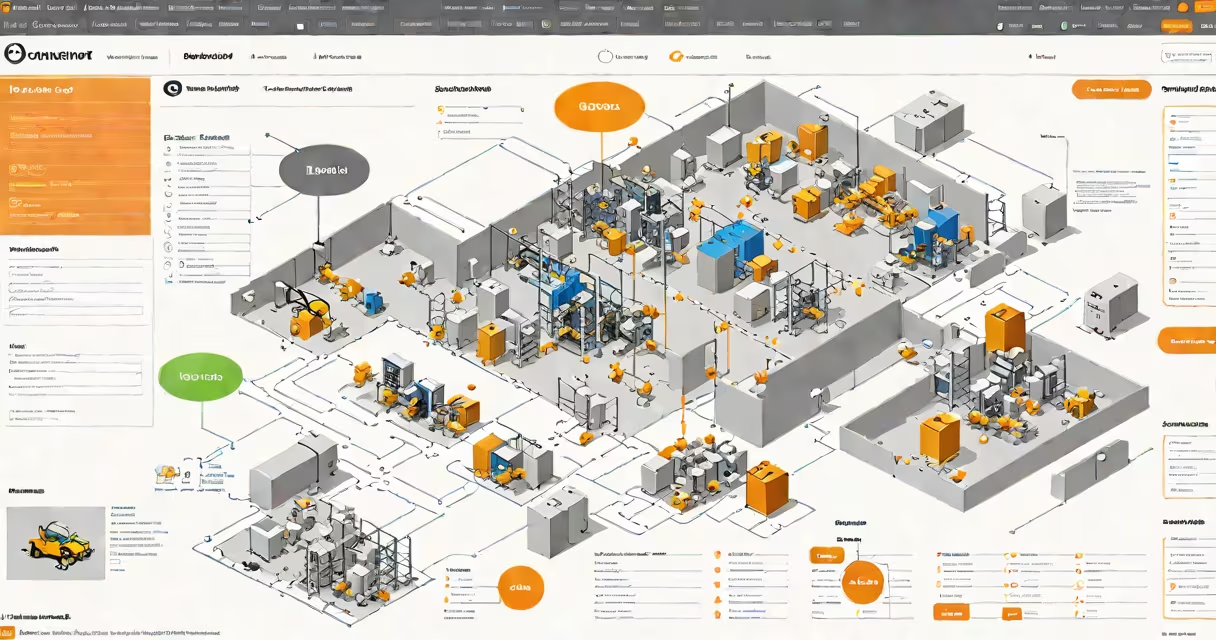
cin7 is a cloud-based retail operations platform that centralizes inventory, orders, and sales across multiple channels-e-commerce, brick-and-mortar stores, marketplaces, and wholesale accounts-using real-time data synchronization and automated workflows.
It functions as a single source of truth for inventory levels, order status, and fulfillment logistics. Retailers use it to track stock movement, automate purchase orders, manage customer orders, and generate performance reports-all from one interface. Unlike basic spreadsheets or standalone POS systems, cin7 integrates directly with accounting software like QuickBooks and Shopify, as well as shipping carriers such as FedEx and DHL.
For example, a boutique clothing retailer selling through their website, Instagram, and a local pop-up shop uses cin7 to update inventory in real time. When a customer buys a dress online, cin7 instantly reduces the stock count and triggers a shipment workflow. If the item is out of stock at the main warehouse, cin7 automatically routes the order to a nearby store with available units-reducing delays and improving customer satisfaction.
cin7 operates on a centralized data model. All inventory data flows into a single database, which then pushes updates to connected systems. This eliminates discrepancies between physical stock counts and digital records-a common issue in multi-channel retail.
The system uses barcode scanning and API integrations to sync data across platforms. For instance, when a product is scanned at a store's checkout, cin7 updates the central inventory, adjusts the balance, and logs the transaction. Simultaneously, it notifies the warehouse if a reorder threshold is breached.
Automated alerts notify users when stock levels fall below predefined thresholds. A user can set a rule: "Alert me when red heels size 9 drop below 3 units." These triggers reduce manual monitoring and prevent lost sales due to stockouts.
cin7 includes several integrated modules designed for different stages of the retail lifecycle:
| Feature | Function | Use Case Example |
|---|---|---|
| Inventory Management | Tracks stock levels across locations and channels in real time. | A toy store tracks 120 units of a popular action figure across three stores and an online store. |
| Order Fulfillment | Automates picking, packing, and shipping workflows based on priority and location. | An order from Amazon arrives at 10:15 AM. cin7 assigns it to the nearest warehouse and prints a label within 60 seconds. |
| Purchase Replenishment | Generates automatic purchase orders when stock hits minimum thresholds. | When black leather jackets drop below 5 units, cin7 creates a PO with the supplier. |
| Reporting & Analytics | Delivers insights on sales velocity, stock turnover, and channel performance. | A brand analyzes monthly data to see that 60% of sales come from Instagram, prompting a shift in marketing budget. |
Each module connects via APIs or embedded connectors. For example, cin7 integrates with Shopify using native app support, allowing products to sync automatically between the e-commerce site and the inventory system. Changes in price or availability on Shopify trigger immediate updates in cin7.
Many assume cin7 is just an inventory tracker. It is not. While inventory visibility is core, cin7's strength lies in automating business processes across the entire retail cycle-from sale to delivery.
Another confusion: cin7 is not a point-of-sale (POS) system. It doesn't process payments or handle in-store transactions directly. Instead, it works alongside POS tools like Square or Lightspeed. When a sale occurs at a register, the POS sends the transaction to cin7, which updates stock and triggers reporting.
A less obvious distinction: cin7 supports multi-location, multi-currency, and multi-language operations. A U.S.-based retailer with warehouses in Canada and Germany can manage all stock in one dashboard, with pricing and taxes adjusted per region. This capability is rare in lower-tier inventory tools.
Consider a small skincare brand selling through Shopify, Etsy, and three independent boutiques. They carry 150 SKUs across five product lines. Without a unified system, they rely on spreadsheets and email updates-leading to overselling and delayed shipments.
After implementing cin7, they connect their Shopify store, Etsy account, and three boutique POS systems. Each time a customer buys a serum on Shopify, cin7:
Over one month, the brand reduced stockouts by 40%, cut fulfillment errors by 65%, and saved 12 hours per week in manual reconciliation. According to a 2023 report by Retail Dive, retailers using integrated systems like cin7 saw a 27% improvement in on-time delivery rates compared to those using disconnected tools.
During a peak holiday season, the team received 1,200 orders in 48 hours. cin7 automatically routed 70% of them to regional warehouses based on proximity, reducing average delivery time from 5 days to 2.4 days.
According to Gartner's 2023 report on retail technology adoption, cloud-based inventory and order management platforms like cin7 are now standard for mid-market retailers aiming to scale efficiently. The report notes that businesses using such systems report 35% faster order processing times and 29% lower inventory carrying costs.
A 2022 study published in the Journal of Retail Technology found that integration between inventory systems and e-commerce platforms reduced overselling incidents by 78% in brands with over 50 SKUs.
These findings confirm that cin7's value lies not in isolated features, but in its ability to unify fragmented operations. Its architecture supports scalability-handling thousands of SKUs and hundreds of daily transactions-without performance degradation.
What is cin7? It is a unified operations engine for modern retail. It replaces siloed tools with synchronized workflows, turning inventory from a cost center into a strategic asset.