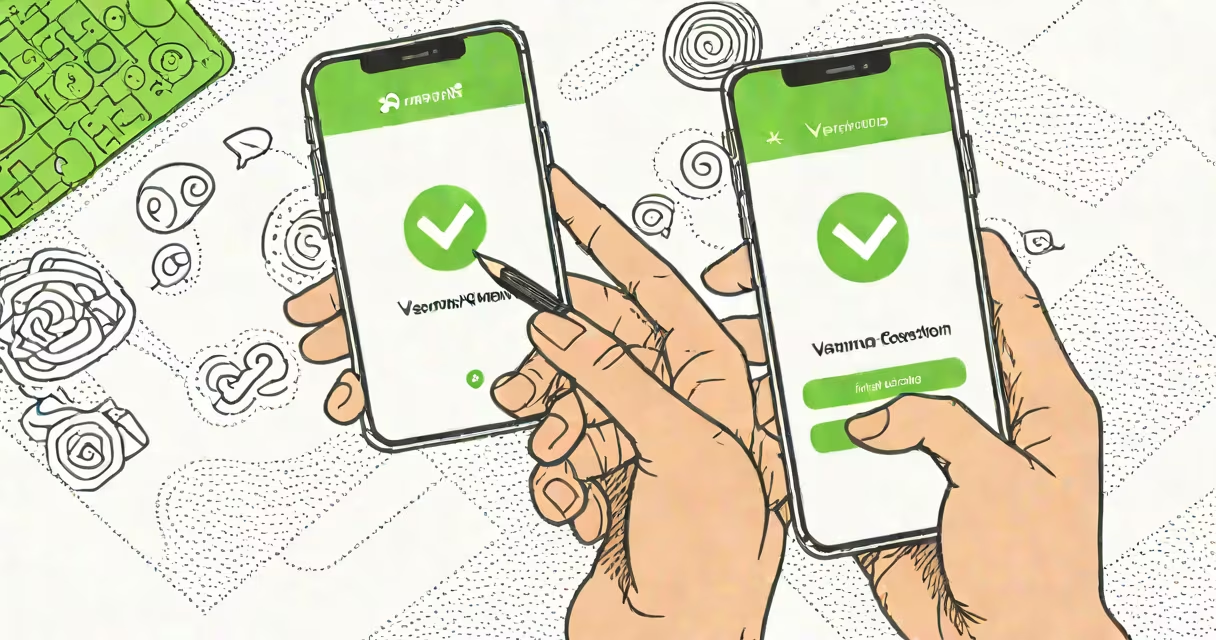
P2P payment, or peer-to-peer payment, is a digital method for transferring money directly from one person's bank account, card, or digital wallet to another's without involving a traditional financial institution as an intermediary. These transactions typically occur through mobile apps or online platforms and settle in seconds to one business day.
Unlike checks or wire transfers, which require routing through banks or clearinghouses, P2P payments use real-time processing networks. Users send funds by entering the recipient's email address, phone number, or unique ID. The sender's account is debited instantly, and the recipient receives the funds almost immediately, depending on the service and funding source.
Major services include Zelle (integrated with many U.S. banks), PayPal, Venmo, Cash App, and Apple Pay. These platforms support both personal transfers and small business payments, though they differ in speed, fees, and regulatory oversight.
When you initiate a P2P payment, the app verifies your identity and confirms your funding source-typically a linked bank account, debit card, or credit card. The system then routes the transaction through a payment network such as RTP (Real-Time Payments) or ACH (Automated Clearing House).
For example, if you send $50 via Zelle to a friend who uses the same bank, the funds move within minutes. This happens because Zelle operates on the Federal Reserve's RTP infrastructure, which processes payments 24/7, including weekends and holidays. The recipient gets a notification and can access the money immediately.
If you use PayPal, the process depends on whether you fund the transfer with a balance, bank account, or card. Transfers funded from a bank account take 1-3 business days. Instant transfers using a card cost 1.5% of the amount sent, capped at $10.
Different P2P platforms offer distinct features based on their underlying infrastructure and business models. Here's a comparison of major U.S.-based services:
| Service | Funding Source | Settlement Time | Fee Structure | Availability |
|---|---|---|---|---|
| Zelle | Bank account or debit card | Minutes (within same network) | Free | Available through 30+ U.S. banks |
| Venmo | Balance, bank, card | Instant: 1% fee (min $0.25, max $10) | Standard: Free (1-3 days); Instant: 1% fee | U.S. only |
| PayPal | Balance, bank, card | Standard: 1-3 days; Instant: 1.5% fee (max $10) | Standard: Free; Instant: 1.5% fee | Global, but limited in some countries |
| Cash App | Balance, bank, card | Standard: 1-3 days; Instant: 1% fee (min $0.25) | Free standard; 1% fee for instant | U.S. and select international markets |
Some services allow users to send money without a bank account by linking a credit or debit card. However, these often come with higher fees and slower settlement times. For instance, sending $100 via a credit card on Venmo incurs a 1% fee ($1), while the same amount sent from a bank account costs nothing.
A lesser-known fact: Zelle is not a standalone app. It's embedded in participating banks' mobile apps. You cannot sign up for Zelle independently-you must be a customer of a partner bank. This design reduces fraud risk because identities are verified through existing banking relationships.
Many people assume P2P payments are always safe because they're fast. But speed doesn't equal security. One common mistake is sending money to someone you haven't verified. Scammers often pose as friends or family members asking for urgent funds. Once sent, money is nearly impossible to recover.
The FTC reports that consumers lost over $1.6 billion to P2P scams in 2022 alone. Most involved impersonation, fake job offers, or romance fraud. In one case, a woman sent $1,200 via Zelle to a man she met online. He disappeared after receiving the funds. Because Zelle transactions are irreversible, she had no recourse.
Another misconception is that P2P payments are free. While many services charge nothing for standard transfers, instant options come with fees. PayPal charges 1.5% for instant payouts, and Cash App applies a 1% fee. These fees can add up quickly for frequent users.
Some users think P2P payments are private. But most apps display transaction details publicly unless privacy settings are adjusted. On Venmo, for example, transactions appear on a public feed unless set to "private." This visibility can expose sensitive information to strangers.
P2P payments are used daily for splitting rent, reimbursing friends, paying for services, and supporting small businesses. A typical scenario involves roommates dividing a $1,200 monthly rent bill. Instead of writing checks or carrying cash, each person sends $300 via Zelle to the landlord's account.
Here's a step-by-step breakdown of a real transaction:
This entire process takes less than five minutes and requires no paperwork. The landlord doesn't need a separate account-just a bank that supports Zelle.
I've personally used Zelle to repay a friend for concert tickets. We were at different colleges, and I didn't have cash. I sent $85 via Zelle from my checking account. My friend received it instantly and confirmed it in his app. No delays, no forms, no middleman.
Understanding what is p2p payment helps you make informed choices about how you move money. These tools simplify everyday transactions but carry risks if misused. Always verify recipients, avoid instant transfers for large sums, and review your app's privacy settings. For larger financial decisions, such as buying a home, consider what would my house payment be to plan accordingly.