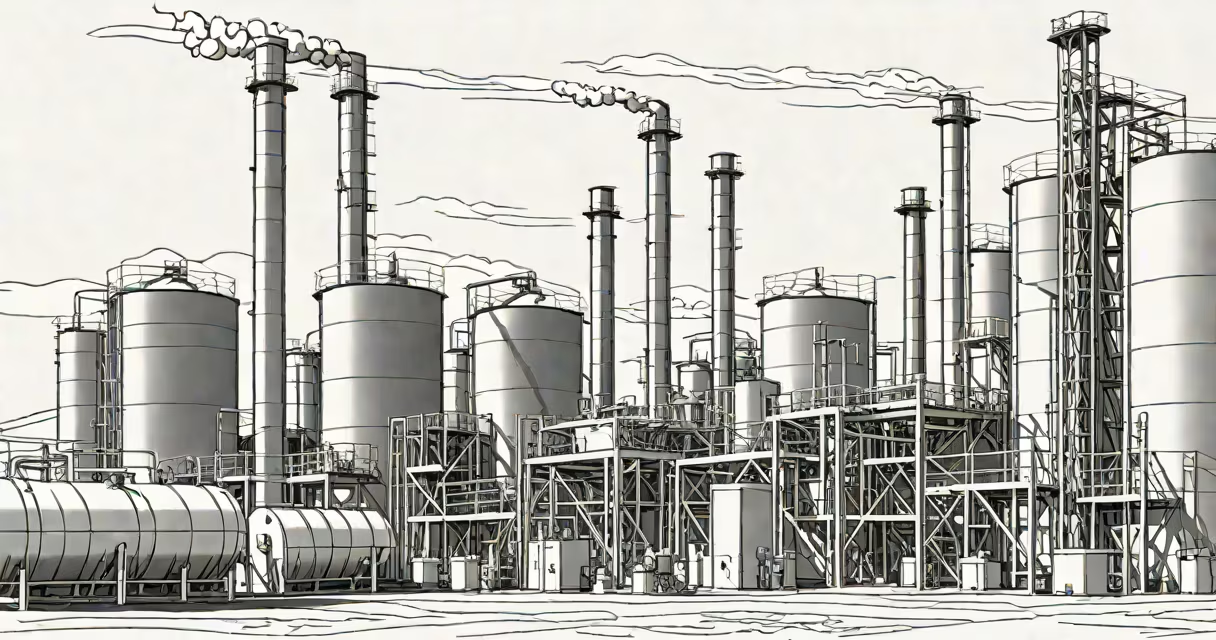
Renewable fuel is energy produced from biological materials such as plants, algae, or waste, designed to replace fossil-based fuels while reducing greenhouse gas emissions. Unlike oil or coal, renewable fuel regenerates within human timescales and emits less CO₂ when burned.
Renewable fuel operates by capturing carbon during the growth phase of its feedstock-such as corn, sugarcane, or used cooking oil-and releasing it during combustion. This closed-loop cycle results in net-zero or negative carbon emissions over time, according to the U.S. Department of Energy's National Renewable Energy Laboratory (NREL).
These fuels power vehicles, generate electricity, and heat homes. They include biodiesel, ethanol, green hydrogen, and synthetic fuels made from captured CO₂ and renewable electricity. Their use supports climate goals and energy independence.
Renewable fuel production begins with biomass-organic matter from living or recently living organisms. This material undergoes chemical or biological processes to extract usable energy. For example, ethanol is made by fermenting sugars from corn or sugarcane, then distilling the resulting alcohol.
Biodiesel follows a similar path. Triglycerides in vegetable oils or animal fats react with methanol in a process called transesterification. The result is methyl esters-biodiesel-that burn cleanly in diesel engines without major modifications.
Advanced forms like green hydrogen rely on electrolysis: splitting water into hydrogen and oxygen using renewable electricity. When burned or used in fuel cells, hydrogen produces only water vapor. NREL reports that green hydrogen can reduce lifecycle emissions by up to 95% compared to conventional diesel.
Renewable fuel falls into four main categories based on feedstock and conversion method:
| Type | Feedstock | Conversion Process | Common Use |
|---|---|---|---|
| First-generation biofuels | Corn, sugarcane, soybeans | Fermentation, transesterification | Gasoline additive (ethanol), diesel substitute (biodiesel) |
| Second-generation biofuels | Wood chips, switchgrass, agricultural residues | Thermochemical conversion (pyrolysis, gasification) | Jet fuel, industrial heating |
| Third-generation biofuels | Algae, cyanobacteria | Photobiological or biochemical extraction | High-efficiency aviation fuel, carbon capture |
| Synthetic renewable fuels | CO₂ + renewable electricity | Power-to-liquid (PtL) synthesis | Marine and long-haul transport |
First-gen fuels dominate current markets. Ethanol from U.S. corn accounts for 10% of gasoline volume nationwide, according to the Renewable Fuels Association. Biodiesel from soybean oil powers 60% of U.S. school buses in states like California and Minnesota.
Second-gen fuels avoid competition with food crops. Cellulosic ethanol from switchgrass requires no arable land and uses non-food biomass. The U.S. Environmental Protection Agency (EPA) mandates 1 billion gallons of cellulosic biofuel annually under the Renewable Fuel Standard (RFS).
Third-gen fuels offer high yields. Algae produce up to 100 times more oil per acre than soybeans. A pilot facility in Hawaii generates 5,000 gallons of algal biodiesel monthly using wastewater and sunlight.
Transportation is the largest market for renewable fuel. The International Energy Agency (IEA) estimates that 15% of global transport energy came from renewables in 2023, with biofuels making up 80% of that share.
Airlines increasingly adopt sustainable aviation fuel (SAF). United Airlines flew 1,200 commercial flights using SAF blends between 2021 and 2023. Each flight reduced CO₂ emissions by 50-80% compared to jet fuel.
Industrial facilities use biogas from landfills and wastewater treatment plants. The city of San Francisco captures methane from decomposing trash and converts it into compressed natural gas (CNG) for municipal buses. Over 2 million miles have been driven on this fuel since 2018.
Renewable fuel also supports rural economies. In Brazil, sugarcane ethanol provides jobs for over 1 million people and accounts for 18% of national transportation energy. The country's ethanol program began in 1975 and remains one of the most successful large-scale renewable fuel initiatives.
Renewable fuel is not automatically sustainable. Land-use change from growing crops for biofuels can lead to deforestation and higher emissions. A 2021 study published in *Nature Sustainability* found that palm oil-based biodiesel from Indonesia increased net emissions by 30% due to peatland destruction.
Not all biofuels are interchangeable. Ethanol cannot be blended beyond E15 in most standard gasoline engines. Using E85 (85% ethanol) requires flex-fuel vehicles. Mixing incompatible fuels causes engine damage and voids warranties.
Green hydrogen is often misunderstood as being widely available. While it produces zero emissions at point of use, current global production is limited. Only 0.1% of hydrogen used today is green; the rest comes from steam methane reforming, which emits CO₂.
One non-obvious fact: renewable fuel can improve air quality. A 2022 EPA report showed that biodiesel reduces particulate matter by 47% and nitrogen oxide by 10% compared to petroleum diesel. These reductions lower respiratory health risks in urban areas.
Iowa produces 40% of U.S. ethanol. In 2023, 1.5 billion gallons were made from 1.2 billion bushels of corn. Each gallon contains 105,000 BTUs of energy-about 70% of gasoline's energy density.
Factories in Emmetsburg and Marshalltown convert corn starch into glucose via enzymatic hydrolysis. Yeast ferments the glucose into ethanol and CO₂. The ethanol is distilled to 99.5% purity and blended with gasoline at a 10% ratio (E10).
This blend reduces tailpipe emissions by 20% compared to pure gasoline. The state's ethanol sector contributes $12 billion annually to the economy and supports 50,000 jobs.
When I visited a plant in Nevada, Iowa, in 2022, I saw the entire process-from grain silos to distillation towers-run on solar-powered pumps and recycled cooling water. The facility's carbon footprint was 40% lower than industry average.
Renewable fuel is a important component of decarbonizing energy systems. It includes ethanol, biodiesel, green hydrogen, and synthetic fuels derived from biological or atmospheric sources. Its use reduces dependence on fossil fuels and lowers emissions across transport, industry, and power generation.
Understanding the differences between types-first, second, third, and synthetic-is essential for evaluating environmental impact and scalability. Real-world adoption varies widely, from Brazil's national ethanol program to emerging SAF projects in Europe.