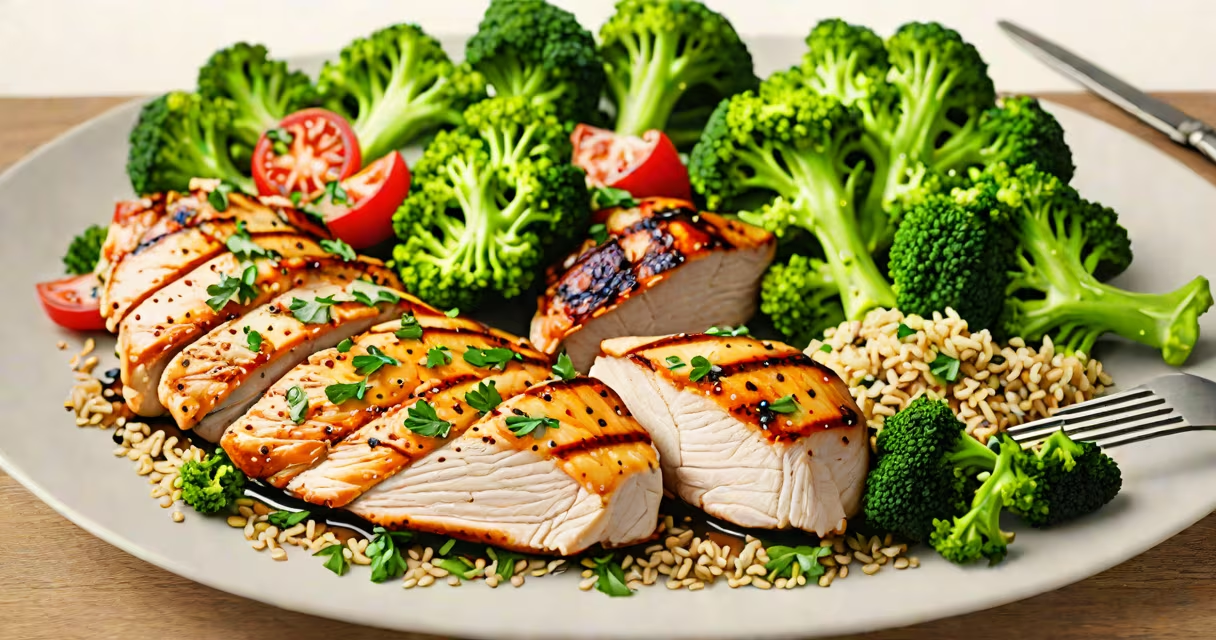
Essential amino acids are nine specific amino acids your body cannot synthesize and must obtain from food. They serve as the foundational units for protein synthesis and are required for enzyme function, hormone production, and tissue repair.
These nine amino acids-histidine, isoleucine, leucine, lysine, methionine, phenylalanine, threonine, tryptophan, and valine-are indispensable because the human body lacks the necessary enzymes to produce them de novo. Without dietary intake, deficiency symptoms such as muscle wasting, weakened immunity, and impaired growth can develop.
The term "essential" reflects biological necessity, not nutritional hype. Unlike non-essential amino acids, which the liver can generate from intermediates like pyruvate or α-ketoglutarate, essential amino acids require external supply. This distinction is critical in clinical nutrition, especially for patients with metabolic disorders or those relying on medical formulas.
Each essential amino acid plays a unique role in cellular processes. Leucine, for example, activates mTOR-a master regulator of muscle protein synthesis-making it important for recovery after resistance training. Tryptophan is a precursor to serotonin and melatonin, influencing mood and sleep regulation.
Non-essential amino acids can be produced internally under normal conditions, but their synthesis depends on adequate nitrogen and carbon skeletons. When dietary intake is insufficient, even non-essential amino acids may become conditionally essential. For instance, during severe illness or trauma, arginine becomes essential due to increased demand.
Protein quality is assessed using the Digestible Indispensable Amino Acid Score (DIAAS), which measures how well a food delivers essential amino acids relative to human requirements. A score above 0.75 indicates high-quality protein. Eggs, milk, and soy have DIAAS values near 1.0, while most plant proteins fall below 0.7.
Complete protein sources provide all nine essential amino acids in proportions aligned with human needs. Animal-based foods like beef, fish, eggs, and dairy are complete. Plant-based options include quinoa, buckwheat, and soy products-but most legumes and grains lack one or more essential amino acids.
| Amino Acid | Primary Dietary Sources | Key Biological Role |
|---|---|---|
| Leucine | Beef, chicken, whey protein | Stimulates muscle protein synthesis via mTOR pathway |
| Lysine | Legumes, meat, dairy | Involved in collagen formation and calcium absorption |
| Methionine | Eggs, fish, Brazil nuts | Contributes to detoxification and antioxidant synthesis |
| Tryptophan | Chicken, turkey, oats, seeds | Used to make serotonin and niacin (vitamin B3) |
| Phenylalanine | Dairy, meat, avocados | Converts to tyrosine, which supports dopamine production |
Plant-based diets require careful food pairing to ensure sufficient intake. Combining rice (low in lysine) with beans (low in methionine) creates a balanced profile. A study published in Advances in Nutrition found that vegetarians consuming varied whole foods met essential amino acid needs without supplementation.
Many assume that essential amino acids are only relevant to athletes or bodybuilders. This is incorrect. Even sedentary individuals require them for immune cell maintenance, wound healing, and neurotransmitter balance. Deficiency signs often appear subtly-fatigue, hair thinning, poor concentration-before overt symptoms emerge.
Another widespread error is equating "complete protein" with animal-only sources. While animal proteins are complete, certain plant combinations achieve completeness. For example, a meal of lentils and brown rice provides all nine essential amino acids in adequate ratios. The Academy of Nutrition and Dietetics confirms that well-planned vegetarian and vegan diets support health across all life stages.
Some supplements market "essential amino acid blends" as performance enhancers. However, research from the Journal of the International Society of Sports Nutrition shows that unless total protein intake is low, isolated EAAs offer minimal benefit over whole-food protein sources. Overconsumption can strain renal function in people with existing kidney disease.
For a 70 kg adult, the Recommended Dietary Allowance (RDA) for essential amino acids totals approximately 60 grams per day. This equates to about 0.8 g/kg/day of high-quality protein. A single 150-gram serving of salmon provides roughly 30 grams of protein, covering nearly half the daily requirement.
Consider a typical day's intake: breakfast with scrambled eggs (12 g protein), lunch with grilled chicken salad (35 g protein), and dinner of baked cod with quinoa (40 g protein). Total protein intake exceeds 80 grams, easily meeting essential amino acid needs. This pattern aligns with guidelines from the World Health Organization and the USDA.
I once observed a client following a strict raw vegan diet who developed iron-deficiency anemia and low plasma tryptophan levels. After adjusting his meals to include soaked chia seeds, sprouted lentils, and fortified nutritional yeast, his blood markers improved within eight weeks. This case underscores that essential amino acids aren't just about quantity-they're about bioavailability and dietary diversity.