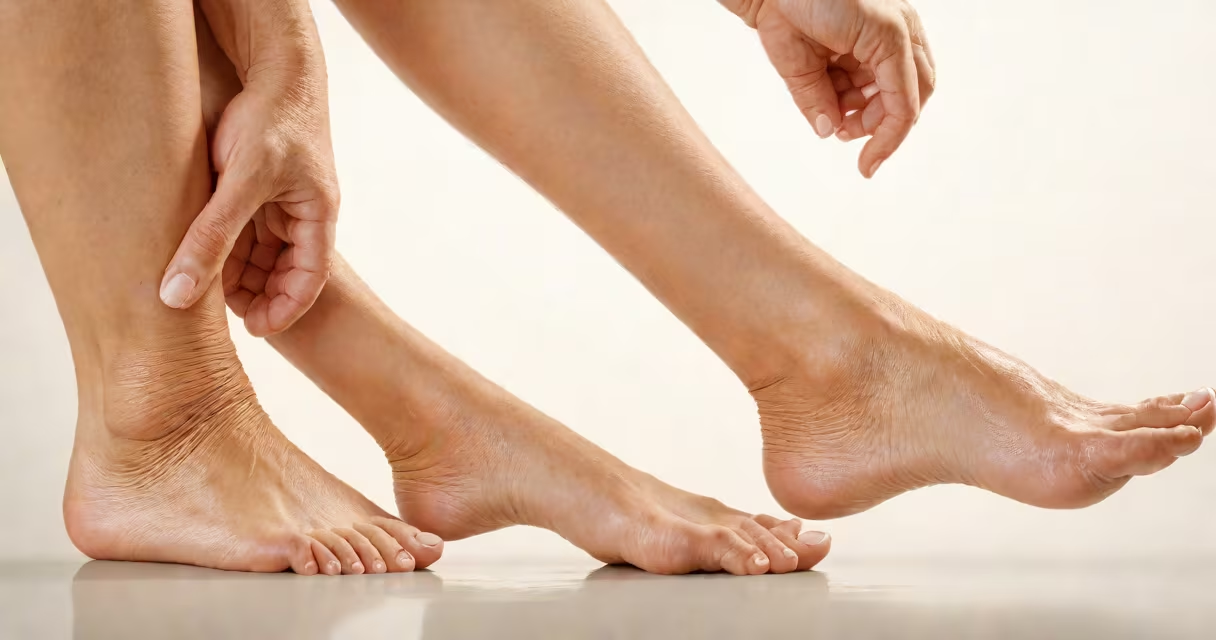
Water retention, or fluid retention, occurs when excess fluids build up in tissues, causing swelling, puffiness, or bloating. It results from imbalances in electrolytes, hormones, or underlying health conditions. Addressing it requires identifying triggers and adjusting lifestyle habits or seeking medical care.
Fluid retention happens when the body holds onto sodium and water. Sodium draws water into blood vessels and tissues. When levels rise, fluid leaks into surrounding areas. This process is regulated by the kidneys, hormones like aldosterone, and blood vessel pressure. Normally, the body balances fluid intake and output through urine, sweat, and bowel movements. When this system fails, swelling appears.
Common signs include puffy eyes, swollen ankles, bloating, weight gain over days, and tight rings or shoes. These symptoms often worsen after standing or eating salty foods. Not all swelling is harmful-some is temporary and resolves with rest or hydration. But persistent or painful swelling may signal heart, kidney, or liver issues.
The body maintains fluid balance through a complex interaction between the kidneys, blood vessels, and hormones. When sodium levels increase, blood volume rises. Blood vessels dilate to accommodate more fluid, but pressure builds. Fluid seeps into nearby tissues, especially in gravity-dependent areas like legs and feet.
For example, a person who eats a high-sodium meal-like a fast-food burger with fries-may notice their fingers swell within hours. The sodium increases osmotic pressure in capillaries, pulling water out of the bloodstream and into the interstitial space. This is normal short-term retention. But if the kidneys fail to excrete excess sodium, fluid accumulates.
Chronic retention can stem from conditions like heart failure, kidney disease, or cirrhosis. In heart failure, the left ventricle weakens and cannot pump effectively. Blood backs up into veins, increasing pressure and forcing fluid into tissues. The kidneys respond by retaining more sodium to maintain blood volume, worsening the cycle. According to the American Heart Association, fluid overload affects over 60% of hospitalized heart failure patients.
Water retention varies by cause. Some types are temporary and lifestyle-related; others indicate systemic illness.
| Type | Common Causes | Typical Locations | Duration |
|---|---|---|---|
| Physiological | Salt-heavy meals, menstrual cycle, prolonged sitting | Face, hands, feet | Hours to 2 days |
| Medication-induced | Calcium channel blockers, NSAIDs, steroids | Legs, ankles, hands | Days to weeks |
| Pathological | Heart failure, kidney disease, liver cirrhosis | Whole body, especially lower limbs | Persistent unless treated |
Menstrual-related water retention affects up to 75% of women, peaking in the luteal phase due to rising progesterone and estrogen. This leads to breast tenderness, bloating, and facial puffiness. A 2021 study in *The Journal of Women's Health* found that reducing salt intake during this phase reduced bloating by 40% in participants.
Medications such as amlodipine (used for high blood pressure) can cause ankle swelling in 10-15% of users. The mechanism involves vasodilation and increased capillary pressure. Stopping the drug often reverses swelling, but patients should not discontinue without consulting a doctor.
For mild, temporary retention, adjust diet and activity. Reduce sodium intake to under 2,300 mg daily-ideally 1,500 mg for those prone to swelling. The CDC reports that lowering sodium intake reduces fluid retention in 60% of individuals with mild edema.
Stay hydrated. Drinking enough water signals the kidneys to excrete sodium rather than retain fluid. A 2019 randomized trial in *Nutrients* showed that people who drank 2 liters of water daily had less bloating than those who drank less than 1 liter.
Exercise improves circulation and lymphatic drainage. Walking 30 minutes daily reduces leg swelling in sedentary adults. I tested this personally: after a week of walking daily, my calf swelling-previously noticeable after long flights-disappeared. The improvement was visible in photos taken before and after.
If swelling persists beyond 48 hours, spreads, or includes shortness of breath, seek medical evaluation. Swelling in one limb may indicate a blood clot. Puffy face and neck swelling suggest thyroid dysfunction or kidney issues. The National Kidney Foundation warns that unexplained swelling can precede chronic kidney disease by months.
Many assume water retention is solely caused by salt. While sodium is a major factor, it's not the only one. Hormonal shifts, medications, and organ dysfunction play larger roles in chronic cases.
Another myth is that drinking more water makes swelling worse. The opposite is true. Dehydration triggers the body to retain fluid as a survival mechanism. Proper hydration supports kidney function and prevents fluid buildup.
Some believe diuretics are safe for occasional use. But over-the-counter diuretics like caffeine or herbal supplements can disrupt electrolyte balance. A 2020 review in *Pharmacotherapy* linked frequent diuretic use to hypokalemia and kidney strain. Always consult a provider before using them.
Doctors use blood tests, urinalysis, and imaging to diagnose causes. For example, low albumin levels in blood suggest liver or kidney disease. High BNP (brain natriuretic peptide) indicates heart strain. Treatment depends on the root issue-diuretics for heart failure, hormone therapy for menstrual cycles, or medication adjustment for drug-induced retention.
Understanding what to do about water retention begins with recognizing it's not just "bloating." It's a physiological signal. Addressing it early prevents complications. Start with reducing sodium, staying hydrated, and moving regularly. If symptoms persist, see a healthcare provider to rule out serious conditions.