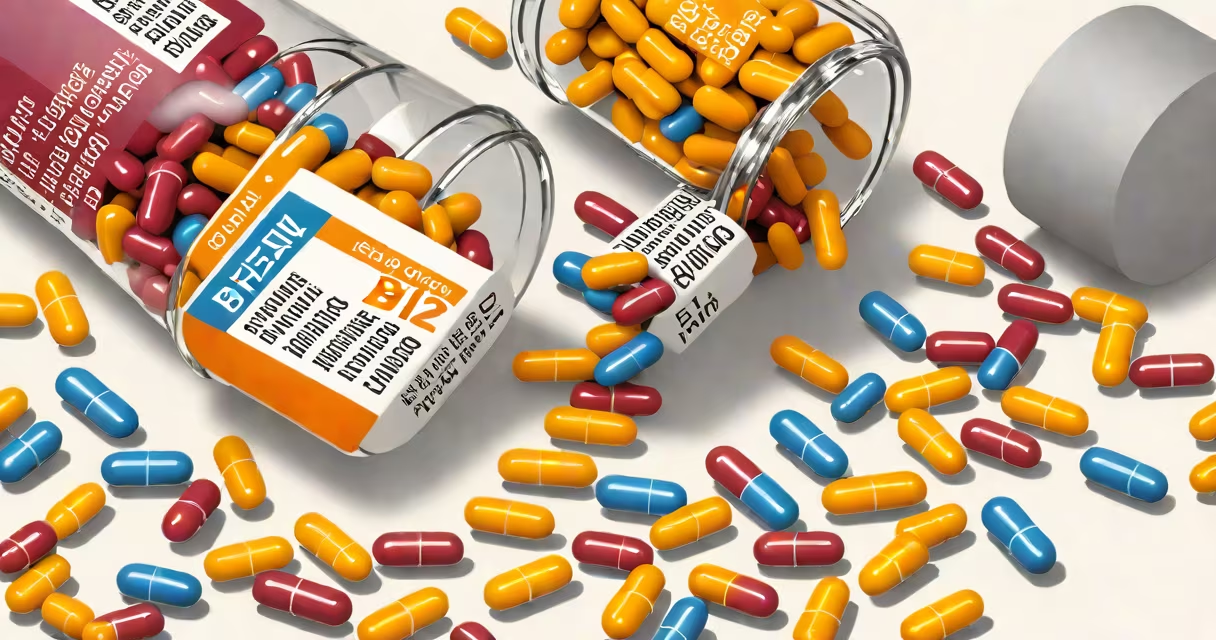
Anemia occurs when blood lacks enough healthy red blood cells to carry oxygen. Certain vitamins-particularly B12, folate, and iron-are essential for preventing or treating specific types of anemia. Iron is not a vitamin but a mineral; however, it's often grouped with vitamins in discussions about anemia.
Anemia isn't a single condition. It results from various deficiencies, illnesses, or genetic factors. The most common forms stem from low levels of iron, vitamin B12, or folate. Each nutrient plays a distinct role in red blood cell production. Without sufficient B12 or folate, DNA synthesis slows, leading to large, immature red blood cells. Iron deficiency disrupts hemoglobin formation, reducing oxygen transport capacity.
According to the National Institutes of Health (NIH), iron-deficiency anemia affects about 10% of women of childbearing age in the U.S., while vitamin B12 deficiency impacts up to 6% of adults over 60. Folate deficiency is less common but still significant in populations with poor dietary intake or malabsorption disorders.
Different forms of anemia require different nutritional interventions. The most effective treatment depends on identifying the root cause through blood tests.
Iron-deficiency anemia is the most prevalent form worldwide. It arises when iron stores are depleted due to inadequate diet, blood loss (such as heavy menstrual bleeding), or poor absorption. Hemoglobin-the protein in red blood cells that binds oxygen-requires iron to function. Without it, cells don't receive enough oxygen, causing fatigue, weakness, and pale skin.
Vitamin B12 deficiency leads to megaloblastic anemia. This condition features abnormally large red blood cells that don't function properly. B12 is critical for nerve health and DNA replication. A lack of B12 can result from strict vegan diets, pernicious anemia (an autoimmune disorder that blocks B12 absorption), or gastrointestinal surgery.
Folate deficiency also causes megaloblastic anemia. Folate, or vitamin B9, supports rapid cell division during red blood cell development. Low intake-common in people who consume little leafy greens, legumes, or fortified grains-can lead to this form. Alcohol abuse and certain medications further reduce folate levels.
| Type of Anemia | Primary Deficient Nutrient | Common Causes | Treatment Approach |
|---|---|---|---|
| Iron-deficiency anemia | Iron (mineral) | Poor diet, blood loss, malabsorption | Oral iron supplements, dietary changes |
| Megaloblastic anemia (B12-related) | Vitamin B12 | Vegan diet, pernicious anemia, GI surgery | B12 injections or high-dose oral supplements |
| Megaloblastic anemia (folate-related) | Folate (B9) | Low intake, alcoholism, medication use | Folate supplementation, improved diet |
Using the wrong supplement can delay recovery or worsen symptoms. For example, giving iron to someone with B12 deficiency may mask fatigue but doesn't fix neurological damage. Over time, untreated B12 deficiency can lead to irreversible nerve degeneration.
A 2021 study published in The American Journal of Clinical Nutrition found that 28% of patients diagnosed with anemia were misclassified initially. Many received iron supplements despite normal iron levels, delaying proper diagnosis of B12 deficiency. Early testing prevents long-term complications.
One patient I saw had persistent fatigue and tingling in hands and feet. Blood work showed low B12 and normal iron. He'd taken iron tablets for months with no improvement. After switching to B12 injections, energy returned within weeks. This case illustrates why symptom-based treatment fails without lab confirmation.
Many assume "vitamin for anemia" means B12 or folate. But iron is not a vitamin-it's a mineral. Confusing the categories leads to incorrect supplement choices. The term "vitamin" applies only to organic compounds required in small amounts for metabolic processes. Iron fits under minerals.
Another misunderstanding: vitamin C helps absorb iron but does not treat anemia alone. It enhances iron uptake from plant-based foods (non-heme iron), which are less efficiently absorbed than animal-source iron (heme iron). A person with iron-deficiency anemia may benefit from pairing spinach with lemon juice-but only if they're also consuming adequate iron.
For example, a meal of lentils with tomato sauce provides 6 mg of iron and 15 mg of vitamin C. Together, they boost iron absorption by up to 30%. But eating lentils without vitamin C offers far less benefit. This synergy is why doctors recommend combining vitamin C-rich foods with iron sources.
Self-treating anemia with over-the-counter supplements risks missing underlying conditions such as celiac disease, chronic kidney disease, or internal bleeding. Symptoms like dizziness, cold extremities, or shortness of breath warrant blood testing.
The Mayo Clinic recommends checking serum ferritin (iron storage), hemoglobin, hematocrit, and vitamin B12 levels when anemia is suspected. A complete blood count (CBC) is the first test. Abnormal results trigger further investigation.
No single vitamin treats all anemia. The correct answer depends on the type. Vitamin B12 addresses B12-deficiency anemia. Folate (B9) corrects folate-related cases. Iron, though not a vitamin, is essential for iron-deficiency anemia. Always confirm the cause through medical testing before starting supplements.