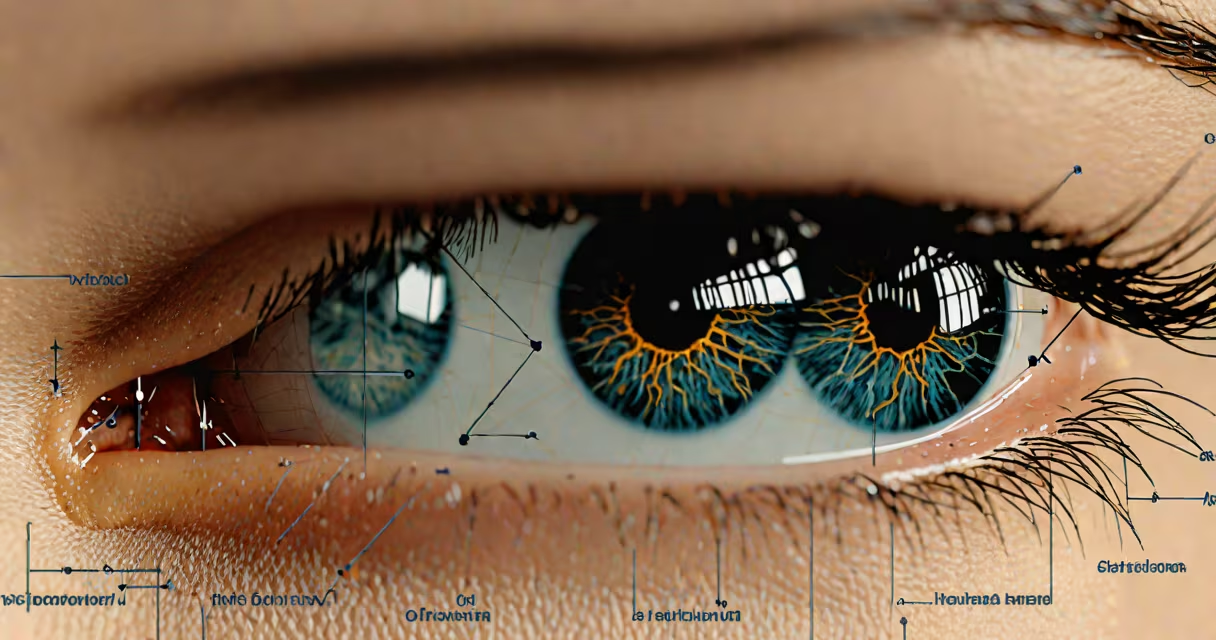
Excessive tearing occurs when your eyes produce more tears than they can drain, often due to irritation, dryness, or blocked drainage pathways. This isn't always emotional-it's a physiological response to stress on the ocular surface.
Tears are produced by the lacrimal glands above each eye and drained through tiny openings called puncta, located at the inner corners of the eyelids. From there, fluid flows into the nasolacrimal duct and exits through the nose. When this system is overwhelmed or obstructed, tears spill over the eyelid edges.
A common misconception is that watery eyes mean your eyes are too wet. In reality, many cases stem from dry eye syndrome, where the eyes lack sufficient lubrication. The brain responds by overproducing tears in a failed attempt to compensate. According to the American Academy of Ophthalmology, dry eye affects over 16 million adults in the U.S., with excessive tearing being a frequent symptom.
The lacrimal system operates in two modes: baseline secretion and reflex tearing. Baseline tears maintain moisture during normal activity. Reflex tearing kicks in when the eye detects foreign particles, wind, smoke, or bright light. This surge is meant to flush out irritants quickly.
For example, chopping onions releases allyl sulfide, a volatile compound that triggers nerve endings in the cornea. The brain sends signals to the lacrimal glands to flood the eye with tears-up to 10 times the normal volume in seconds. This is a protective reflex, not a malfunction.
However, chronic reflex tearing suggests an underlying issue. If your eyes water when reading, using a computer, or walking outdoors, the problem may lie in tear film instability, inflammation, or structural blockages. The Mayo Clinic notes that persistent tearing can indicate conditions like blepharitis, conjunctivitis, or even vitamin A deficiency.
Not all tearing is the same. Different patterns point to different root causes:
| Type | Trigger | Underlying Cause | Typical Duration |
|---|---|---|---|
| Reflex tearing | Wind, smoke, bright light | Irritation or corneal sensitivity | Seconds to minutes |
| Dry eye-related tearing | Screen time, air conditioning | Inadequate tear quality or volume | Hours, recurring |
| Blocked tear ducts | Infant or elderly onset | Nasolacrimal duct obstruction | Persistent, often unilateral |
| Allergic reaction | Pollen, pet dander | Immune response to allergens | Minutes to days |
One non-obvious fact: people with dry eye syndrome often report tearing despite their eyes feeling gritty or burning. This paradox arises because the tear film lacks proper lipid and mucin layers, leading to poor distribution. The cornea senses dehydration and signals the brain to release excess aqueous tears-resulting in overflow.
During a routine exam, I observed a 42-year-old office worker whose eyes watered every time she looked at her monitor. Her vision was clear, but she reported discomfort after 30 minutes of screen use. Upon examination, her tear breakup time was under 5 seconds-a sign of unstable tear film. She was diagnosed with evaporative dry eye, treated with artificial tears and lid hygiene. Within two weeks, tearing dropped by 80%.
Watery eyes aren't always caused by external factors. Structural issues like inverted eyelashes (trichiasis), eyelid malposition, or scarring from injury can physically stimulate tear production. In infants, congenital nasolacrimal duct obstruction affects about 5% of newborns and often resolves within the first year.
Another overlooked cause is medication side effects. Antihypertensives like clonidine, antihistamines such as diphenhydramine, and certain antidepressants can reduce tear secretion or alter drainage. If tearing began after starting a new prescription, consult your doctor before discontinuing.
Some patients mistake chronic tearing for conjunctivitis. However, bacterial or viral conjunctivitis typically presents with redness, discharge, and crusting. If your eyes are watery but not red or sticky, infection is less likely.
If tearing persists beyond a few days or interferes with daily life, see an ophthalmologist. A simple test called fluorescein staining can reveal dry spots on the cornea. Tear osmolarity testing measures salt concentration-high levels signal inflammation. Imaging like dacryoscintigraphy can assess duct function.
Simple home remedies include warm compresses for blocked ducts, avoiding known allergens, and using preservative-free artificial tears. Limit screen time to 20 minutes at a stretch, following the 20-20-20 rule: every 20 minutes, look 20 feet away for 20 seconds.