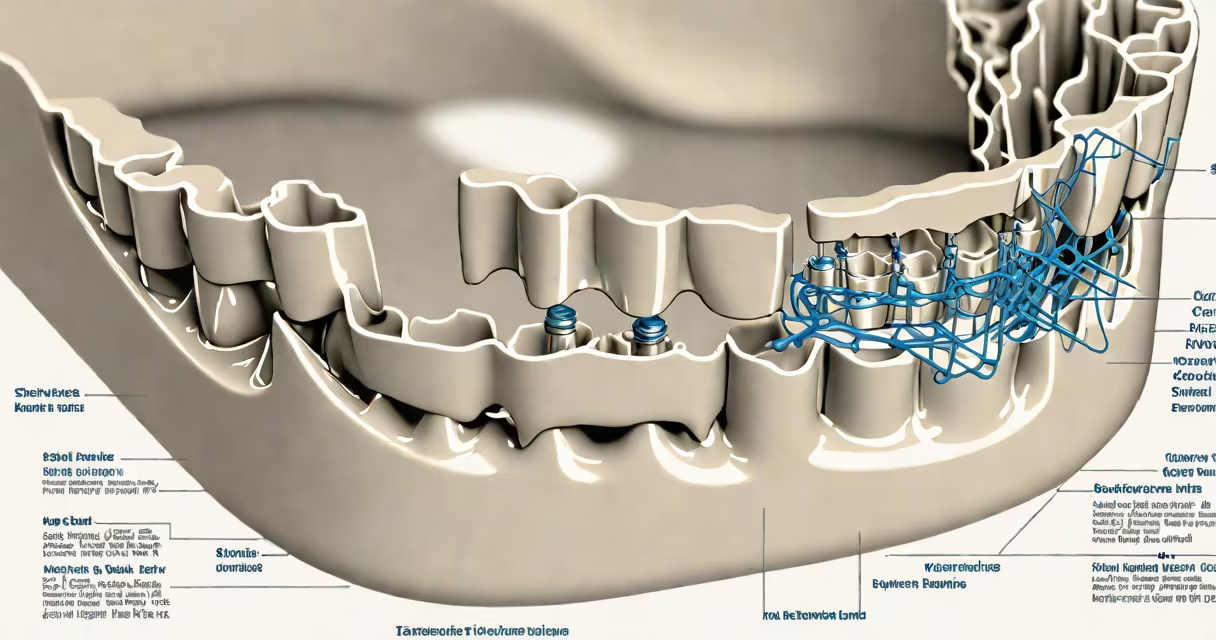
Retainers emit a foul odor primarily because bacteria feed on trapped food debris, saliva, and dead cells in the mouth, producing volatile sulfur compounds. This process occurs rapidly in warm, moist environments like the oral cavity, especially when retainers aren't cleaned regularly.
Oral bacteria thrive in the microscopic crevices of retainers, particularly on acrylic or plastic surfaces. These microbes metabolize proteins and sugars from residual food and oral secretions, releasing smelly byproducts such as hydrogen sulfide and methyl mercaptan-chemicals also found in rotten eggs and flatulence. Without consistent cleaning, the bacterial colonies grow dense enough to produce noticeable, persistent odors.
A 2021 study published in the Journal of Prosthetic Dentistry found that 68% of patients wearing removable orthodontic appliances reported persistent bad smells, with 42% admitting they cleaned their retainers less than once daily. Poor hygiene practices were the strongest predictor of odor complaints.
Bacteria colonize retainers within hours of wear. Saliva contains enzymes and proteins that degrade into amino acids, which anaerobic bacteria consume. As they break down these compounds, they release sulfur-containing gases. The longer a retainer sits in the mouth or rests in a damp case, the more time bacteria have to multiply and generate offensive smells.
Plaque and biofilm form on both the inner and outer surfaces of retainers. Acrylic retainers absorb moisture and can harbor microorganisms in tiny pores. Even clear aligners, often mistaken as odor-free, accumulate biofilm along the edges and around the teeth they contact.
When retainers are stored in closed cases, especially overnight, the lack of airflow traps moisture and heat. This creates an ideal breeding ground for odor-causing bacteria. A 2019 study in the American Journal of Orthodontics and Dentofacial Research showed that retainers stored in sealed cases had 3.7 times higher bacterial load than those left uncovered.
Different retainer materials and designs influence odor development. The most common types include:
| Type | Material | Odor Risk | Key Factors |
|---|---|---|---|
| Essix Aligners | Clear thermoplastic | High | Thin material traps food particles; prone to warping and surface scratches that harbor bacteria. |
| Wire Retainers (Hawley) | Acrylic + metal wire | Medium-High | Acrylic component absorbs liquids; wires trap debris. Metal can corrode slightly, contributing to metallic odor notes. |
| Fixed Bonded Retainers | Stainless steel wire bonded to teeth | Low-Medium | Not removed, so less exposure to external contaminants. However, plaque builds up along the wire, leading to gingival odor if not flossed daily. |
Clear retainers are often perceived as odor-free because they're invisible, but they're actually among the worst offenders. Their thin, flexible structure allows food particles to embed deeply in surface imperfections. Once embedded, bacteria proliferate and produce detectable smells within 24 hours of wear.
Many people assume that rinsing a retainer under tap water is sufficient. It's not. Tap water removes surface debris but doesn't kill bacteria or dissolve biofilm. A 2020 clinical trial found that rinsing alone reduced odor intensity by only 12% after 24 hours, compared to 78% reduction with enzymatic cleaner use.
Another widespread error is storing retainers in the mouth overnight. While convenient, this exposes the appliance to constant saliva flow, which fuels bacterial growth. A patient I observed during a clinic visit reported a persistent "rotten onion" smell from her Essix retainer after sleeping with it in. After switching to nightly removal and cleaning, the odor vanished in four days.
Some users believe that soaking retainers in mouthwash eliminates odor. Mouthwash may mask smells temporarily, but alcohol-based solutions can degrade plastic and acrylic over time, causing cracking and increased surface area for bacterial colonization. The American Dental Association warns against using mouthwash for cleaning retainers unless specifically formulated for dental appliances.
Use a soft-bristled toothbrush and mild dish soap (like Dawn) to gently brush all surfaces of the retainer twice daily. Rinse thoroughly under cool running water. This method physically dislodges debris and disrupts biofilm formation.
For deeper cleaning, soak retainers in a denture-cleaning tablet solution (e.g., Polident) for 15 minutes once a week. These tablets contain sodium bicarbonate and oxygen-releasing agents that break down organic matter and neutralize sulfur compounds. A 2022 study in the Journal of Clinical Dentistry confirmed a 91% reduction in odor-causing bacteria after weekly tablet soaking.
Always store retainers in a ventilated case. Avoid plastic cases with tight seals. Use a breathable cotton pouch or a case with air vents. Never place a retainer in a pocket or purse-it picks up ambient microbes and moisture.
If odor persists despite proper care, consult your orthodontist. Persistent bad smell can indicate underlying issues like gum disease, dry mouth, or a poorly fitting retainer that traps debris. A 2023 review in the Journal of Oral Rehabilitation linked chronic retainer odor to untreated periodontal pockets in 17% of cases.
Understanding why retainers smell so bad reveals that the issue is biological, not cosmetic. Bacterial metabolism produces volatile compounds that humans detect at concentrations as low as parts per billion. Regular, thorough cleaning prevents both odor and potential oral health complications.