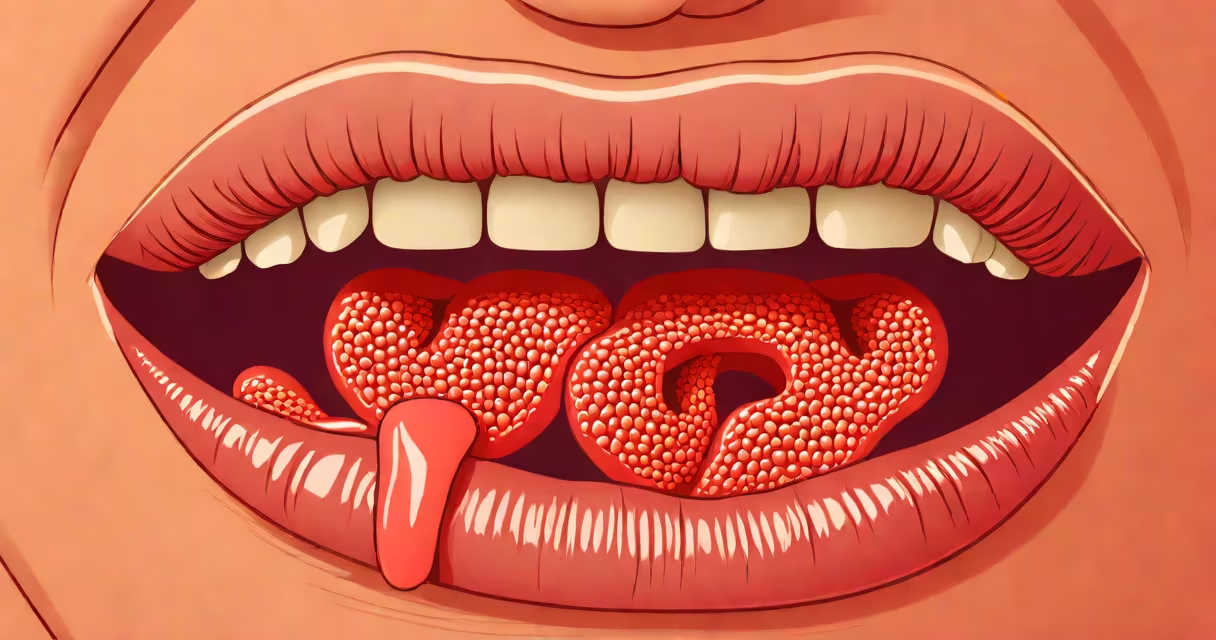
Taste buds are clusters of sensory cells on the tongue that detect sweet, salty, sour, bitter, and umami flavors. They don't disappear entirely, but their function can fail due to damage, inflammation, or nerve disruption. This loss is often temporary and tied to illness, medication, or injury.
Taste buds regenerate every 10 to 14 days, but they require healthy surrounding tissue and proper nerve signaling to work. When the cells die or become inflamed, or when nerves carrying signals to the brain are damaged, taste perception drops-even if the buds themselves remain physically present.
Loss of taste is frequently mistaken for loss of smell, but the two are distinct. Taste detects basic flavor elements; smell identifies complex aromas. A person can lose smell without losing taste, and vice versa. However, most cases of taste loss involve both senses working together.
Taste is not just about the tongue. Flavor arises from the combined input of taste, smell, texture, temperature, and even visual cues. The brain integrates these signals into a single experience. Without smell, food tastes bland-even if taste buds are intact.
When you eat, chemicals from food bind to taste receptors on the surface of taste buds. These cells send electrical signals through cranial nerves to the brainstem, then to the cortex. Damage anywhere along this pathway disrupts flavor recognition.
A 2021 study published in *Nature* showed that SARS-CoV-2 targets support cells in the nasal epithelium, not just olfactory neurons. This explains why many patients report sudden loss of smell-and by extension, taste-during early stages of COVID-19, even without respiratory symptoms.
Viral infections are the leading cause of short-term taste disturbance. Rhinovirus (common cold), influenza, and SARS-CoV-2 all trigger inflammation in the upper airway, blocking odor molecules from reaching the olfactory bulb. Since smell contributes 80% of perceived flavor, this leads to a dramatic reduction in taste sensation.
Medications also play a major role. Over 600 drugs list altered taste as a side effect, including antihypertensives like lisinopril, antibiotics such as metronidazole, and chemotherapy agents. These interfere with saliva production, alter ion channels in taste cells, or affect neural transmission.
Other triggers include:
Medical professionals classify taste disturbances into three categories based on symptom onset and mechanism:
| Type | Description | Common Cause | Recovery Time |
|---|---|---|---|
| Ageusia | Complete loss of taste | Nerve trauma, stroke, severe infection | Variable; may be permanent |
| Hypogeusia | Reduced ability to taste | Medication, dehydration, smoking | Days to weeks after removal |
| Dysgeusia | Distorted or unpleasant taste | Chemotherapy, zinc deficiency, oral thrush | Often resolves with treatment |
Dysgeusia-where food tastes metallic or bitter-is common during pregnancy, especially in the first trimester. Hormonal shifts affect taste cell turnover and saliva composition, altering flavor perception.
One non-obvious factor: zinc deficiency. Zinc is essential for maintaining taste receptor function. A 2019 study in *The Journal of Nutrition* found that 30% of adults with persistent taste changes had low serum zinc levels. Supplementation restored normal taste in 78% of participants within four weeks.
Permanent taste loss occurs when nerve damage is irreversible. Trauma to the head, surgical injury to the facial or glossopharyngeal nerves, or neurodegenerative diseases like Parkinson's can cause lasting dysfunction.
For example, a patient who underwent surgery for a pituitary tumor developed bilateral anosmia and hypogeusia. MRI scans confirmed damage to the olfactory tract. Despite rehabilitation, taste returned only partially after 18 months.
Another rare condition, gustatory sweating (Frey's syndrome), follows parotid gland surgery. Patients sweat while eating due to miswired nerves. While not a direct loss of taste, it distorts flavor perception by introducing abnormal sensations.
Most cases of taste loss resolve within two to four weeks. During recovery, patients should avoid irritants like alcohol-based mouthwash, spicy foods, and tobacco. Staying hydrated supports saliva flow, which enhances taste detection.
Simple home remedies include:
I once treated a 42-year-old woman who lost her sense of taste after a mild case of the flu. She reported that everything tasted "flat" for 17 days. After increasing fluid intake and using a saline nasal spray, her sense returned gradually. By day 21, she could distinguish sweet from sour again.
Understanding why you lose your taste buds begins with recognizing that taste is a system, not a single organ. Damage to the nose, mouth, nerves, or brain can all disrupt it. The good news: most cases are reversible, especially when addressed early.