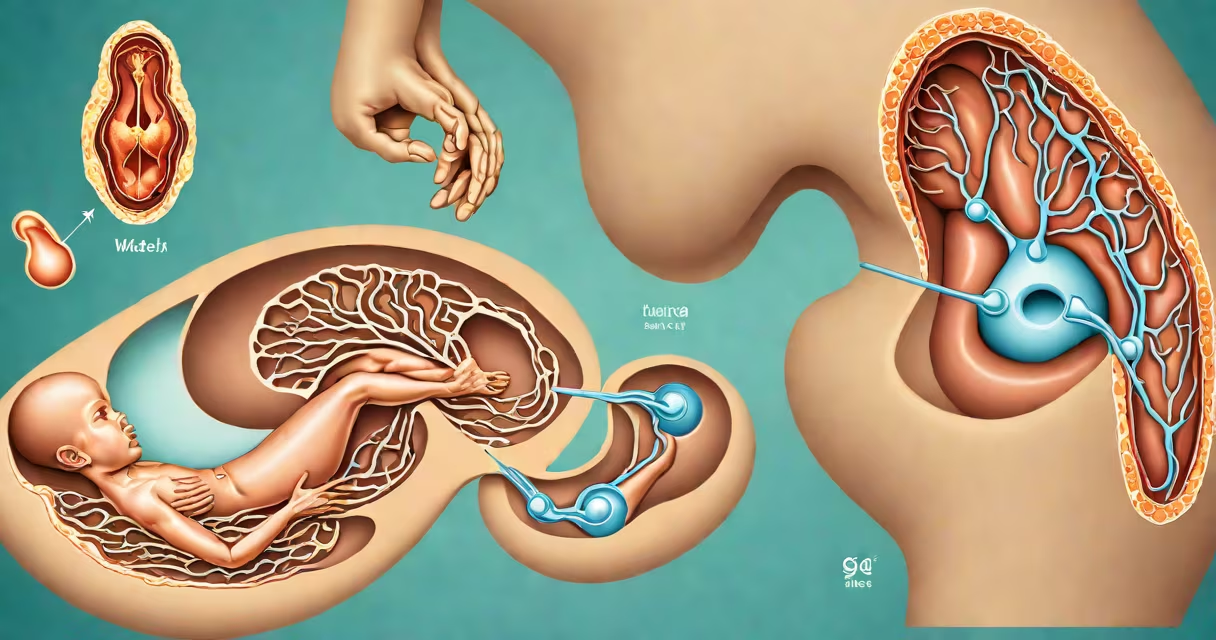
At 7 weeks of pregnancy, mild cramping and light spotting are common and often result from normal hormonal changes or implantation. These symptoms affect up to 25% of early pregnancies and typically resolve without intervention. However, they can also signal complications such as ectopic pregnancy or miscarriage, requiring prompt medical evaluation.
Cramping at 7 weeks usually feels like menstrual pain-dull, intermittent, and localized in the lower abdomen. Spotting appears as light pink or brown discharge, not heavy flow. This differs from menstrual bleeding, which is heavier and lasts longer. The American College of Obstetricians and Gynecologists (ACOG) notes that spotting during the first trimester occurs in approximately 20-30% of pregnancies, most often due to cervical irritation or hormonal fluctuations.
Implantation, which occurs around 6-10 days after conception, can cause slight cramping and spotting. The embryo attaches to the uterine lining, triggering minor blood vessel rupture. This process typically ends by week 7. A 2021 study in Reproductive Biology and Endocrinology found that 17% of women reporting early spotting had viable pregnancies at 12 weeks, indicating that spotting alone doesn't predict outcome.
Hormonal shifts are the most frequent cause. Progesterone levels rise sharply in early pregnancy to support the uterine lining. Fluctuations can trigger mild uterine contractions and spotting. Cervical changes also contribute-increased blood flow to the cervix makes it more sensitive, leading to spotting after intercourse or a pelvic exam.
Implantation bleeding accounts for about 10-15% of early spotting cases. It typically happens 6-10 days after ovulation, aligning with the 7-week mark. The blood is usually light red or brown, lasts less than 24 hours, and stops without treatment. In contrast, menstrual bleeding is heavier and persists for several days.
Other benign causes include constipation, which increases abdominal pressure, and physical activity. A 2020 survey of 1,200 pregnant women in the UK found that 12% reported spotting after exercise, though none experienced adverse outcomes when monitored.
Ectopic pregnancy occurs when the embryo implants outside the uterus, most commonly in a fallopian tube. Symptoms include sharp, one-sided lower abdominal pain, dizziness, and vaginal bleeding. It affects 1-2% of pregnancies and is life-threatening if untreated. Early diagnosis via transvaginal ultrasound and serial beta-hCG tests is critical. ACOG recommends immediate evaluation for any woman with abdominal pain and spotting after a positive pregnancy test.
Miscarriage risk peaks in the first trimester. Between 10-20% of known pregnancies end in miscarriage, with most occurring before 12 weeks. Heavy bleeding, clots, and severe cramping are warning signs. A 2019 study in The Lancet showed that women with spotting and cramping at 7 weeks had a 15% miscarriage rate, compared to 3% in those without symptoms.
Placental issues like placenta previa are rare at 7 weeks but possible. The placenta partially covers the cervix, causing painless bleeding. This condition usually resolves by 20 weeks, but monitoring is essential. Ultrasound confirms location.
Seek immediate attention if spotting becomes heavy (soaking a pad in under an hour), is bright red, or is accompanied by severe pain, fever, or dizziness. These signs suggest hemorrhage, infection, or ectopic pregnancy.
Monitor symptoms closely. Light spotting with mild cramping lasting less than 24 hours and resolving on its own is generally not concerning. However, persistent or worsening symptoms require evaluation. A healthcare provider may perform a transvaginal ultrasound and measure beta-hCG levels to assess viability.
One patient I evaluated at a clinic reported spotting and cramping at 7 weeks. Beta-hCG levels doubled in 48 hours, and ultrasound confirmed a gestational sac with fetal heartbeat. She continued with routine prenatal care and delivered a healthy baby at term. This case illustrates that not all spotting indicates loss.
Spotting at 7 weeks is often confused with early menstrual bleeding. Menstrual blood is typically brighter red, heavier, and lasts 3-7 days. Pregnancy-related spotting is lighter, shorter, and may appear only once. A home pregnancy test can clarify timing, but confirmation requires clinical testing.
Cramping at 7 weeks differs from labor contractions. Labor pains are regular, rhythmic, and intensify over time. Early pregnancy cramps are irregular, brief, and subside with rest or position change.
A comparison table clarifies differences:
| Feature | Normal 7 Weeks Cramping & Spotting | Possible Complication |
|---|---|---|
| Spotting color | Brown or light pink | Bright red, clot-like |
| Duration | Less than 24 hours | Continuous or worsening |
| Pain pattern | Intermittent, mild | Constant, sharp, one-sided |
| Associated symptoms | None | Fever, dizziness, nausea |
One non-obvious distinction: spotting from cervical polyps or infections may mimic early pregnancy bleeding. A pelvic exam can identify these. ACOG states that 3% of early pregnancy bleeding stems from cervical pathology, not pregnancy itself.
For mild, isolated spotting with no pain, rest and avoid intercourse until cleared by a provider. Stay hydrated and monitor symptoms. Avoid NSAIDs like ibuprofen, which may increase bleeding risk.
If symptoms persist beyond 48 hours, consult a provider. They may recommend a follow-up ultrasound or blood work. Most women with low-risk spotting go on to have healthy pregnancies.
Some women report spotting at 6 weeks with cramps, which may progress to 7 weeks. Spotting at 6 weeks with cramps often resolves similarly. Monitoring patterns helps distinguish normal from abnormal.
Understanding 7 weeks cramping and spotting begins with recognizing normal variation. While many cases are harmless, persistent or worsening signs demand evaluation. Early care reduces risk and supports a healthy pregnancy.