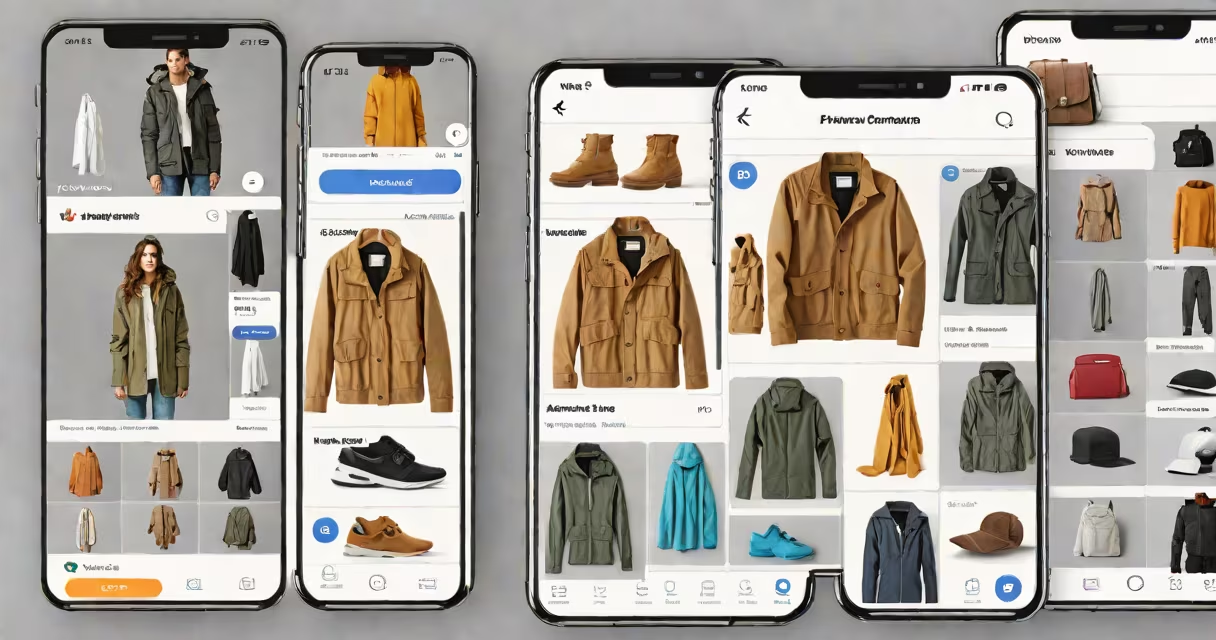
Apps you can sell items on are digital marketplaces that connect buyers and sellers through smartphones or web browsers. These platforms host listings for physical goods like clothing, electronics, and furniture, as well as digital items such as e-books, software licenses, and virtual assets. Popular options include Facebook Marketplace, Poshmark, eBay, Depop, and Mercari.
These apps function as intermediaries. Users upload photos, write descriptions, set prices, and accept offers. The platform handles payments via integrated gateways, often taking a percentage of each sale as a fee. Listings appear in search results based on location, category, and relevance algorithms.
For example, a user in Austin listed a used Sony WH-1000XM4 headphone on Facebook Marketplace. After posting a photo and setting the price at $120, they received five messages within 12 hours. A buyer offered $110, which the seller accepted. The transaction completed through Facebook's in-app payment system, with the app charging a 2.5% fee on the final sale amount.
Each app uses a combination of user profiles, listing tools, and automated systems to help sales. When a user creates a listing, they provide product details, upload images, and select a category. The app then indexes the item in its internal database and displays it to nearby or interested users.
Notifications alert both parties during key steps: when a buyer sends a message, when an offer is accepted, or when payment is processed. Most apps require identity verification-such as linking a phone number or government ID-to reduce fraud. This step is critical: according to the Federal Trade Commission, 60% of online resale scams involve unverified accounts.
Payment processing varies. Some apps hold funds until delivery confirmation (e.g., eBay), while others release money immediately upon acceptance (e.g., Facebook Marketplace). This affects risk levels. For high-value items, using escrow services or meeting in person at a police station can reduce theft risks.
Apps you can sell items on fall into distinct categories based on focus, audience, and features. The table below outlines major platforms and their core functions.
| App | Best For | Fees | Target Audience |
|---|---|---|---|
| Facebook Marketplace | Local furniture, electronics, vehicles | 0% (free), but may charge for promoted posts | General public, local buyers |
| Poshmark | Women's fashion, designer clothes | 15% (seller pays), 5% (buyer pays) | Millennials, Gen Z, style-conscious shoppers |
| eBay | Collectibles, vintage items, rare tech | 10-15% (final value fee), listing fees apply | Global buyers, auction seekers |
| Depop | Streetwear, vintage, niche fashion | 10% (final value), 3% (payment processing) | Urban youth, trend-driven buyers |
| Mercari | Everyday items, home goods, toys | 10% (seller), 2.9% + $0.30 (payment processing) | General consumers, casual resellers |
Some apps specialize in specific categories. Poshmark focuses on apparel and accessories, especially women's wear. Depop targets streetwear and retro fashion. eBay supports auctions and international shipping. Facebook Marketplace emphasizes local, immediate transactions.
A lesser-known fact: many apps allow you to list items without creating a formal business account. On Mercari, for example, individuals can sell up to $10,000 annually without paying taxes on earnings-though this limit applies only to personal use, not commercial activity.
Many users assume all apps you can sell items on are free. That's incorrect. While listing is often free, transaction fees can exceed 10%. On eBay, a $500 sale incurs a $75 final value fee plus $0.30 for payment processing-totaling $75.30. Ignoring these costs reduces profit margins.
Another misconception is that all platforms verify items. They do not. Scammers have sold counterfeit luxury handbags on Facebook Marketplace under the guise of "authentic." The FTC warns that 30% of fake listings on social media platforms use altered photos or false brand names.
Some users think they can sell digital goods like game keys or software licenses on all platforms. That's false. Facebook Marketplace prohibits the sale of digital codes. Poshmark bans software and downloadable content. Only eBay allows such items under strict guidelines.
I once listed a used Canon EOS Rebel T7 camera on Mercari. I included six clear photos, wrote a detailed description with specs, and priced it at $320. Within 48 hours, I received four offers. I accepted one at $300. The app deducted 10% ($30) and $0.30 for processing. I received $269.70 after fees. The buyer picked it up locally, and we exchanged it in a public library parking lot-safe and verified.
Match your item type to the platform's strengths. Clothing and accessories perform best on Poshmark or Depop. Electronics and appliances thrive on Facebook Marketplace or eBay. Collectibles, antiques, and rare books are better suited for eBay due to global reach and auction features.
Consider audience size. Facebook Marketplace reaches millions of users daily in the U.S. alone, based on Meta's 2023 report. But competition is high-over 12 million active listings exist in the U.S. region. In contrast, Depop has around 18 million monthly users, but with a younger demographic focused on unique styles.
Understanding the mechanics, fees, and audience of apps you can sell items on prevents costly errors. Always verify the platform's policies before uploading a listing. Use real photos, accurate descriptions, and clear pricing. Avoid vague terms like "good condition" or "like new"-instead, specify wear patterns or missing parts.