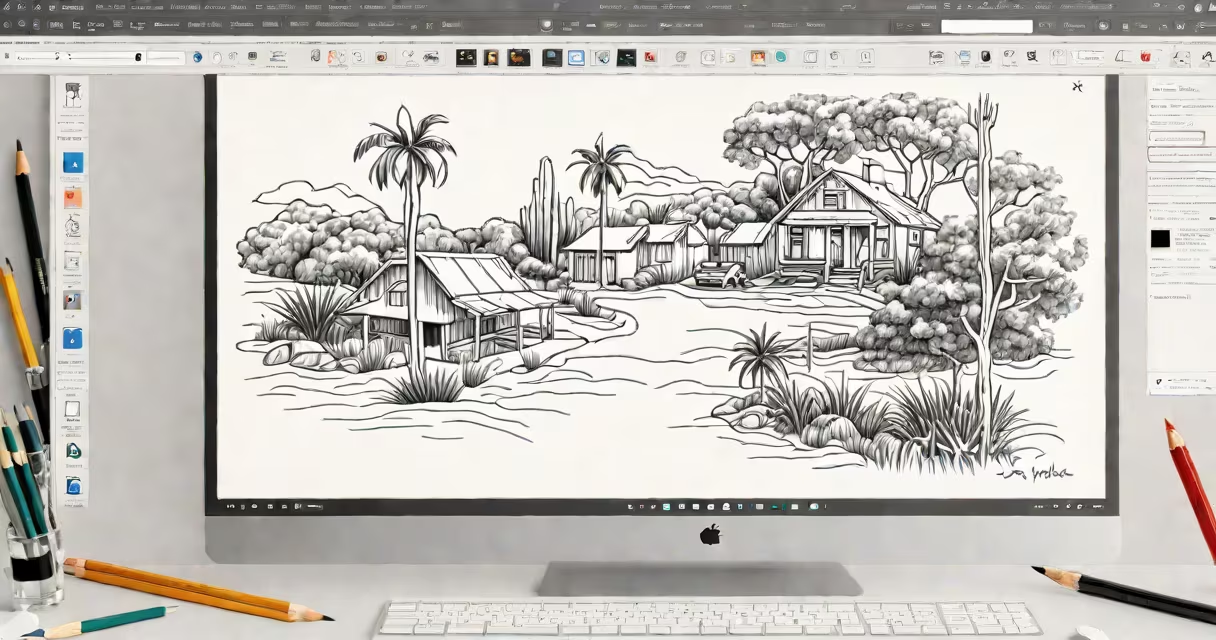
Adobe Stock is a curated marketplace for royalty-free visual content including photos, videos, illustrations, templates, and 3D assets. Users license these materials for commercial and personal projects without paying ongoing fees per use.
Content on Adobe Stock is sourced from professional photographers, videographers, artists, and contributors worldwide. All assets are vetted for quality and compliance with copyright standards. Subscribers gain access to millions of high-resolution files through integrated tools in Adobe Creative Cloud applications like Photoshop, Illustrator, and Premiere Pro.
Adobe Stock is used to create marketing materials, website designs, social media posts, presentations, video productions, and print layouts. It supports workflows across industries such as advertising, publishing, e-commerce, education, and web development.
When you search for an asset on Adobe Stock, the system returns results based on keywords, visual similarity, and metadata. You can preview the file, check licensing details, and download it directly into your Adobe application via the Creative Cloud Libraries panel.
Licensing is straightforward: you pay a flat fee or use included credits from a subscription plan. Once purchased, you may use the asset across multiple projects without additional charges-provided you follow the usage terms.
For example, a graphic designer creating a brochure for a tech startup uses Adobe Stock to find a high-res image of a futuristic city skyline. After downloading the file into Photoshop, they integrate it into the layout. The same image can later appear in a company website banner and a LinkedIn ad without extra cost.
Adobe Stock offers several categories of content tailored to different creative needs:
| Type | Common Uses | Example |
|---|---|---|
| Photos | Website headers, social media graphics, product packaging | A lifestyle photo of a woman working remotely on a laptop in a café |
| Videos | YouTube intros, corporate training modules, promotional reels | A 10-second clip of a drone flying over a mountain range at sunrise |
| Illustrations | Infographics, app icons, branding elements | A minimalist vector illustration of a smartphone with animated app icons |
| Templates | Presentation decks, resume formats, social media story frames | A PowerPoint template with a modern blue theme and animated transitions |
| 3D Models | Product visualization, game design, architectural renderings | A photorealistic 3D model of a luxury car with adjustable lighting angles |
Each asset includes metadata such as resolution, aspect ratio, color profile, and usage rights. Contributors must adhere to Adobe's strict quality guidelines, which include minimum resolution requirements (e.g., 1920x1080 for videos) and adherence to ethical sourcing standards.
Adobe Stock is widely adopted by agencies, freelancers, small businesses, and enterprise teams. Its integration with Adobe Creative Cloud streamlines access-users don't leave their workflow to search or download content.
For instance, a freelance marketer building a campaign for a fitness brand uses Adobe Stock to source a video of people exercising in a gym. They import the clip into Premiere Pro, sync it with music, and export a 60-second ad. The entire process takes under 15 minutes, and the final product meets client branding guidelines.
According to Adobe's 2023 Creative Economy Report, 68% of creative professionals using Adobe tools reported faster project turnaround times when relying on Adobe Stock instead of custom shoots or third-party sources. This efficiency stems from consistent quality, fast search algorithms, and direct integration with editing software.
Many assume Adobe Stock provides free content. It does not. All assets require a paid license or credit purchase. Free alternatives exist-such as Unsplash or Pexels-but those platforms lack the editorial oversight and advanced filtering available on Adobe Stock.
Another misconception is that assets can be resold. They cannot. You may use licensed content in your work, but redistributing the original file (e.g., selling it as a standalone image pack) violates the Terms of Use. The license grants usage rights, not ownership.
A lesser-known fact: Adobe Stock contributors earn revenue based on performance. Files that are downloaded frequently receive higher payouts. This creates a feedback loop where high-quality, relevant content gets more exposure and generates better returns for creators.
I once designed a series of Instagram story templates for a travel influencer. Using Adobe Stock, I found a set of high-resolution images showing sunsets over tropical beaches. I combined them with branded overlays and animated text using After Effects. The client launched the campaign across 12 stories and saw a 27% increase in engagement compared to previous months.
The ability to quickly source visuals that match a specific mood or aesthetic saved me nearly six hours of research and production time. Without Adobe Stock, I'd have had to commission photos or spend hours searching unverified sites.
Adobe Stock is not just a repository-it's a functional tool within a larger creative infrastructure. Its value lies in reliability, speed, and consistency across projects and teams.